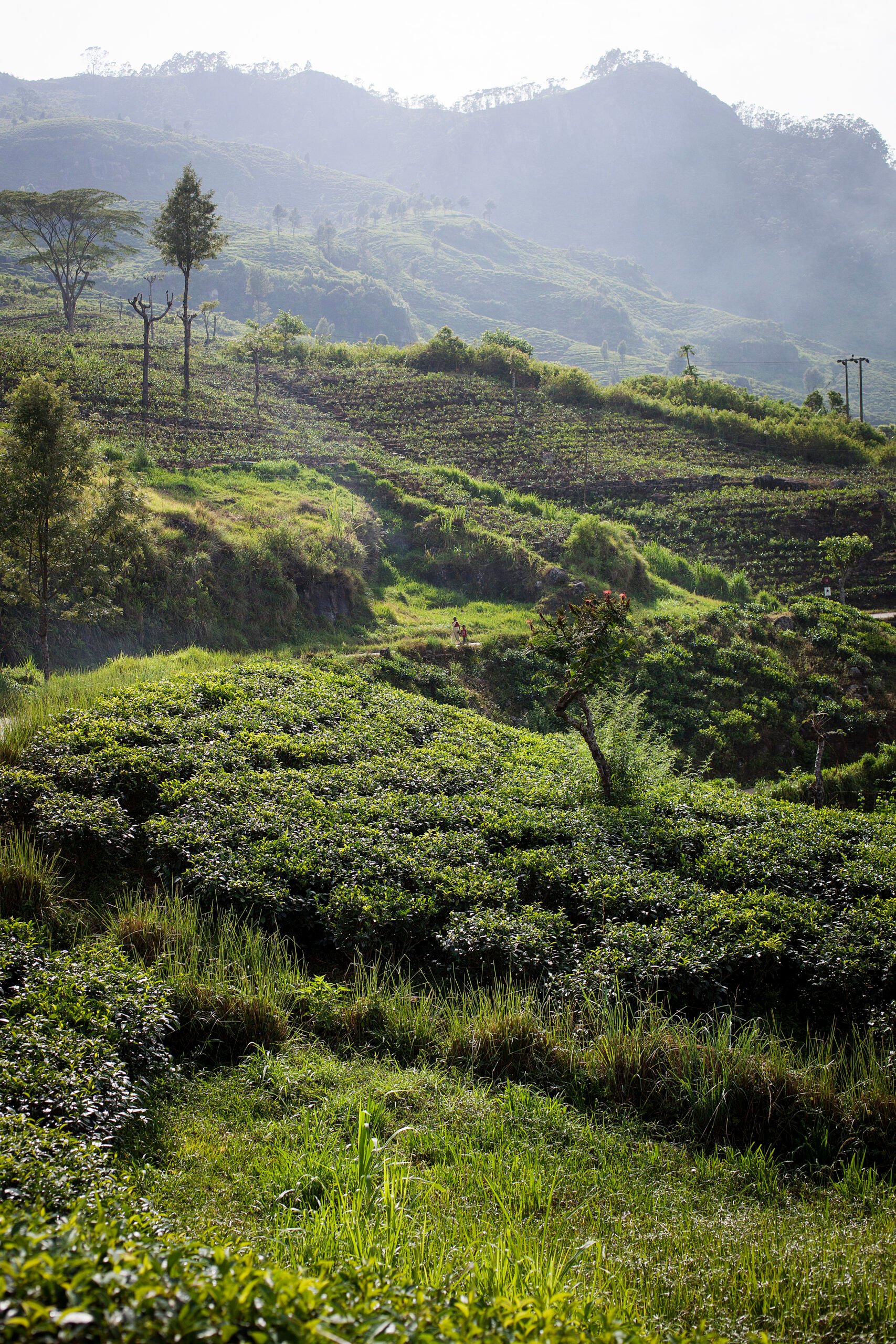
Sri Lanka

As one of the country’s largest employers, the tea industry plays a vital role in the Sri Lankan economy.

Sri Lanka’s tea industry is a major foreign exchange earner, sustaining millions of livelihoods through both estates and smallholder farms.

Tea is central to Sri Lanka’s economy, generating about USD 1.4 billion annually and contributing 10–13% of total export earnings. The sector accounts for roughly 2% of the national economy and supports over one million people. Smallholder farmers produce more than 70% of the country’s tea, much of it exported globally under the renowned Ceylon Tea brand.

Tea is both an economic driver and a symbol of national identity. Despite ongoing challenges, the industry remains essential for foreign exchange, community development, and sustaining Sri Lanka’s global reputation.

Regional priorities

ETP’s priorities in Sri Lanka focus on improving livelihoods, dignity, and sustainability in tea communities by:

  • Empowering leaders from tea communities to strengthen voice and representation.
  • Tackling poverty and malnutrition through community-based solutions.
  • Raising awareness on healthcare and education.
  • Supporting climate-smart agriculture to reduce risks from climate change.
  • Promoting social equity and environmental sustainability across estates.

Facts & figures

  • Sri Lanka’s economy is showing signs of recovery after the 2019–2023 crisis, which was marked by severe foreign exchange shortages, high inflation, and political instability, with growth now driven partly by the resurgence of tourism.
  • Inflation has now eased, and the Sri Lankan Rupee has appreciated.
  • However, emigration continues to rise as many Sri Lankans seek employment abroad.

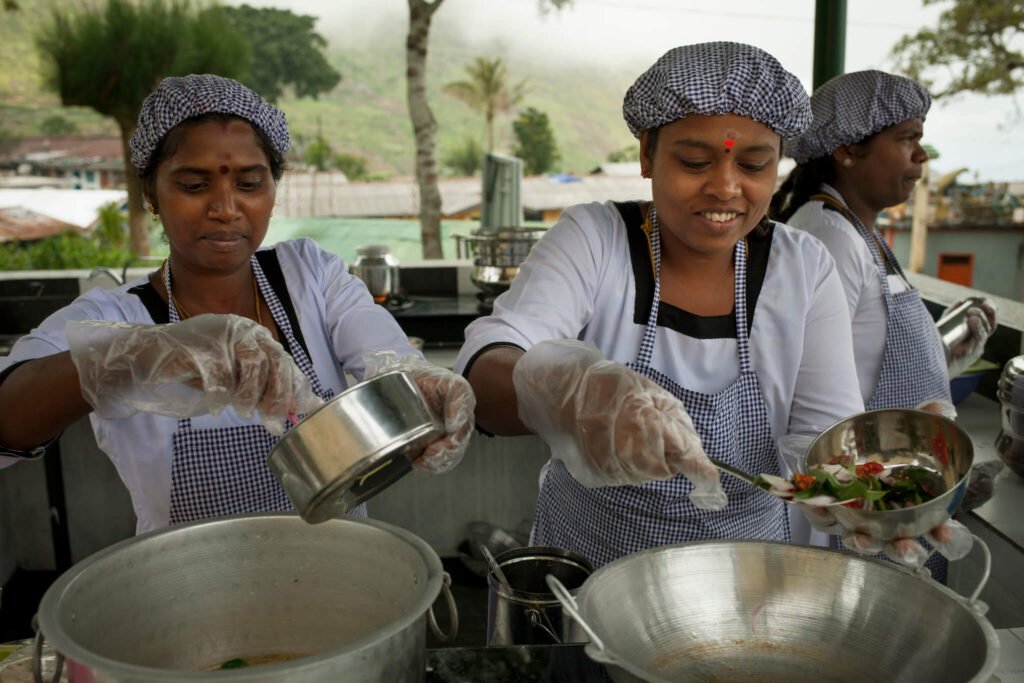
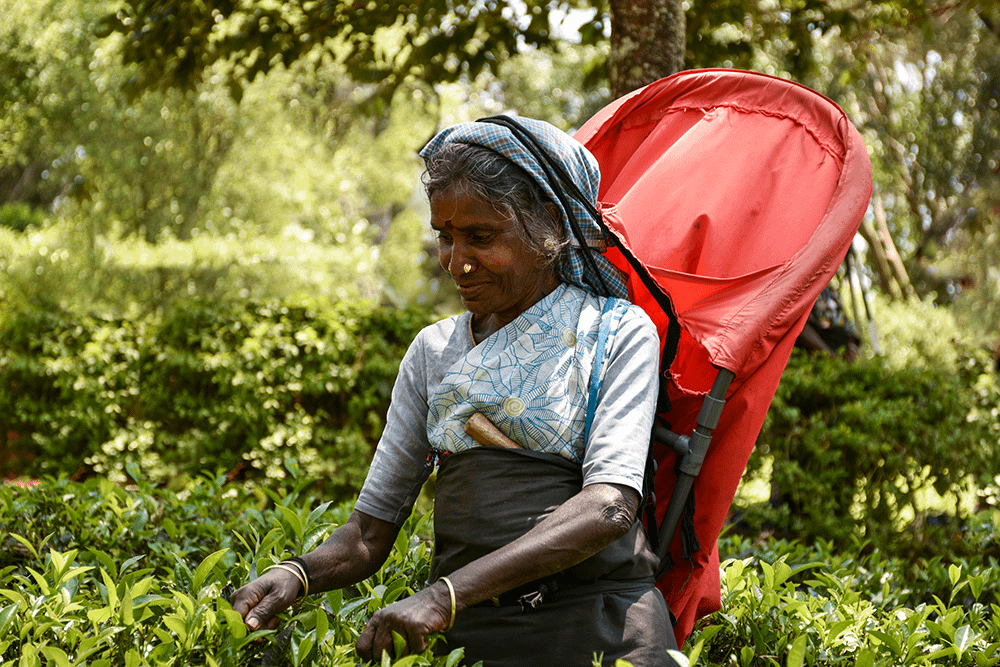
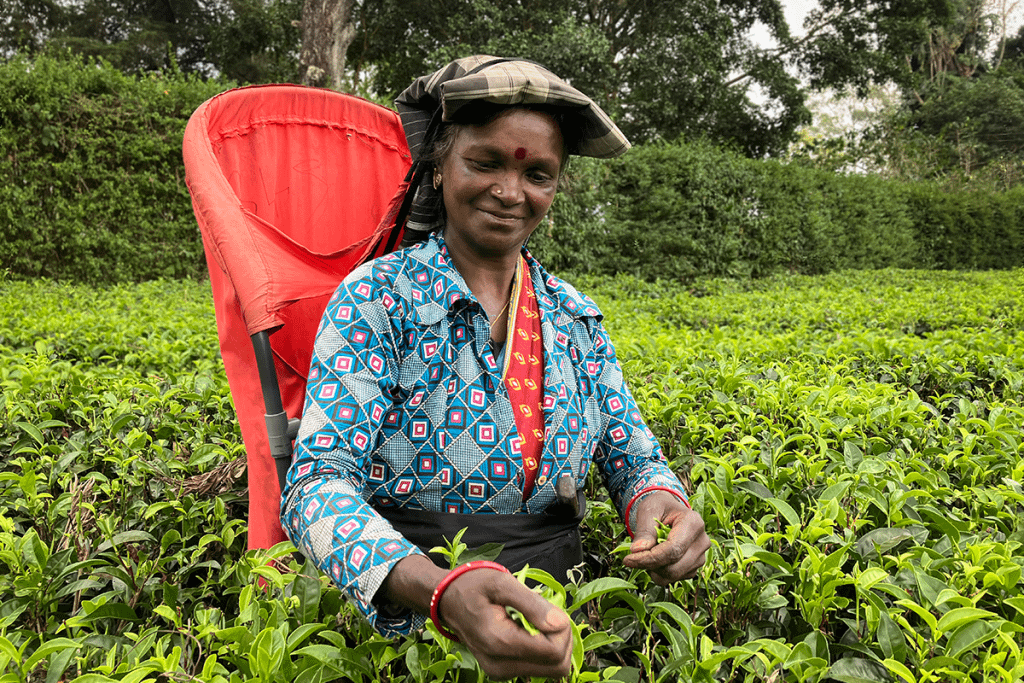
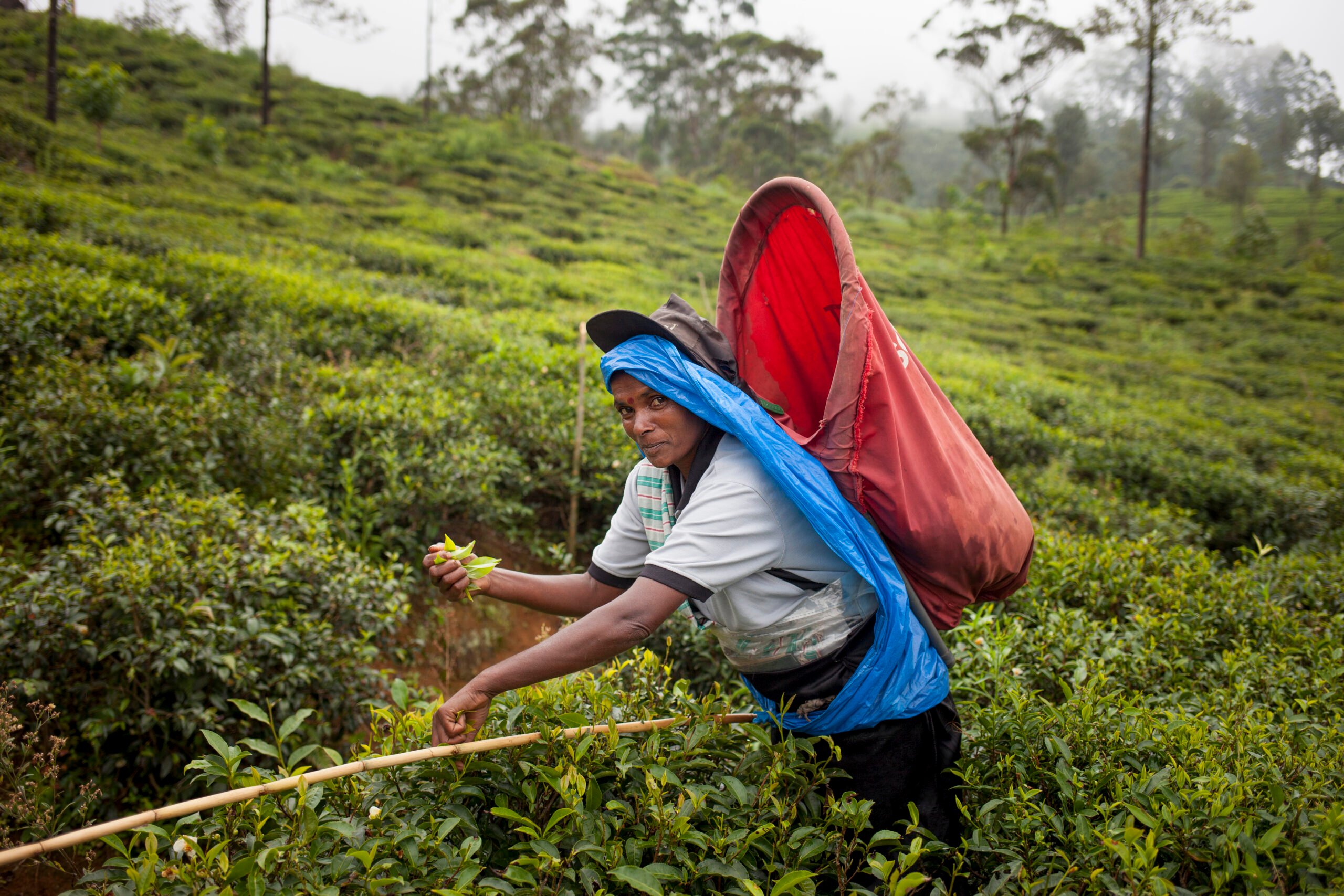
  • Women make up around 65% of the plantation workforce.
  • Despite their key role, they face discrimination and have limited access to healthcare, education, and government services.

The tea industry faces serious environmental challenges, including soil erosion, deforestation, chemical pollution, water stress, and temperature fluctuations linked to climate change.