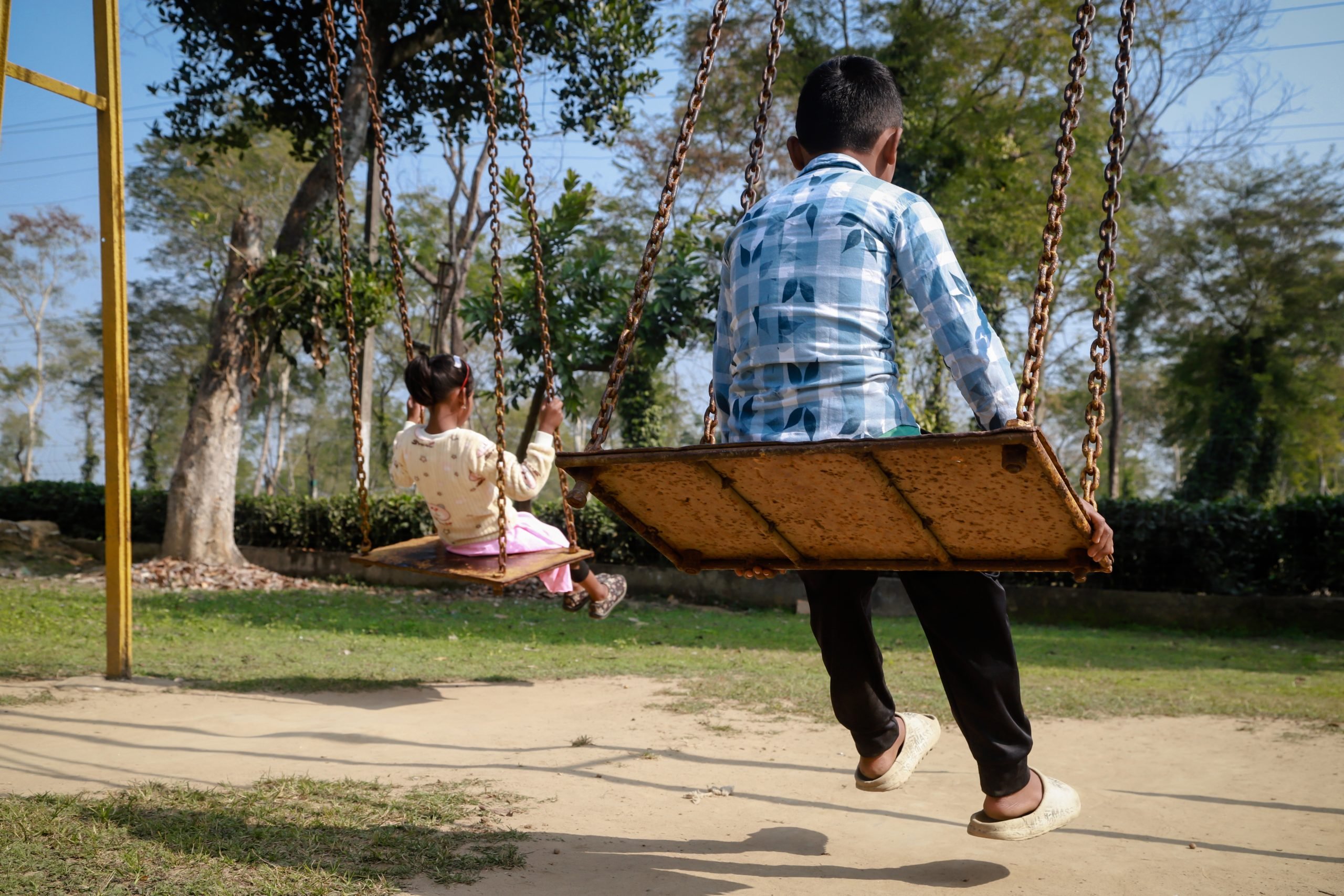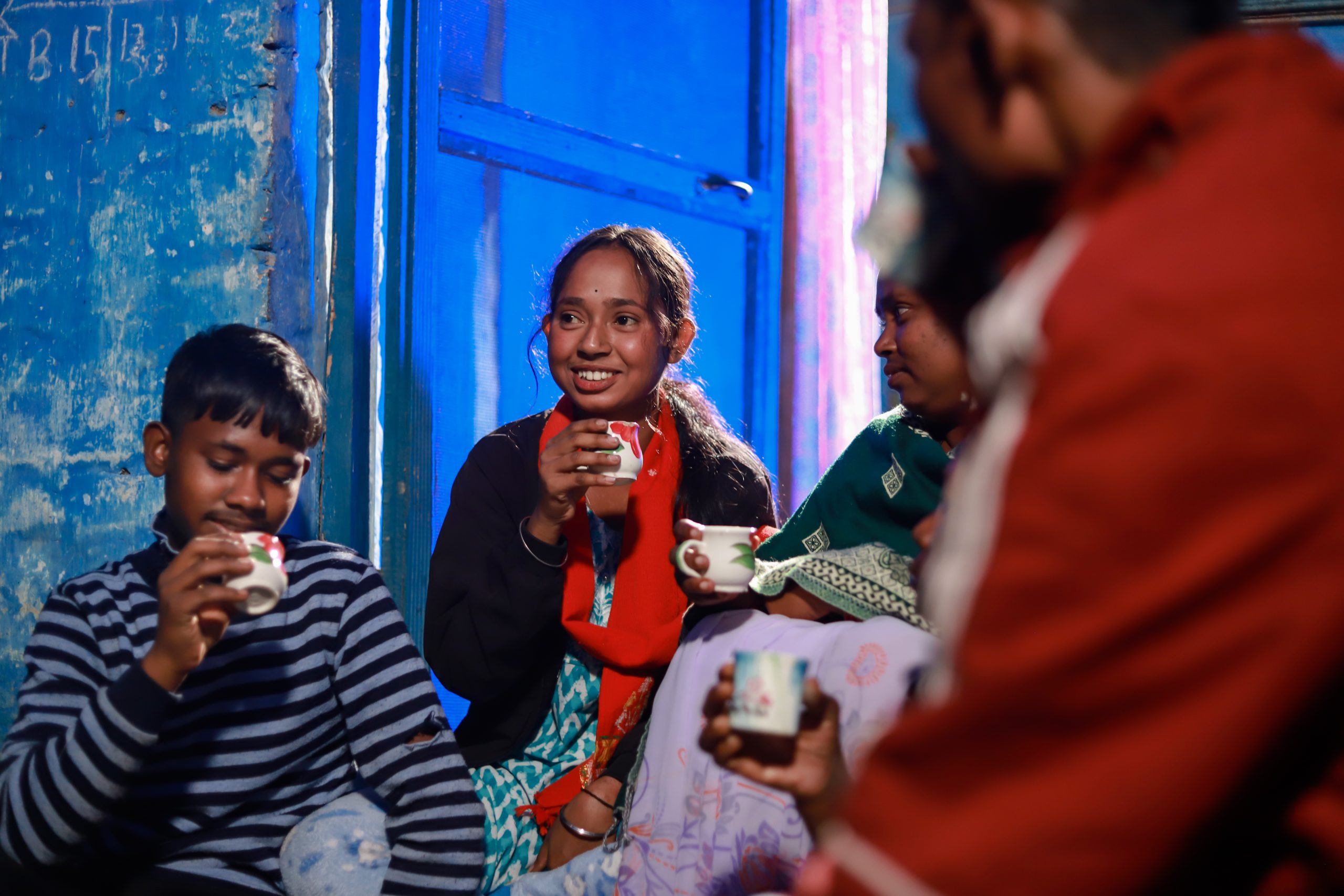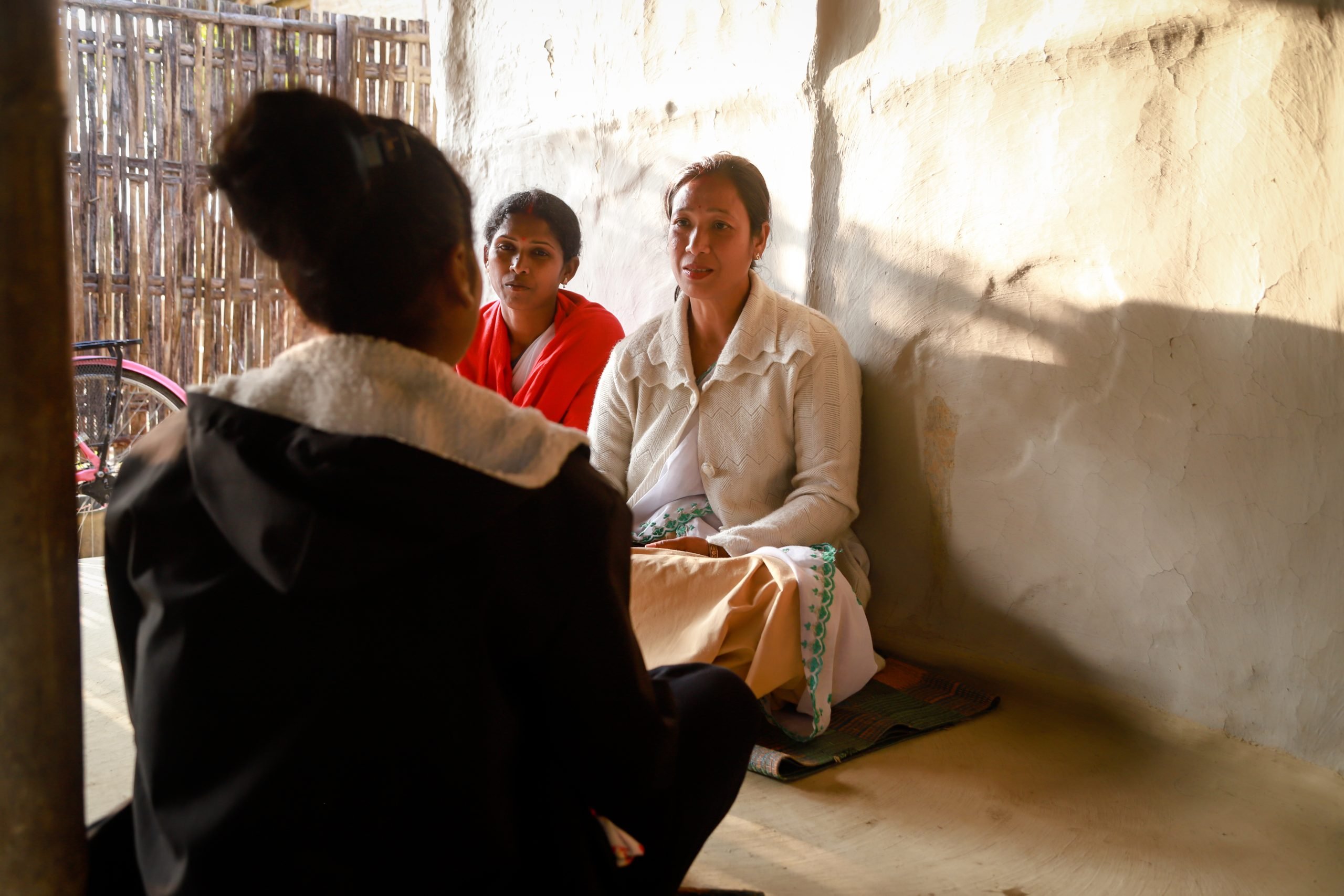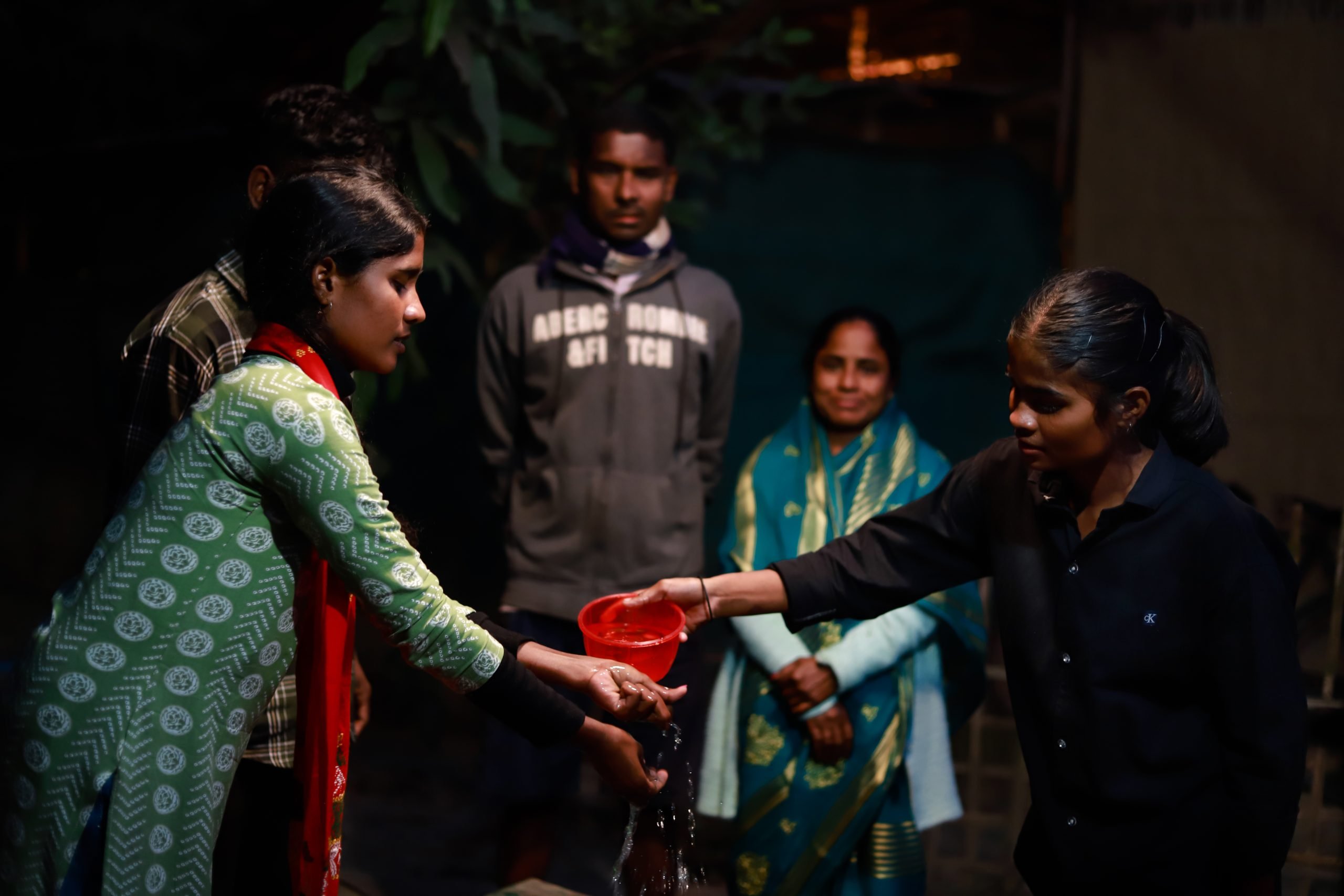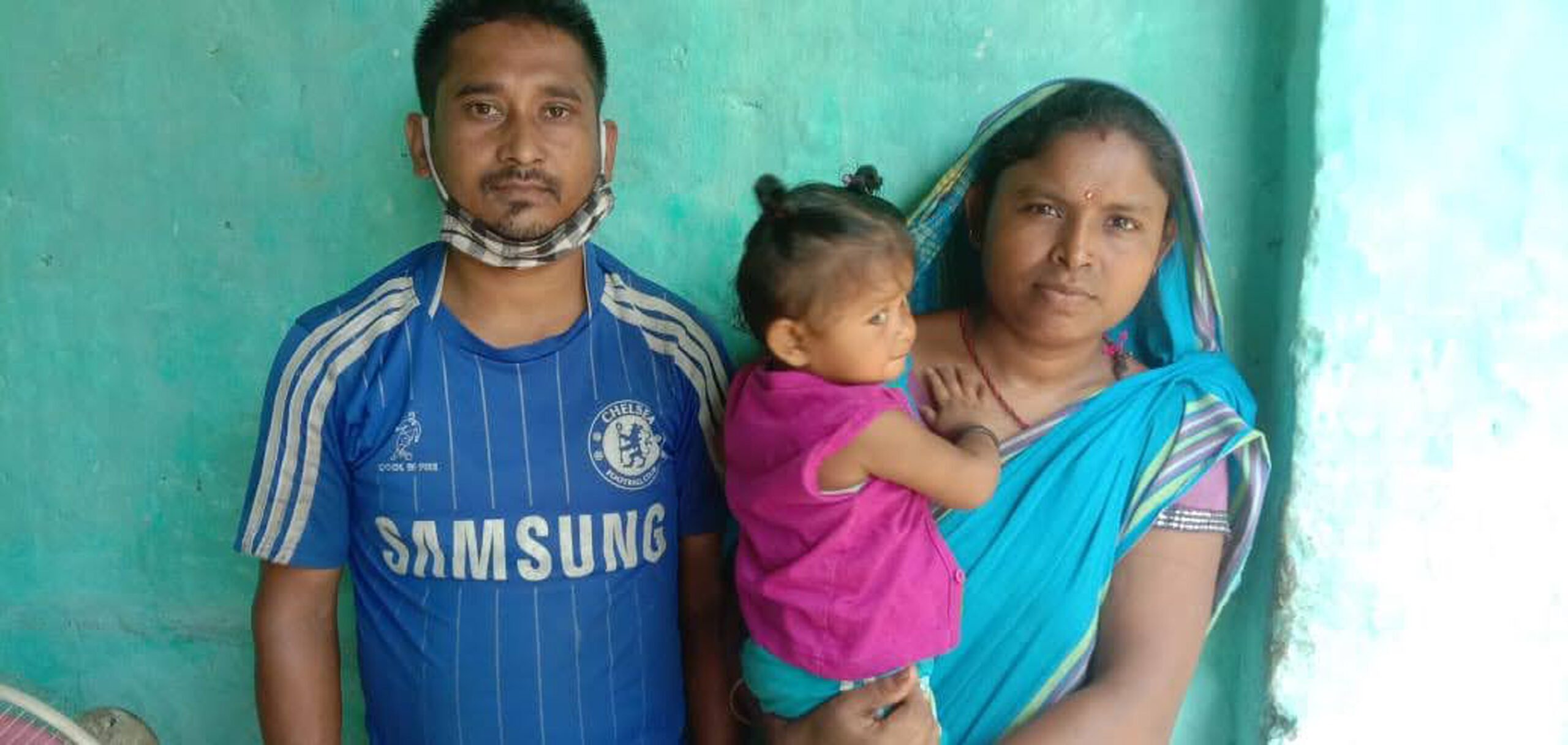
Gender inequality remains a persistent challenge in many tea estates across Assam, India. To address these pressing challenges, ETP and UNICEF have collaborated through the Improving Lives programme to address these issues with community-led interventions. The programme addresses daily challenges faced by children, women, and families working in the tea estates. It is a step towards systemic change, creating a safer, more equitable environment for those who live and work in tea estates.
The programme has developed innovative ways to engage with boys from an early age such as the positive masculinity initiative, which aims to educate them to these issues, so they can create a safer environment for their peers.
Mrinal’s journey towards positive change
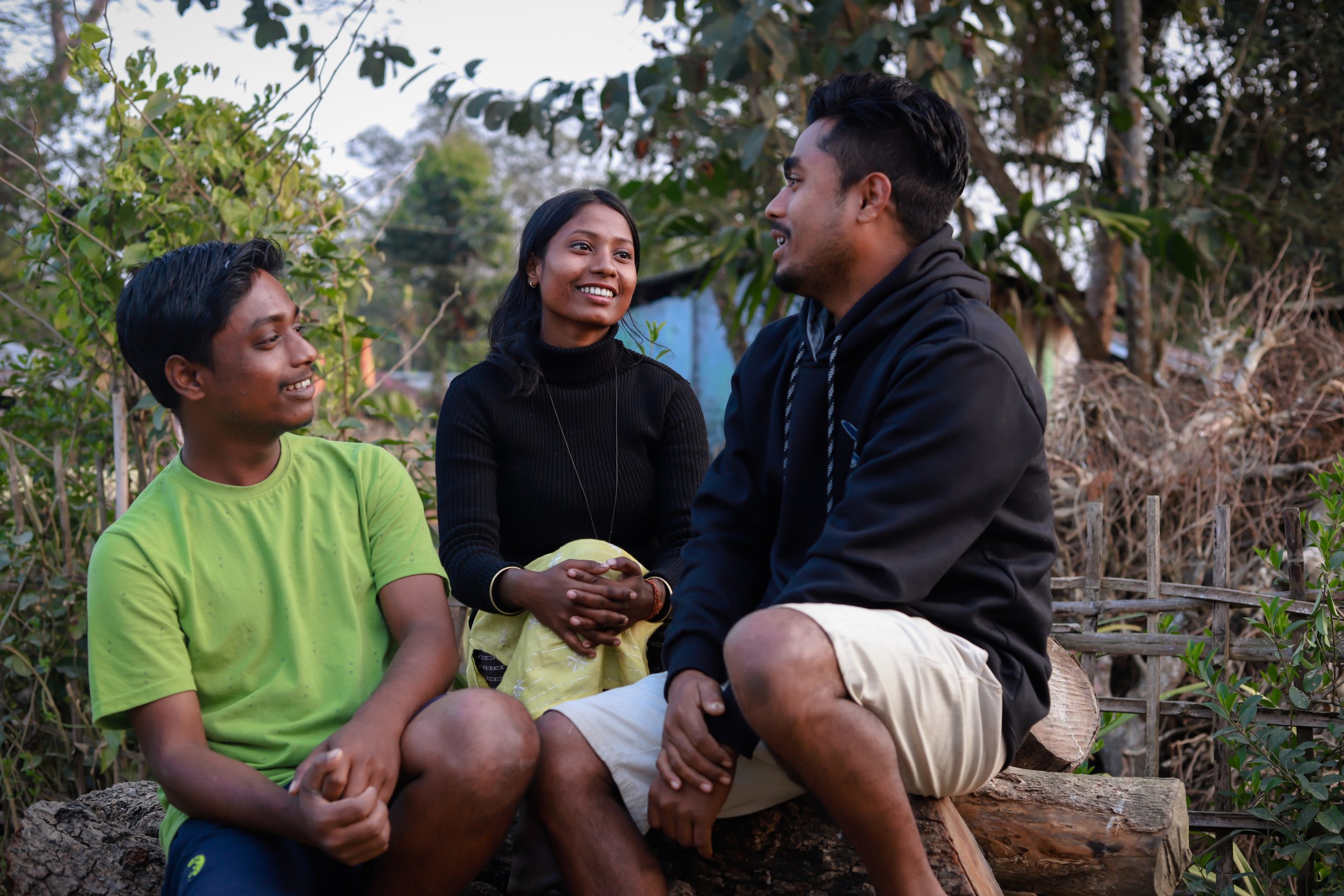
Mrinal Nayak, a 21-year-old resident of Kenduguri Tea Estate, is currently pursuing a bachelor’s degree in economics. Living with his mother, brother, and sister, Mrinal’s life took a significant turn when he became involved with the Adolescent Groups (AGs) as part of the UNICEF and ETP’s Improving Lives programme.
Mrinal first came across the AGs in 2017, when he was 14 years old. He had accompanied his sister to a meeting, where he observed from the sidelines and became intrigued by the discussions about building a better future for children.
“During those meetings, I used to sit in the corner and watch the activities they were doing in the girls’ club. That’s when I began to realise how much I could learn,” Mrinal recalls.
Inspired by what he had observed, Mrinal decided to take action. He took the initiative to create an Adolescent Boys’ Group (ABG) in his estate.
“We formed the first ABG of our estate in 2017 with the help of the tea estate manager and coordinator,” he explains.
The role of the ABG
The ABG meets weekly, where members discuss social issues affecting their communities. Topics include child marriage, child labour, gender equality, sexual harassment, and positive masculinity. These discussions are designed to educate and inspire the boys, encouraging them to become proactive in addressing these issues.
One significant change of these sessions has been the shift in attitudes towards harmful practices.
“We learned how to change our mindset for a better future. For example, boys used to consume gutkha1, a type of chewing tobacco that poses serious health risks. But through the sessions, we understood the importance of health, and many decided to give it up to focus on their education,” Mrinal says.
The group fosters conversations and collaborative activities about equality and encourages adolescents to rethink traditional norms to address the discrimination between boys and girls.
“With the facilitators in the ABG, we talk a lot about our behaviours as men and the impact they have. The facilitators help us understand how to change and how to communicate with others to address issues in the tea estates,” Mrinal explains.
Impact of the ABG
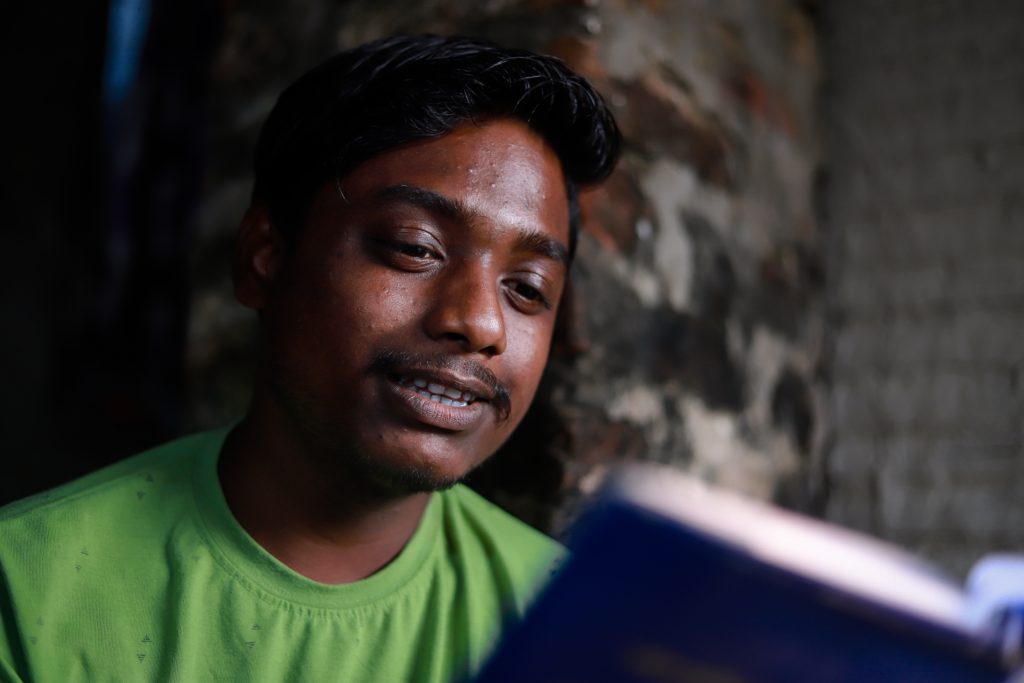
Mrinal has become proactive in addressing inappropriate behaviours among his peers and promoting respectful attitudes, contributing to efforts aimed at reducing gender-based violence in his community. In addition to being a forum for discussion, the ABG has become a safe space where boys can seek support and report issues.
“We often see that the boys tease, verbally abuse or make fun of girls and we tell them that this isn’t normal. We bring them with us to the ABG’s sessions so they can get informed and change their behaviours,” Mrinal shares.
The lessons Mrinal has learned through the ABG have also influenced his behaviour at home.
“I’m applying what I have learnt by helping my parents and my elder sister. Before, when I was asked to do a household chore, I used to refuse and got into arguments with the parents. Now, I understand why I need to support my family and the impact of my words.”
Mrinal’s mother, Sadori, has observed changes within Mrinal and his brother’s behaviours.
“They have learnt a lot from the club and help me with household chores, which relieves me. I find it funny to see two of my sons fighting to do household chores,” she said.
This personal transformation in Mrinal and his family is just one example of the positive ripple effect the Adolescent Groups have had across the community.
“The AGs are a very good concept for our community. I have seen how education is improving for children, so their fate is changing. Since the creation of these clubs, people better understand the importance of positive masculinity,” she added.
Impact of the programme
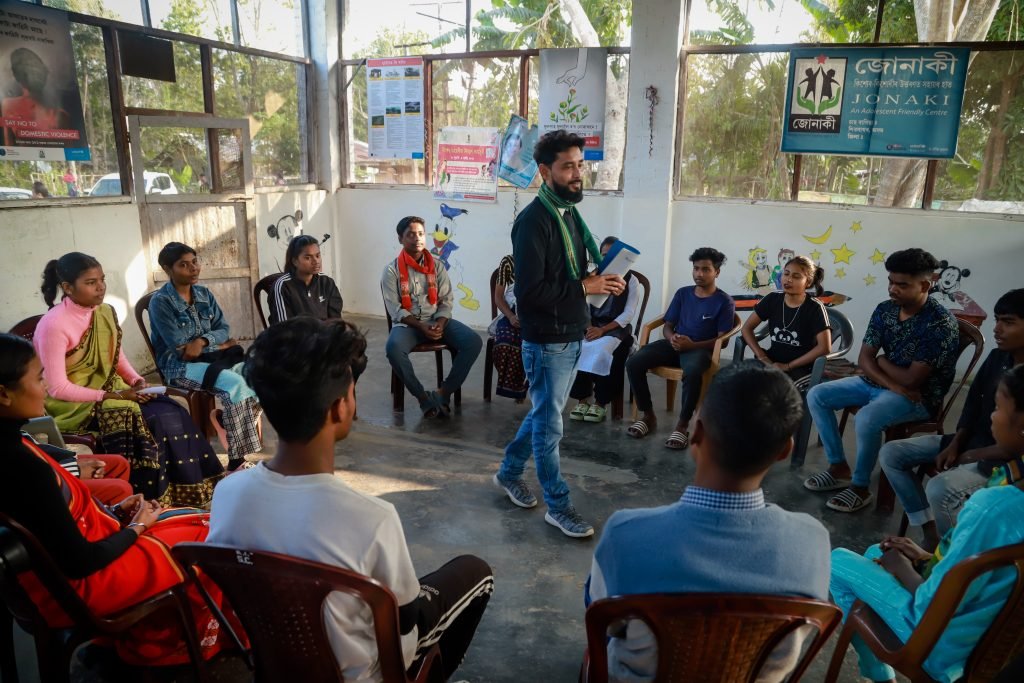
The Improving Lives programme, now in its third phase, holds meetings across various tea estates to address issues like gender inequality and promote positive masculinity. These initiatives include the strengthening of Adolescent Groups through weekly meetings and the provision of Positive Masculinity and Life Skills training for Boys’ Groups.
Through these efforts, over 4,000 adolescents were involved across 362 girls’ groups and 156 boys’ groups were formed, totalling more than 5,800 members. These groups reached over 25,000 adolescents with positive behaviour change messages, focusing notably on gender equality and the impact of positive masculinity.
Reflecting on his experience, Mrinal emphasizes the importance of transformation at both the individual and community levels.
“We have to transform ourselves and inspire others to do the same. Only then, can we progress as a community, and as a country overall,” concluded Mrinal.
Appendix
Adolescent Group (AG) – These groups bring adolescents (girls and boys) of the families living on the tea estates together (many of which have grown up in the estates), with the aim of building a collective awareness on issues that affect children and adolescents, whilst providing a platform for them to share their voices and concerns.
The groups meet periodically, and guided discussions are held to build awareness and encourage positive behavior change, while building more skills for communication and leadership. The participants become peer influencers and help to disseminate messages to the wider community as well as other adolescents.
Adolescent Boys’ Group (ABG) – These are boys-only groups formed to focus on discussions around positive masculinity, gender equality and gender violence. These are also driven by guided discussions and the participants become carriers of messages to their peers and fellow school goers.
Find out more