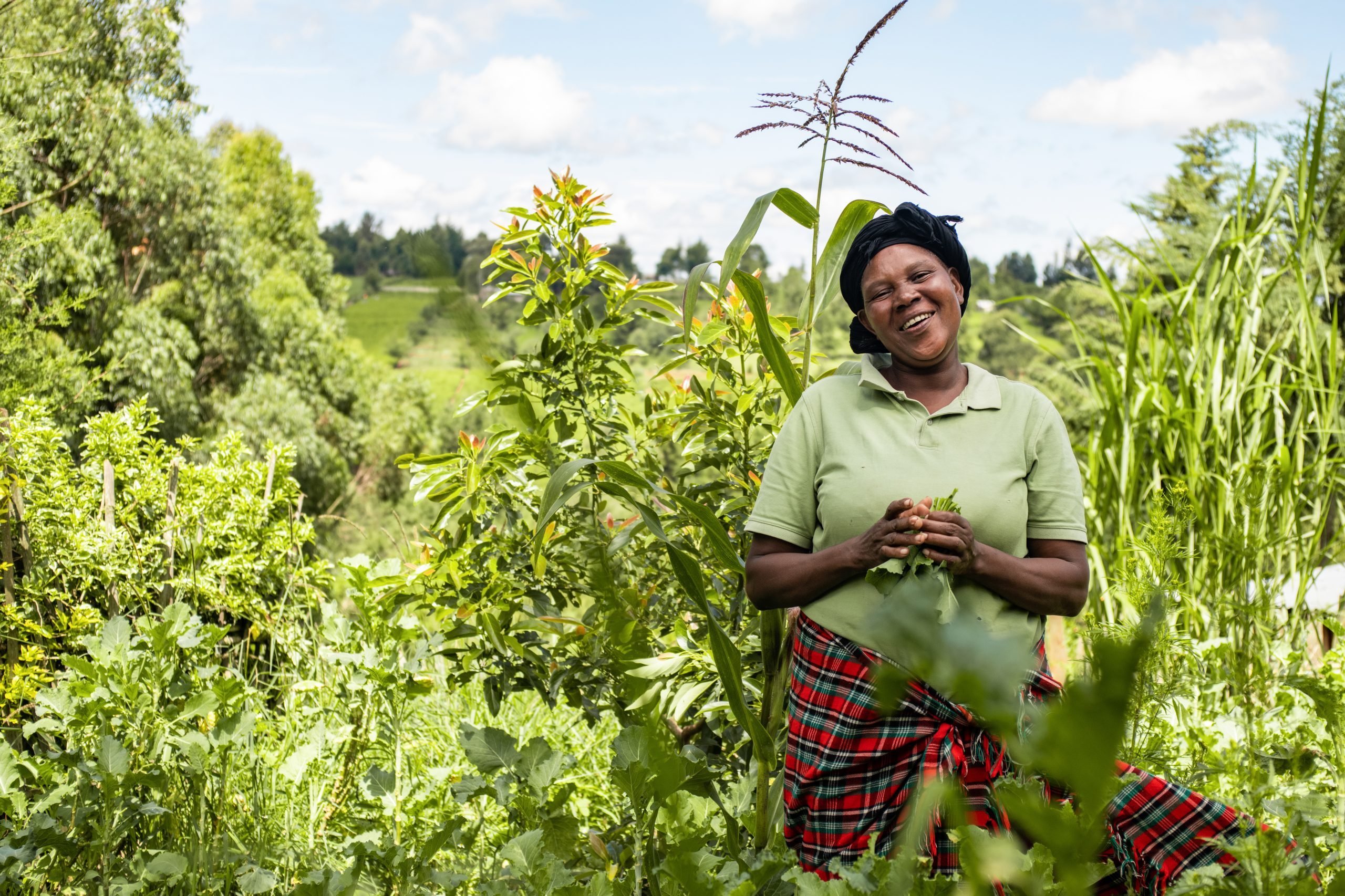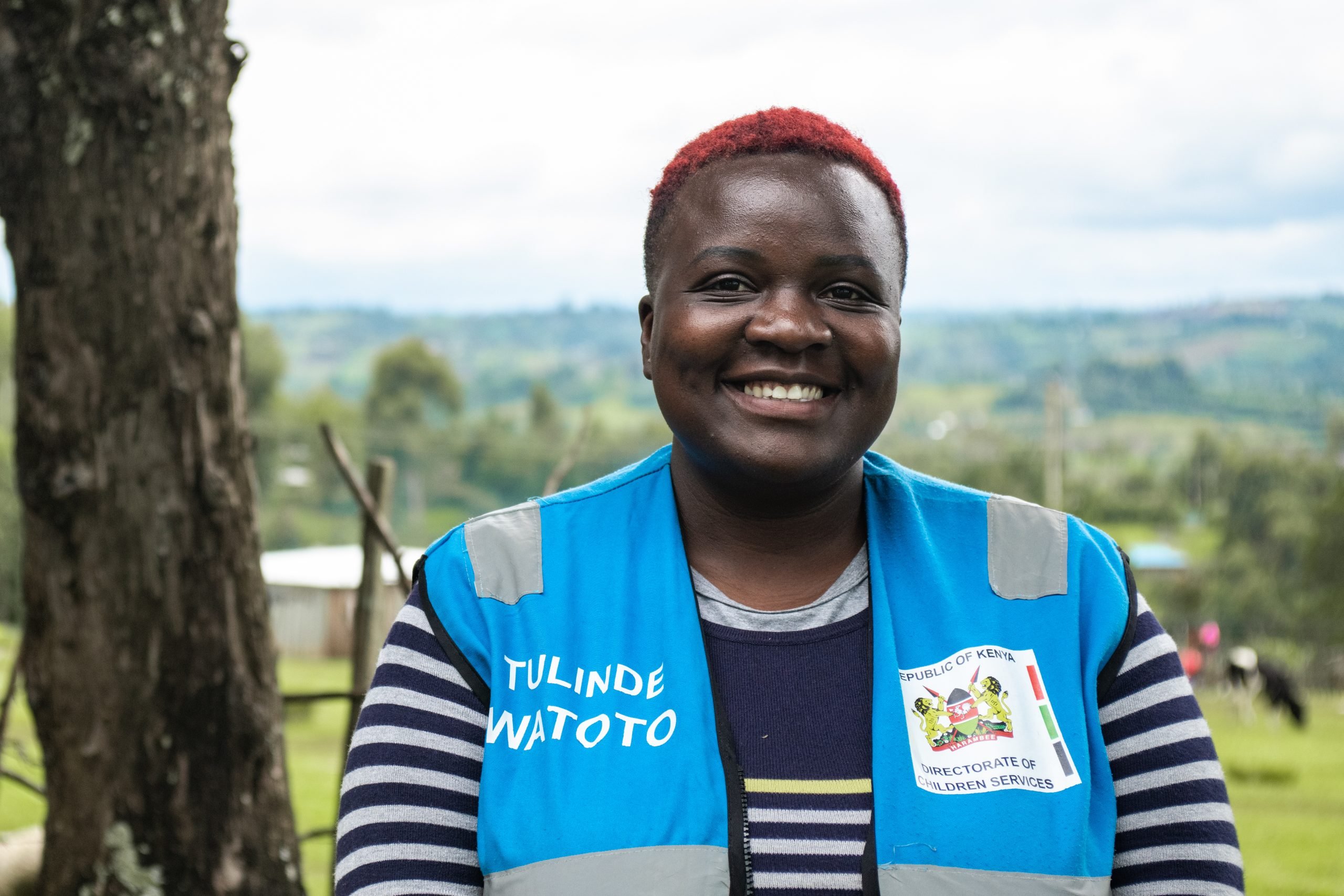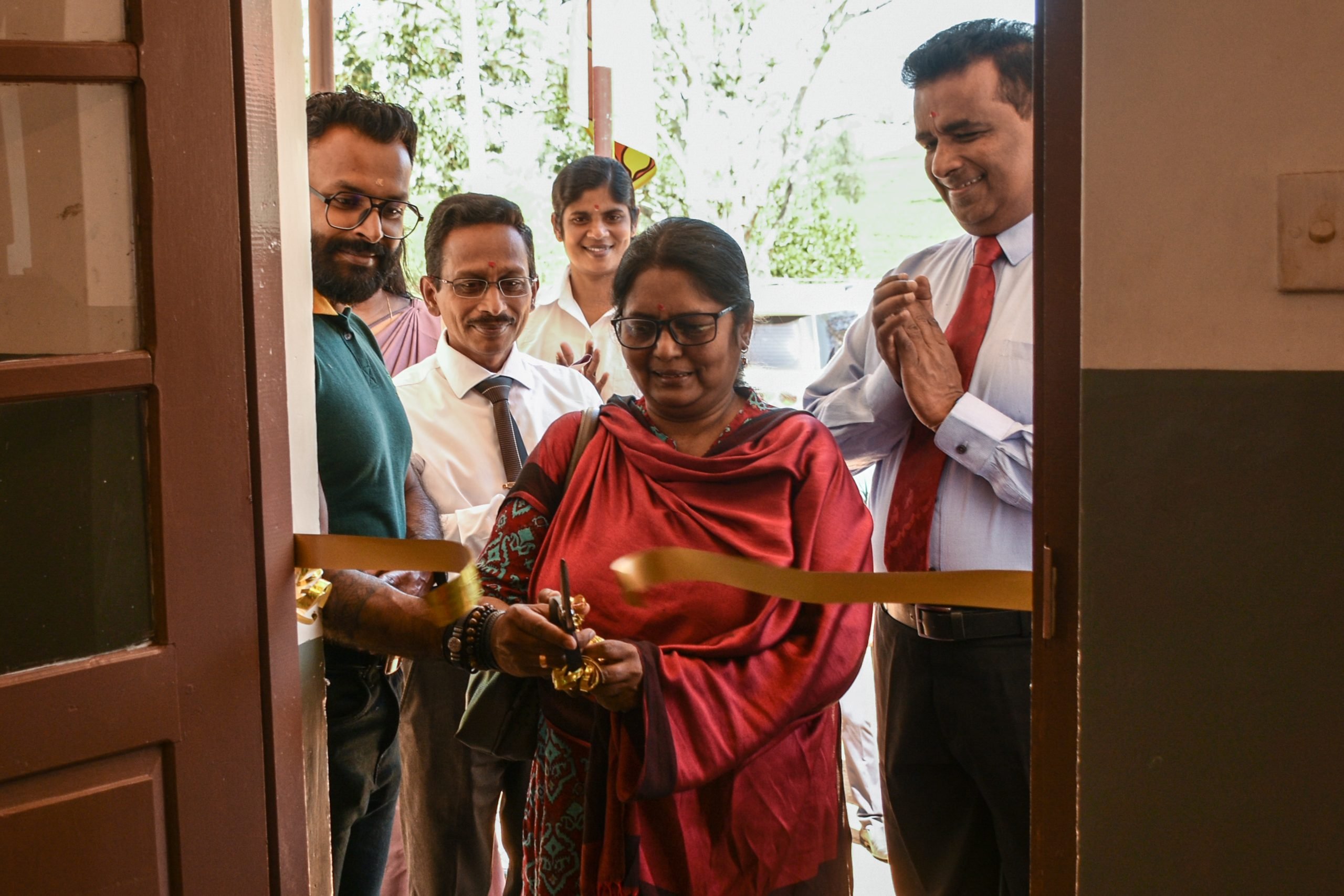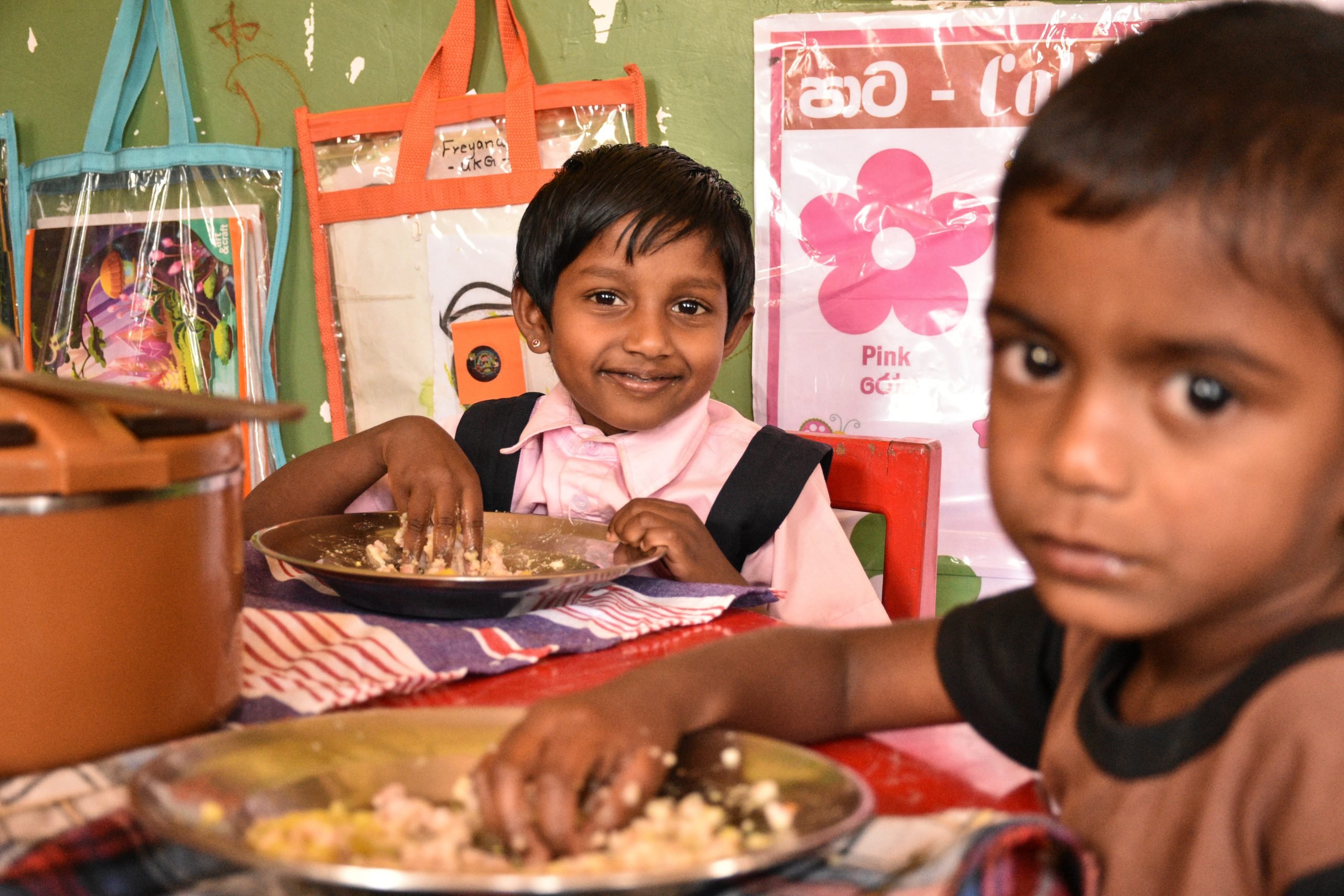
The Mthunzi Project, implemented by ETP in Malawi, is supporting tea farming communities to strengthen climate resilience, improve livelihoods, and advance gender equality through sustainable, community-led income generation. Meaning “shade” or “protection”, Mthunzi links tea farmers, women, and the wider environment through tree planting and agroforestry, encouraging smallholder farmers to diversify their incomes while building resilience to the growing impacts of climate change.
The programme works with communities in Malawi’s Mulanje and Thyolo districts to support more equitable and sustainable livelihoods across the tea sector.
Gifts Story – Independence through beekeeping
For many years, Gift relied solely on tea farming to support her family. While she worked hard in the fields, the seasonal nature of tea farming often left her household financially vulnerable. Her income fluctuated throughout the year, making it difficult to consistently provide for her family and support her children’s education.
As a married mother of three, Gift wanted to create a more secure future for her children. However, her income was limited and unpredictable which made long-term planning difficult.
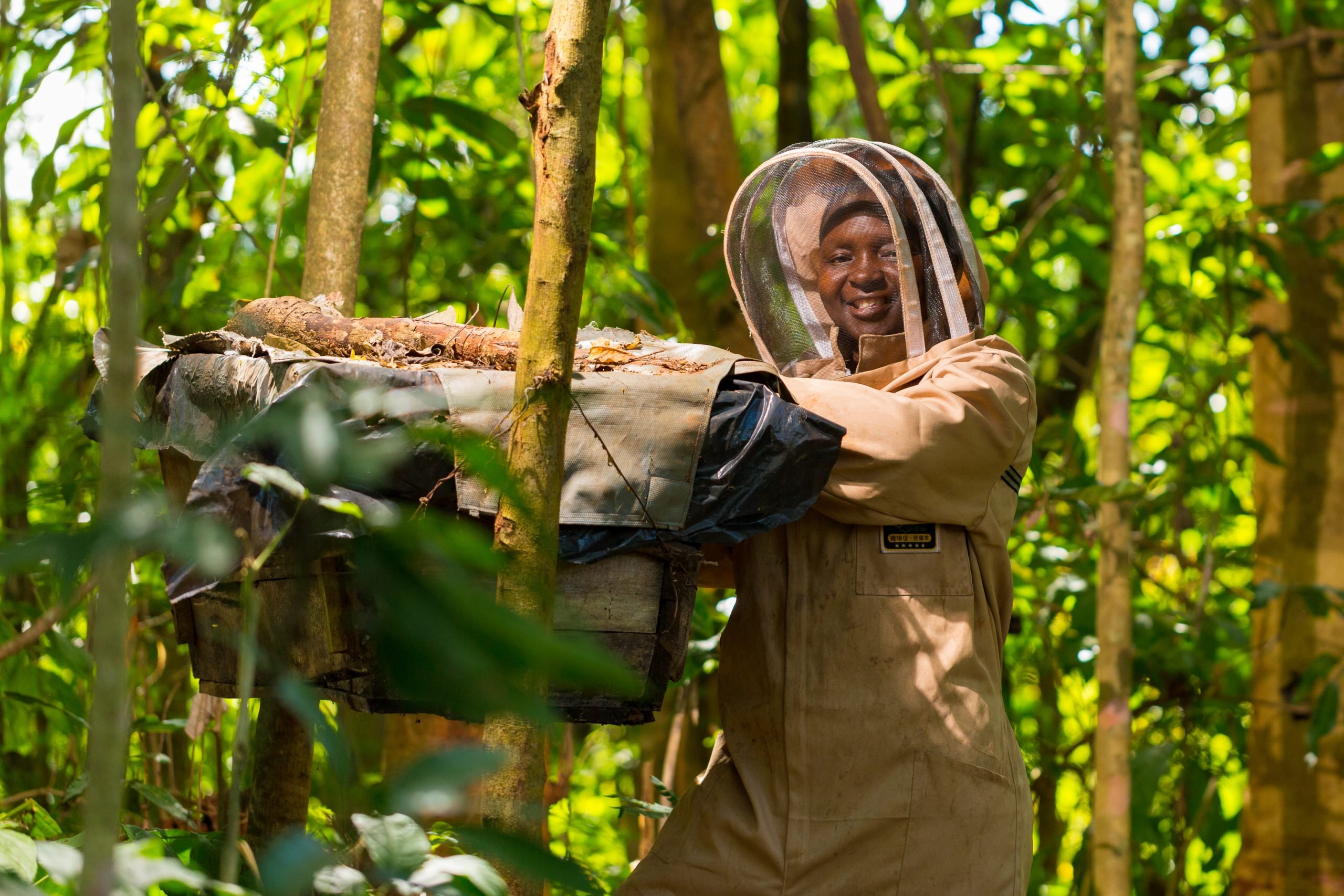
Through the Mthunzi Project, Gift was introduced to beekeeping, an opportunity that would become a turning point for her family. Despite beekeeping often being perceived in some communities as a male-dominated activity, Gift embraced the training and received two beehives through the programme.
With determination and commitment, Gift began her journey into beekeeping, learning how to manage hives and harvest honey. Her first harvest produced 20 kilograms of honey, generating approximately £89 in income.
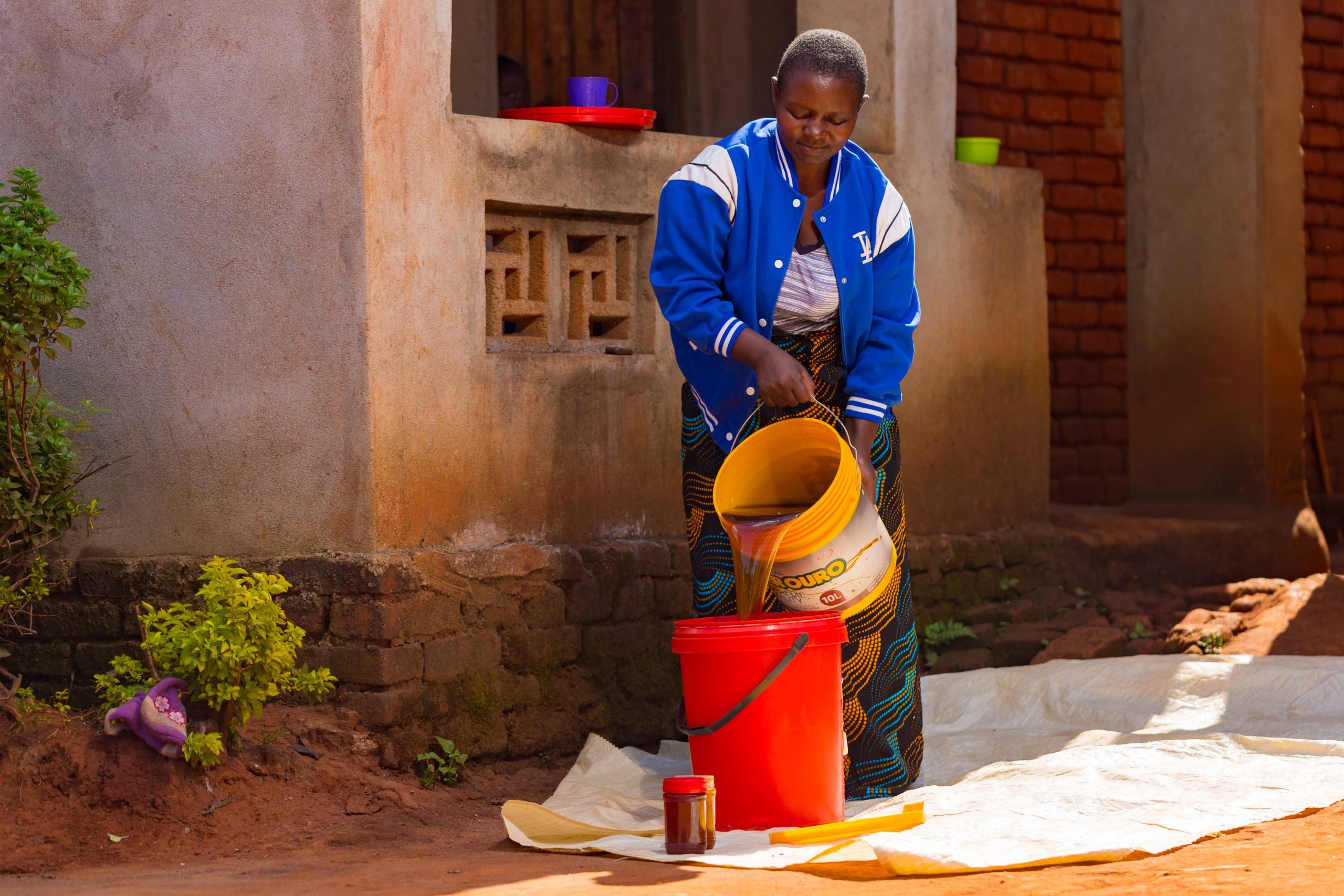
Reflecting on her experience, Gift said:
“Bees do not ask if you are a man or a woman, they reward hard work. My honey harvest shows that women can also lead in ventures once thought impossible and I am a living example and proud that my hands, my hive and my courage brought £89 into my household and I can assure you that this is just the beginning, bee keeping is not a man’s venture, it is a family’s future.”
The additional income marked a significant shift for Gift’s household as it enabled her to begin building a family home, a milestone that had previously felt out of reach.
Encouraged by this progress, Gift expanded her beekeeping activities from two hives to seven meaning that the following year, she increased her honey production and generated around £431 which she used to roof her house with iron sheets and further strengthen her family’s stability with the knowledge that their home is prepared for the torrential rains the region is not unfamiliar to.
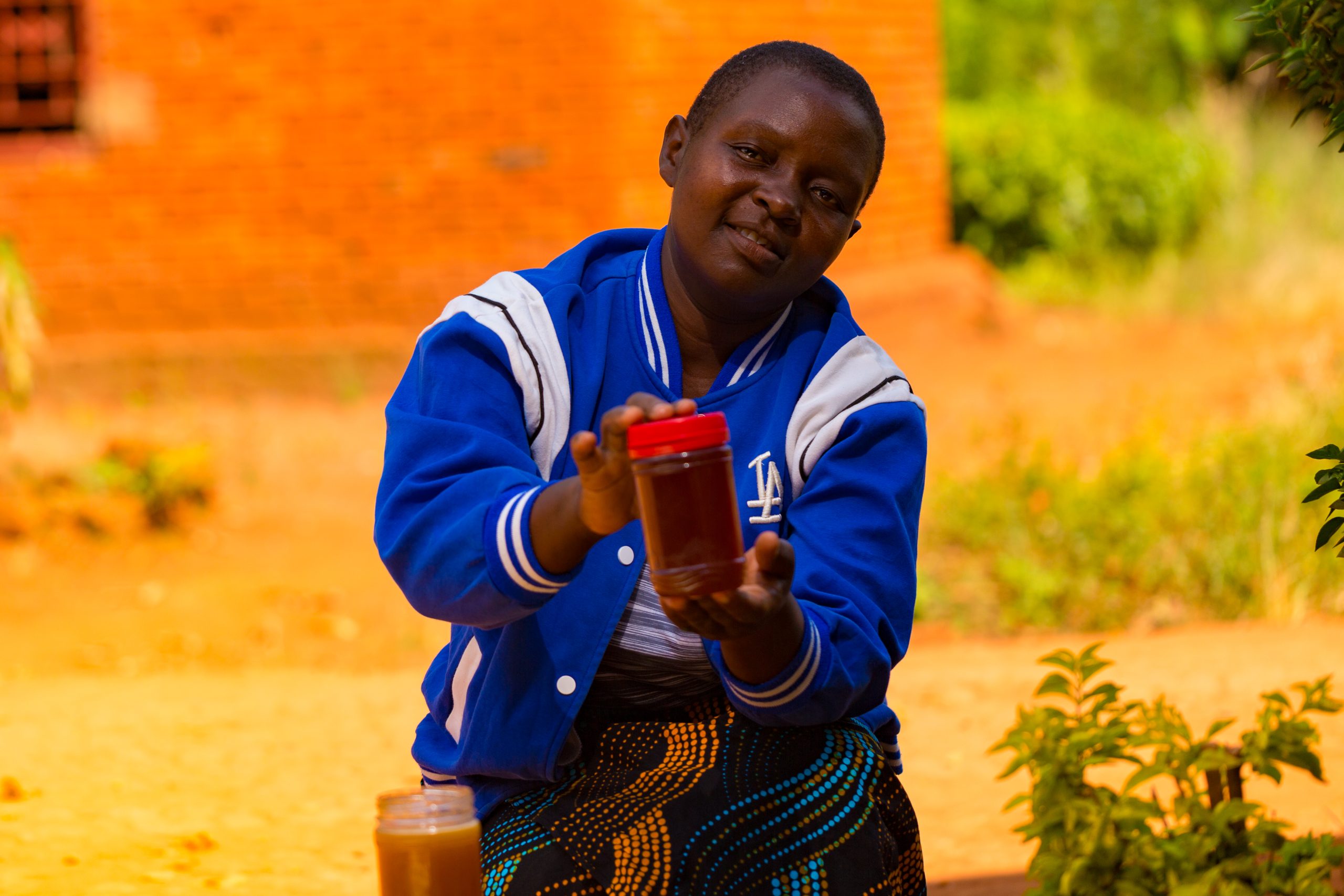
Beyond improving her household income, beekeeping has had a lasting impact on Gift’s ability to support her children’s education. Today, one of her children has completed the Malawi School Certificate of Education (MSCE), another is in Form 3, and her youngest is in Standard 8.
For Gift, these achievements are closely tied to her journey through Mthunzi and the opportunities it has created. She said:
“Honey has given me the power to educate my children, build my home, and stand tall in my village. Women should not be left behind; we carry the future in our hands. Beekeeping is not just about honey. It is about protecting our environment. Bees need trees, and trees fight climate change. Through beekeeping, we are replanting, we are reforesting, and we are healing the land for our children.”
For Gift, beekeeping has become more than a source of income. It has become a foundation for stability, dignity, and future opportunity. Her seven hives now represent a livelihood that continues to grow, alongside her confidence and independence.
Find out more