Through the Improving Lives programme, ETP and UNICEF work together to address challenges faced by children, women, and families working in tea. It aims to deliver systemic change that will help tackle the root causes of some of the most complex child rights issues in tea plantations. As part of this initiative, the programme integrates the Child Rights and Business Principles (CRBP) to implement community-led interventions that focus on protecting children and promoting child-friendly environments across the 205 tea gardens.
Living in Romai
The Romai tea plantations, like many others in India, face challenges in eradicating social issues such as child labour, which are primarily driven by poverty. The Improving Lives programme has supported members of the Romai community in taking concrete measures to safeguard child rights and improve the living conditions of children and communities in tea estates. To showcase the impact of these efforts, the story of Ratnadeep, a 12-year-old boy from Romai Tea Garden, highlights the work of the Child Protection Committee (CPC).
Ratnadeep
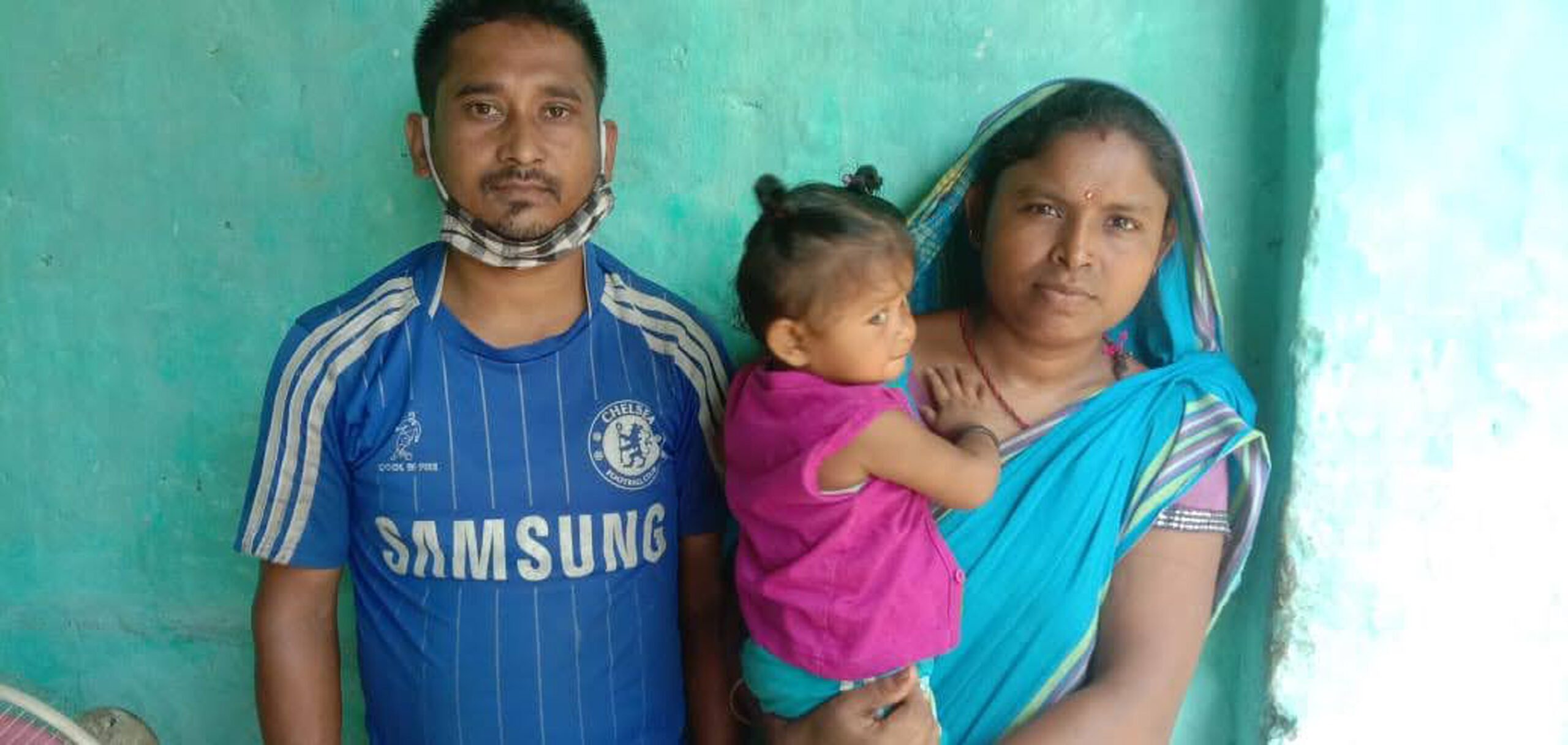
Ratnadeep, a 12-year-old boy living in the Romai tea estate, is the second of three siblings. He attends school in sixth grade. His parents, Binduwati and Rajib, enrolled him in school with the hope that education would give him the opportunity for a better future.
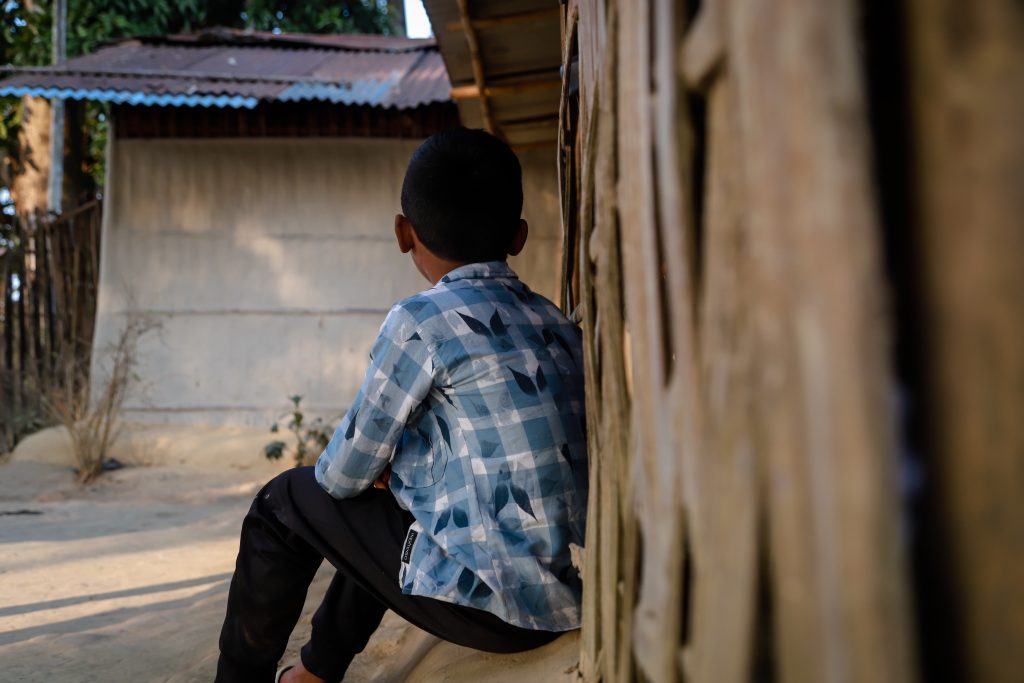
However, their hopes were dashed when they discovered Ratnadeep had been skipping school to work at a shop without their knowledge.
On his way back from school one day, a man stopped Ratnadeep and persuaded him with promises of small rewards, such as money (under £0.20) and sweets, to work in his shop.
“When my parents were at work, he would come and take me to pack goods like popcorn or manage the shop,” Ratnadeep recalls.
For two days each week, Ratnadeep was taken without his parents’ knowledge. It wasn’t until his school noticed Ratnadeep’s frequent absences and informed his parents that they became aware.
“The man used to give Ratnadeep 20 rupees (equivalent to £0.18), and some sweets. It is hard for a child to resist money and sweets, so obviously the child would keep going for that” explained Binduwati and Rajib.
Support of CPC and tea estate management
When discovering what happened, Binduwati and Rajib acted quickly. They contacted the Mothers’ Groups, CPC members and tea garden management, all of whom had been trained by the improving Lives programme on child labour prevention.
Shankar Bhumij, the tea line guard and a CPC member explained:
“My role is to keep an eye on children. I check the labour lines every morning to see who is attending school and who isn’t.”
When Ratnadeep’s parents mentioned his absence from school, Shankar immediately informed the tea garden manager. Once the shopkeeper was confronted, Ratnadeep’s parents reported him to the police.
“The CPC members and Shankar supported us throughout the process. The case was initiated and resolved in 12 days,” Rajib noted.
The parents’ decision to report the shopkeeper to the police marked a significant step toward eliminating child labour in the tea garden. As a result of such proactive efforts, the Romai Tea Estate has been declared a child labour-free zone, a testament to the community’s determination to protect its children.
The mothers’ and adolescent groups
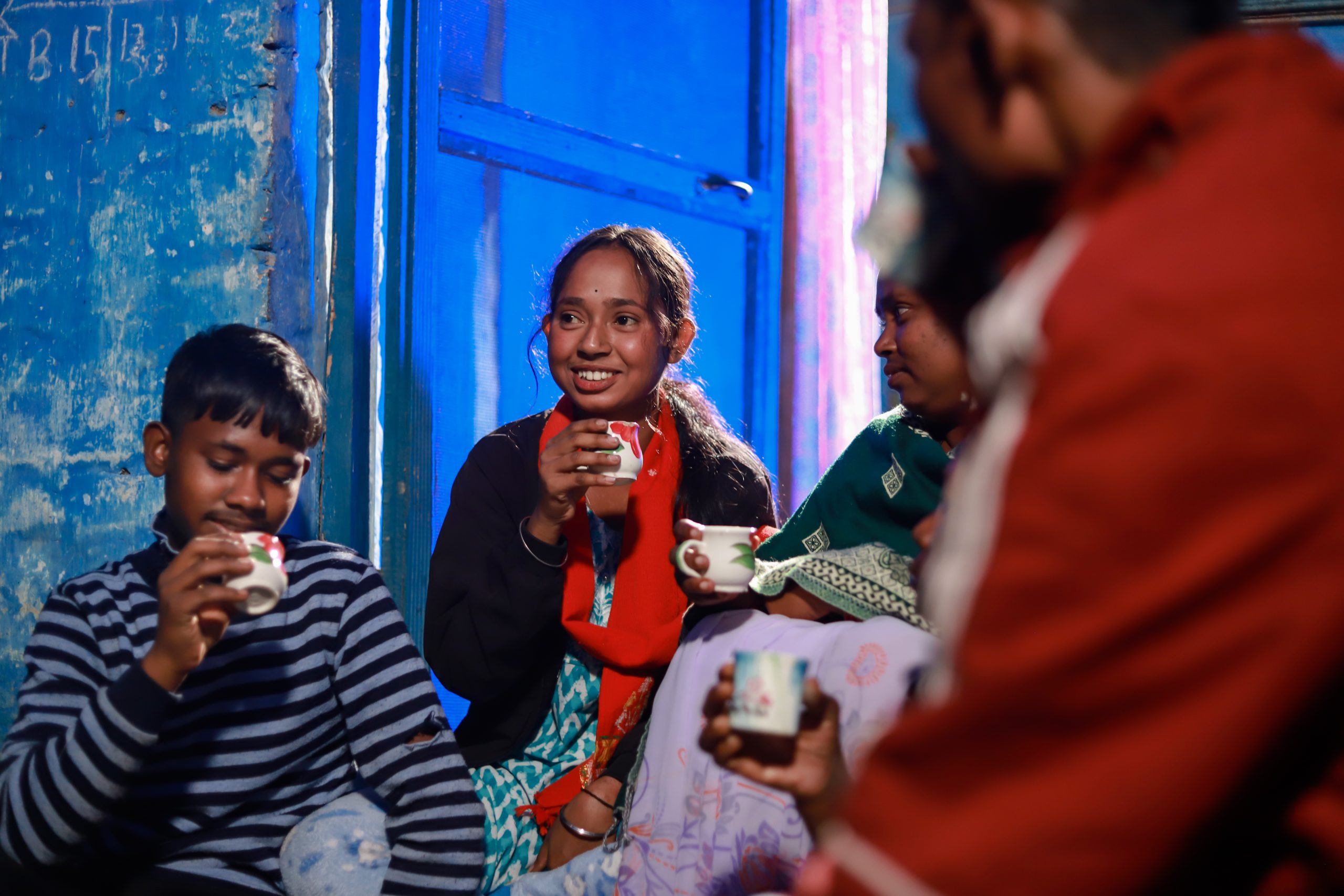
Following the incident, the Improving Lives programme provided further support to Ratnadeep’s family through its Mothers’ Groups and adolescent initiatives. These groups, central to the programme’s approach, are instrumental in fostering community resilience and address challenges collectively.
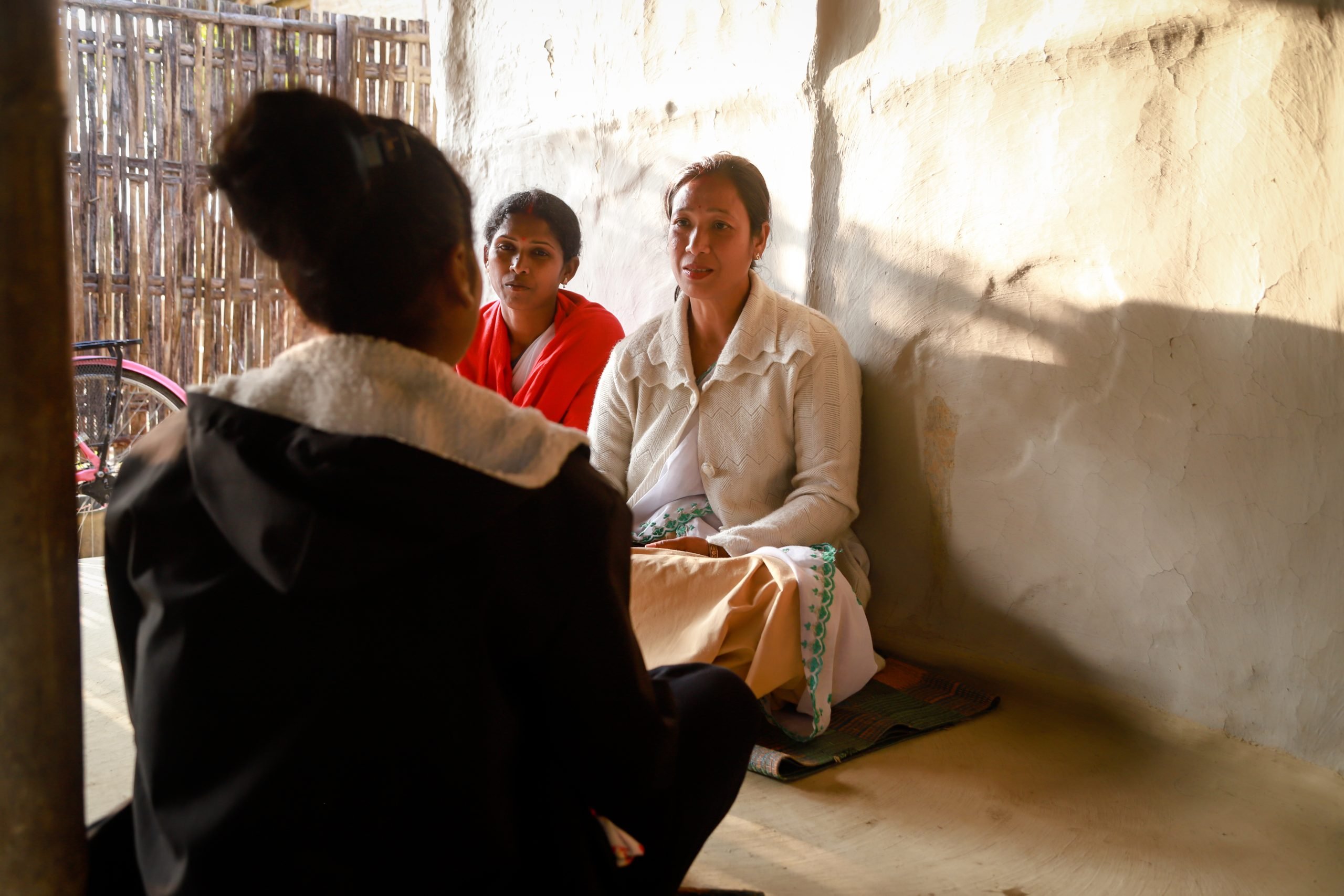
Mili Karmakar, an active member of both the CPC and Mothers’ Group, works on addressing child labour, but also cases of child marriage and school dropouts in her community. She played a pivotal role in Ratnadeep’s case when she learnt about the situation.
“I met with his parents to make an overall assessment of the situation. Ratnadeep had only attended school a few times a month and needed support to reintegrate,” she explained.
To ensure a smooth return to school, Mili visited their home regularly. She also counselled Ratnadeep, encouraging him to focus on his studies.
“His parents said that he was a little hesitant about going back to school. I explained to him why going to school was good for him to learn new things and would help him forget about working in the shop,” she added.
Mili’s work extends beyond individual cases. As part of the Improving Lives programme and CPC, she engages with community leaders, schoolteachers, health officials, and frontline workers to create a protective environment for children across the tea gardens.
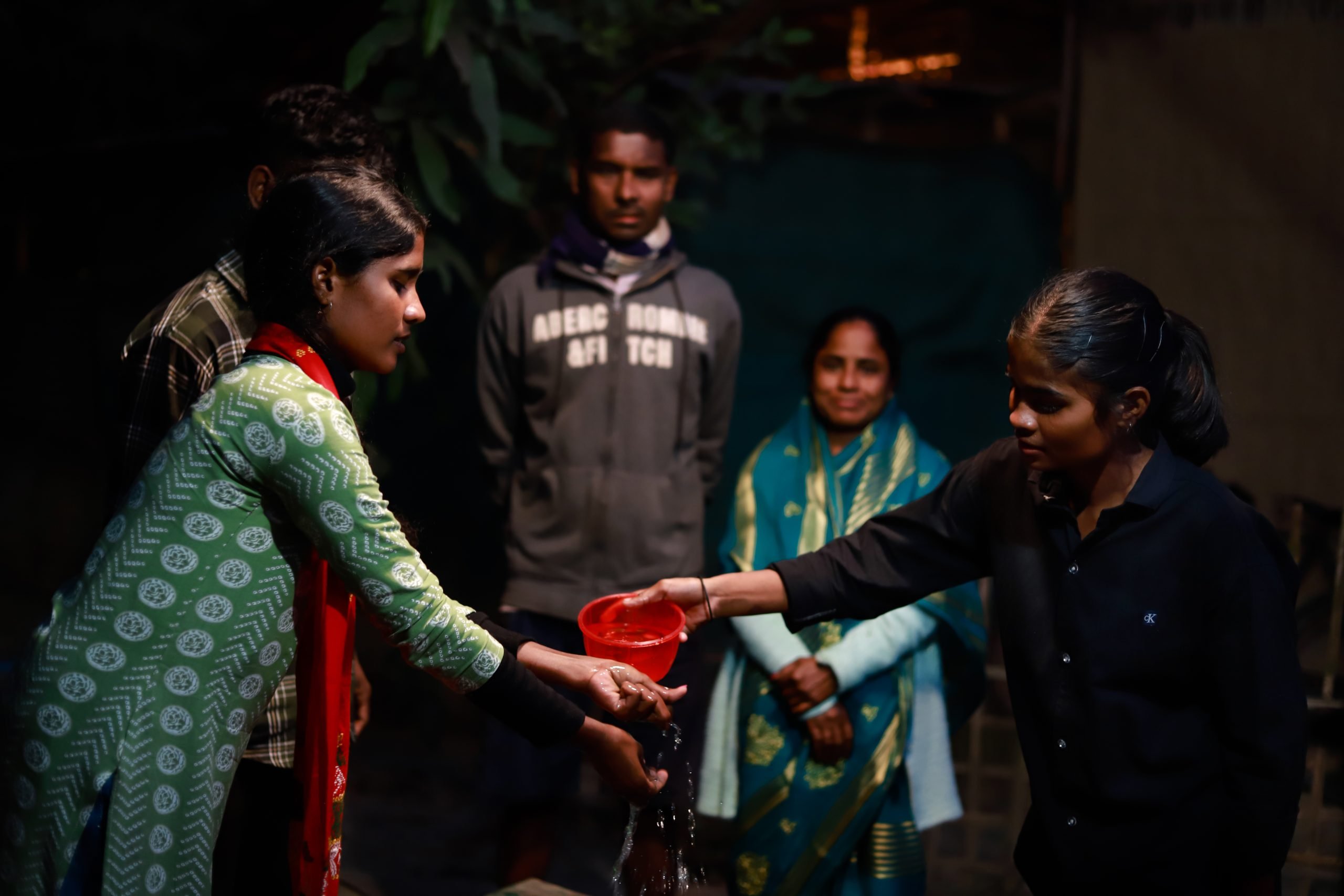
“The CPC members play a crucial role in enforcing child protection policies. We hold regular meetings at the Adolescent Friendly Centre (AFC) with parents, members and adolescent boys and girls as well. These sessions aim to empower the community to recognise and address violations of children’s rights.”
The programme has established AFCs across 151 tea gardens, reaching over 25,000 adolescents. These centres promote positive behaviour change and discuss crucial topics like child marriage and child labour, fostering an environment where children are protected.
Alongside the Mothers’ Groups and CPC, the Adolescent Groups (AGs) play a crucial role in sustaining the community’s progress and awareness. These groups provide young people with the tools and knowledge to protect themselves and their peers from exploitation.
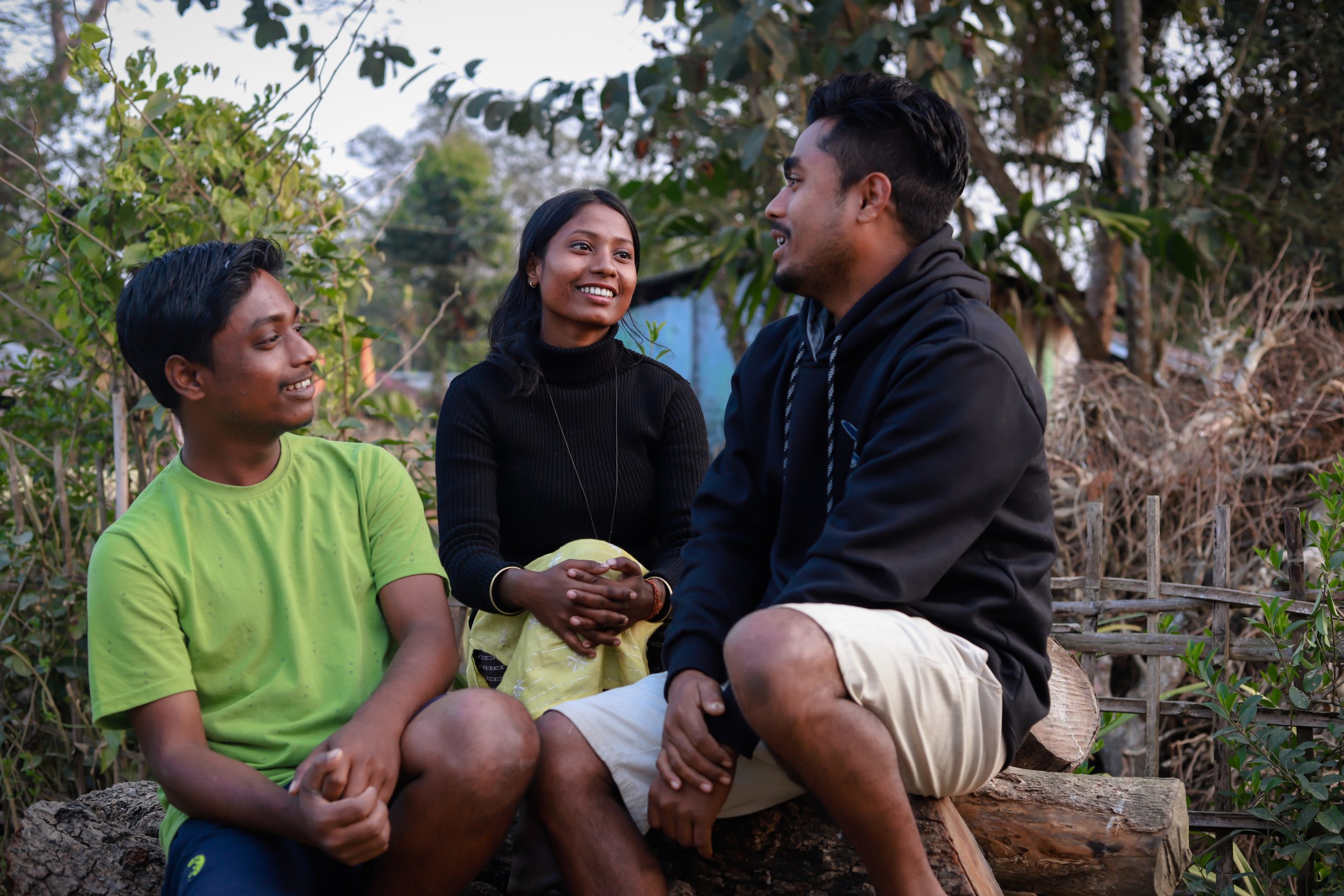
Riku, a 21-year-old member of the AG, joined alongside Ratnadeep.
“We have learnt about child labour and that education is more important than working at a young age. If we see anyone under 18 working, we make sure to report it. We even have a dedicated line to report these kinds of issues.”
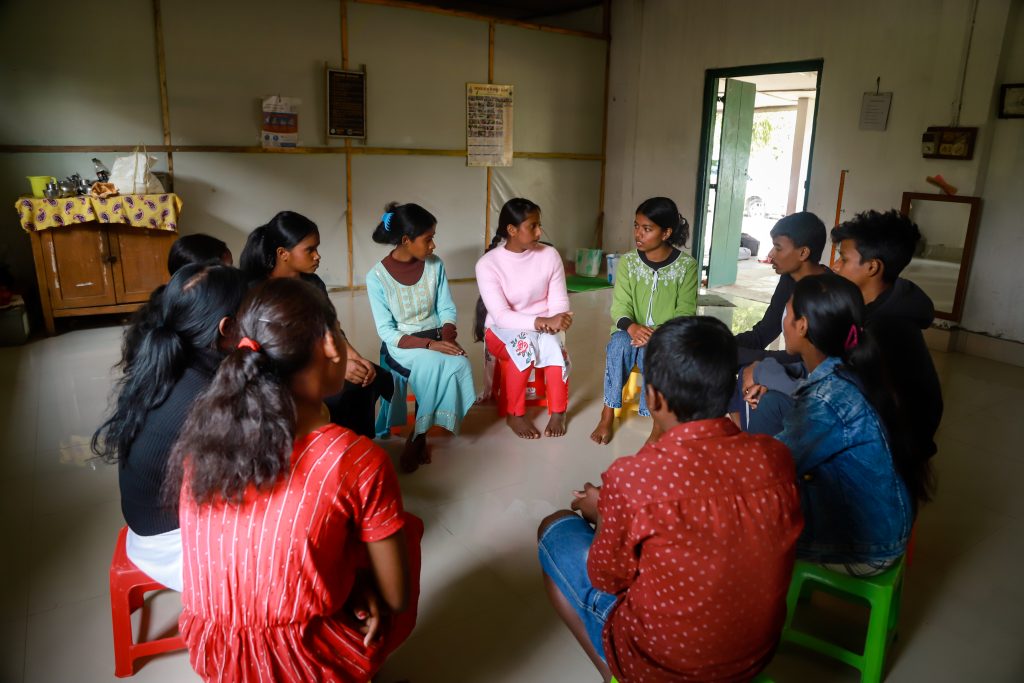
A meeting at the adolescent boys and girls group. Ratanadip* has had his real name changed to protect his identity. Ratanadip’s parents,*Bibek and *Nitra (names also changed) work in the Romai Tea Garden in Dibrugarh district of Assam. While Bibek can barely write his name, and Nitra does not recognize the alphabets, they both envisioned a different future for their son, one where Ratanadip will be educated enough to leave the tea garden life and become a government service holder. To fulfil this dream, they not only admitted him to school at an age-appropriate time (unlike many other tea garden kids), but also ensured he takes extra tuition for maths after school. However, when a friend of Ratanadip asked his parents why he had not been attending school for weeks, it took them by surprise. Because as usual, Ratanadip had been getting ready for school on time and returning home on time.
When they inquired at his school, they found out that Ratanadip had been marked absent for the past one month. Worried parents, upon returning home, questioned Ratanadip about his absence in school. A hesitant Ratanadip revealed that he was working in the bakery shop of a person who lives a little far away from their house, and he gets Rs. 10-20 per day for packaging work. Even though Ratanadip’s parents were not educated, they were well aware that employing a child labourer or permitting their son to work as a child laborer is a crime and a violation of child rights, thanks to the various initiatives taken upon by the tea garden management and on child rights and protection.
When *Bibek found out his son was working in the bakery, he requested the business owner to not employ Ratanadip anymore, but his request was ignored. So Bibek reached out for help, and after advice from the local tea garden manager, alerted the police. The Child Protection Committee also stepped in to help the family and ensure Ratanadip was back in school.
Impact and outcomes
With the support of the CPC, AG, and his family, Ratnadeep regained his confidence and returned to school.
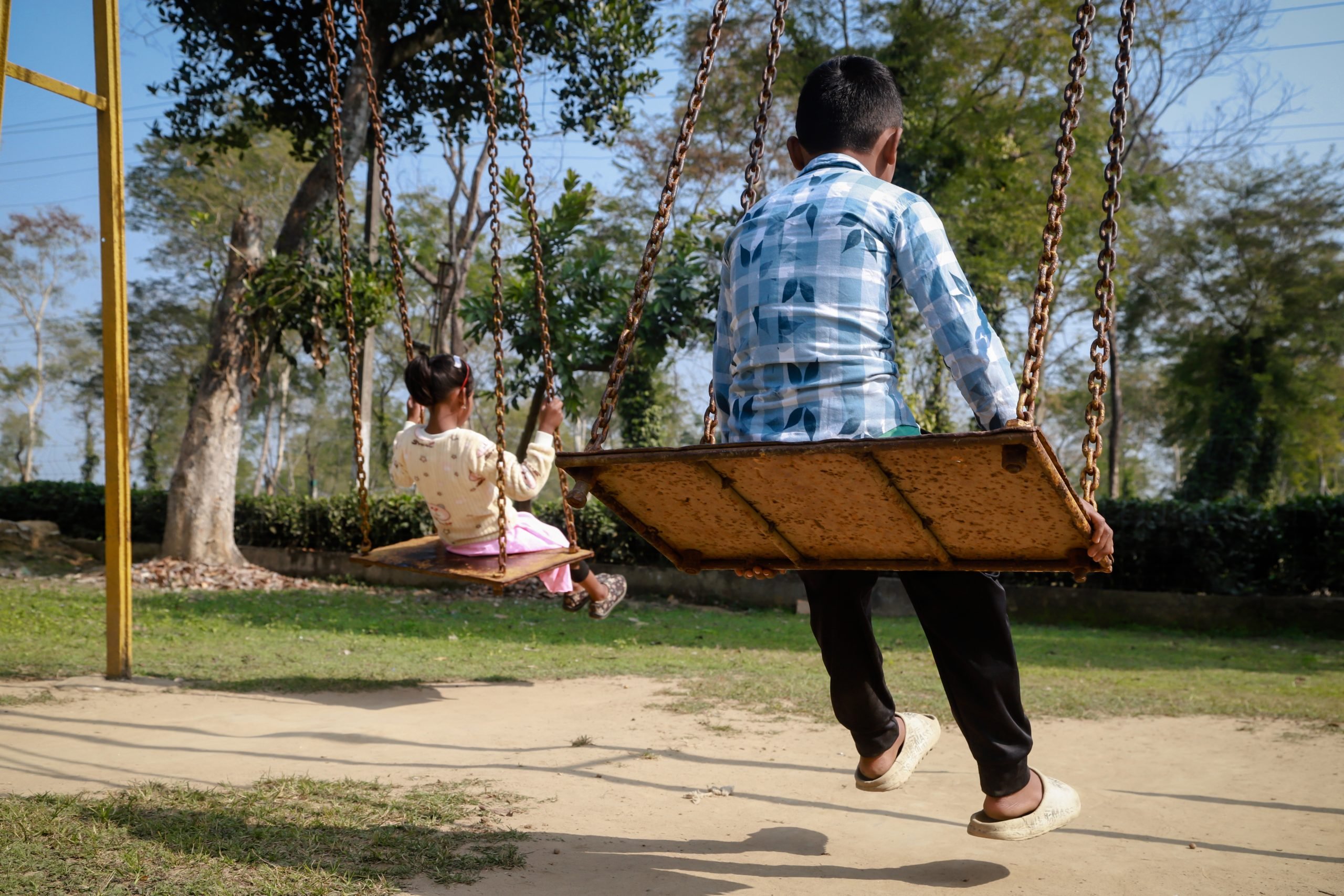
“I feel better now. I study Mathematics, English, Hindi and sciences.I also made new friends at school, and we play football in the evening,”Ratnadeep says.
Ratnadeep’s story is just one of many successes. Since 2023, targeted campaigns have helped re-enrol numerous children in school.
The programme’s capacity-building efforts have led to 202 tea gardens signing the Declaration on the Adoption of Child Rights and Business Principles (CRBP) and the 10-Point Action Plans on Family-Friendly Policy (FFP), a set of guidelines to respect and support children’s rights. This demonstrates a significant commitment from tea estates to uphold child rights and promote a child-friendly environment.
The AGs have fostered a sense of cohesion among young people. This has resulted in the involvement of nearly 6,000 members across 362 girls’ groups and the formation of 156 boys’ groups, focusing on various topics including gender equality, violence prevention, and child rights.
“Whatever we learn, it is our duty to teach others the same,” Riku emphasised.
As for Ratnadeep, his dreams extend beyond the tea gardens.
“In the future, I want to play football and become a great man. First, I will build a house and take care of my mother and father.”
Appendix
Mothers’ Group – This is a forum for mothers in the community for health and nutrition related awareness, counselling, sharing information on government schemes (such as those related to pregnancy, scholarship for children as well as promotion of healthy behaviours) and setting up kitchen gardens.
Child Protection Committee (CPC) – These committees are the first responders in case of any child rights violation, with UNICEF playing a critical role in enhancing their capacity and supporting the establishment and functioning of Child Protection Committees (CPCs) in all 205 Tea Gardens (TGs) over the past 5-7 years.
Although these committees had been linked to District Child Protection Unit across the tea districts in the past (which helped institutionalizing the structure and mechanism of these committees); new national guidelines recommend shifting CPCs from the village level to the Gram Panchayat (cluster of villages) level, renaming them as “Child Welfare and Protection Committees” (CWPCs).
As part of the Improving Lives Program, therefore, in the last two years, efforts have been made to constitute CWPCs at the GP level in the Tea Garden areas. This process will be intensified in the coming months and UNICEF is working to bring together the Department of Women and Child Development (DWCD) and the Panchayat and Rural Development Department (PNRD) to collaborate on this initiative.
Find out more