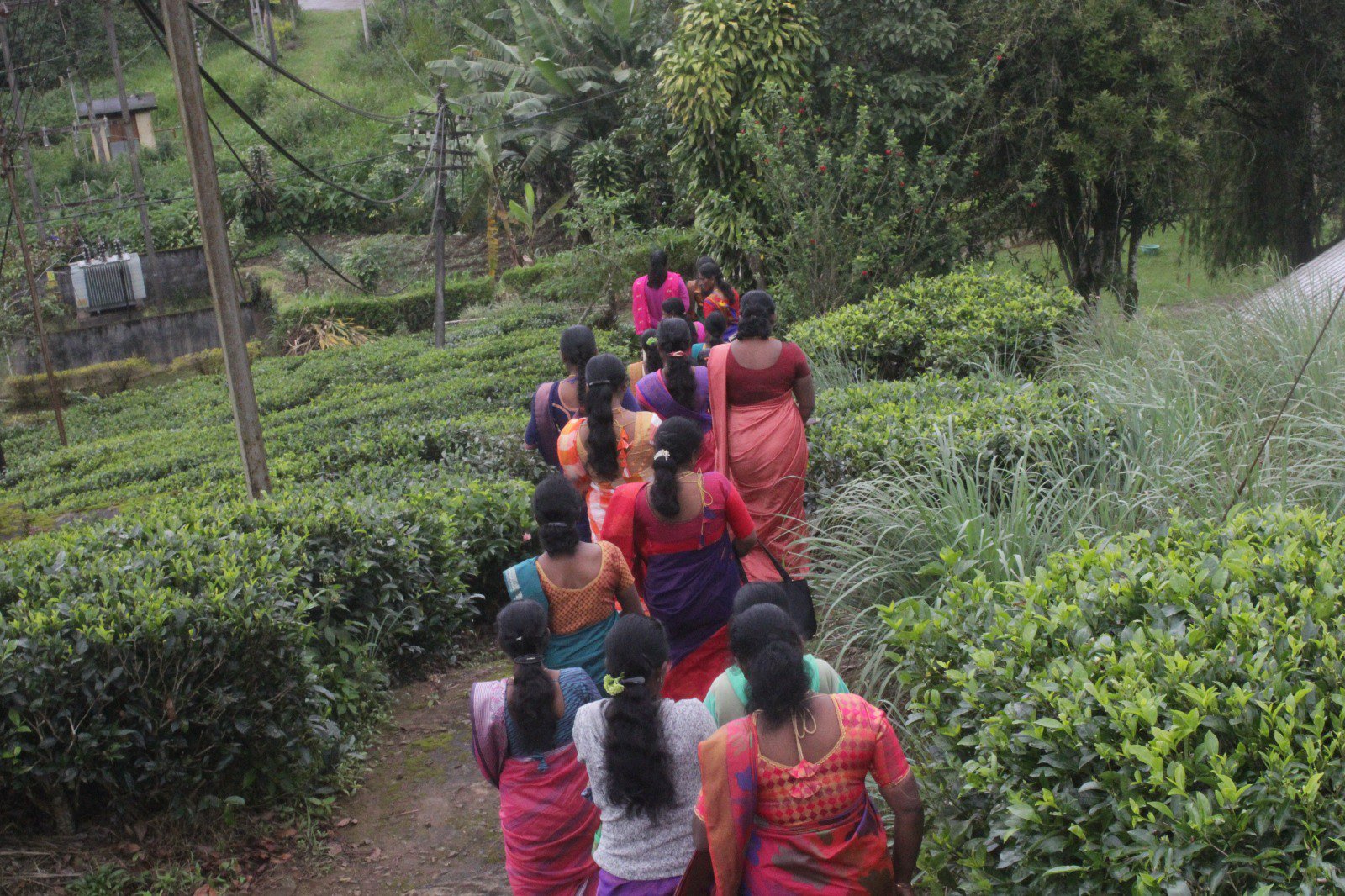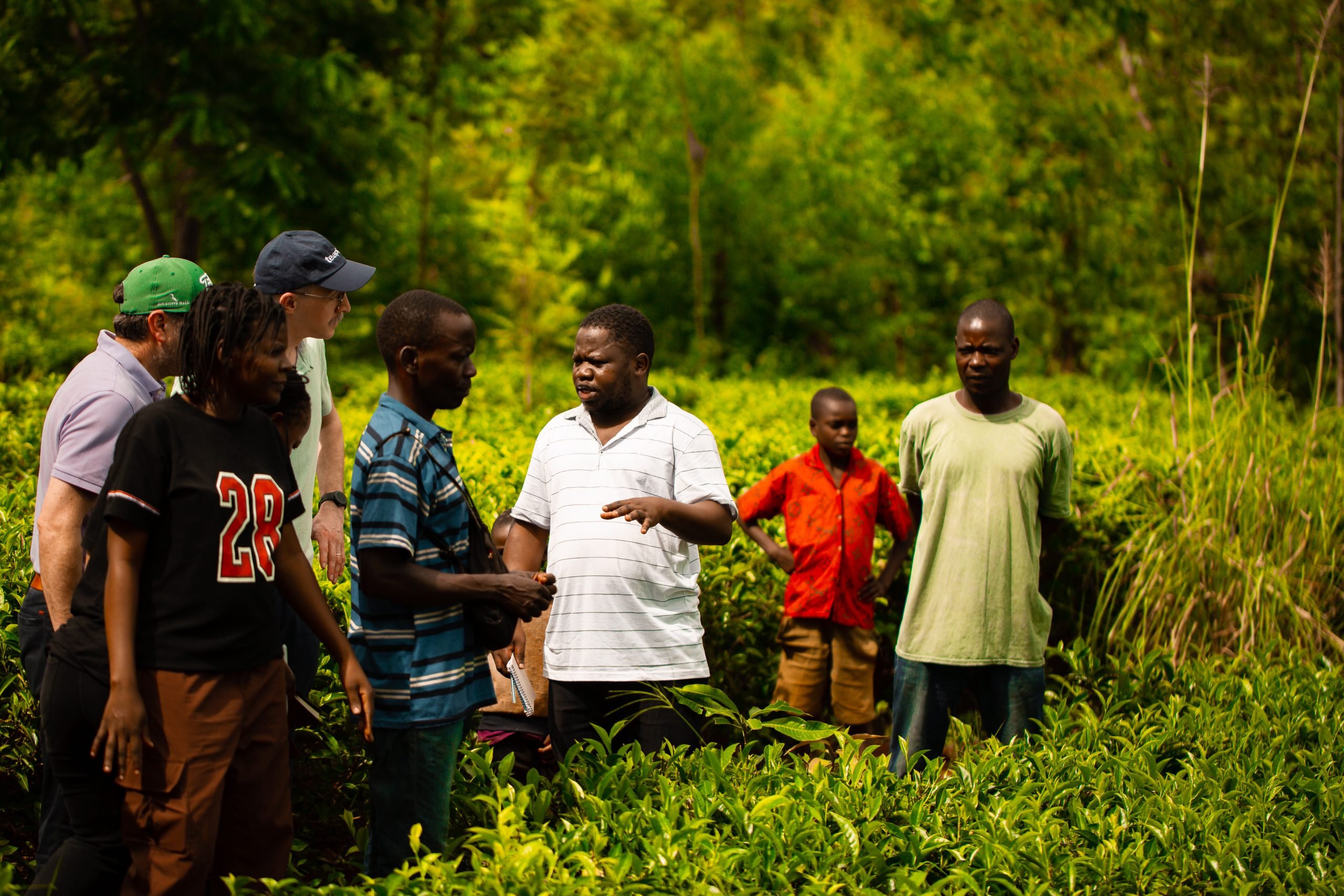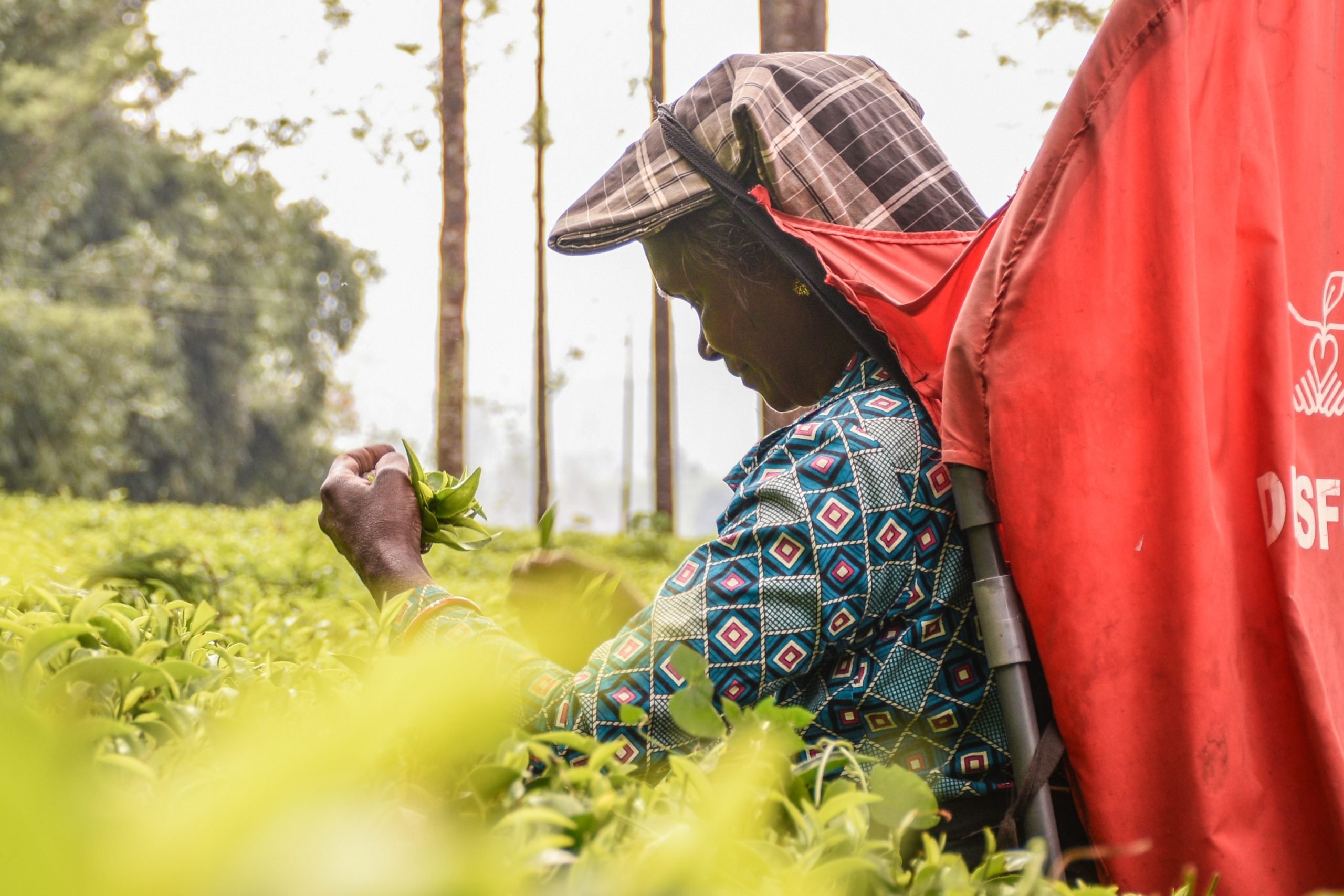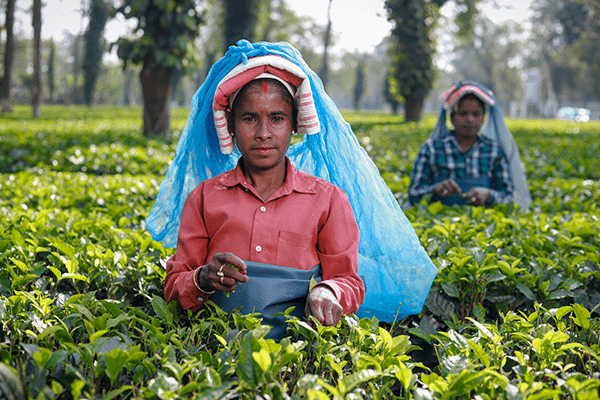
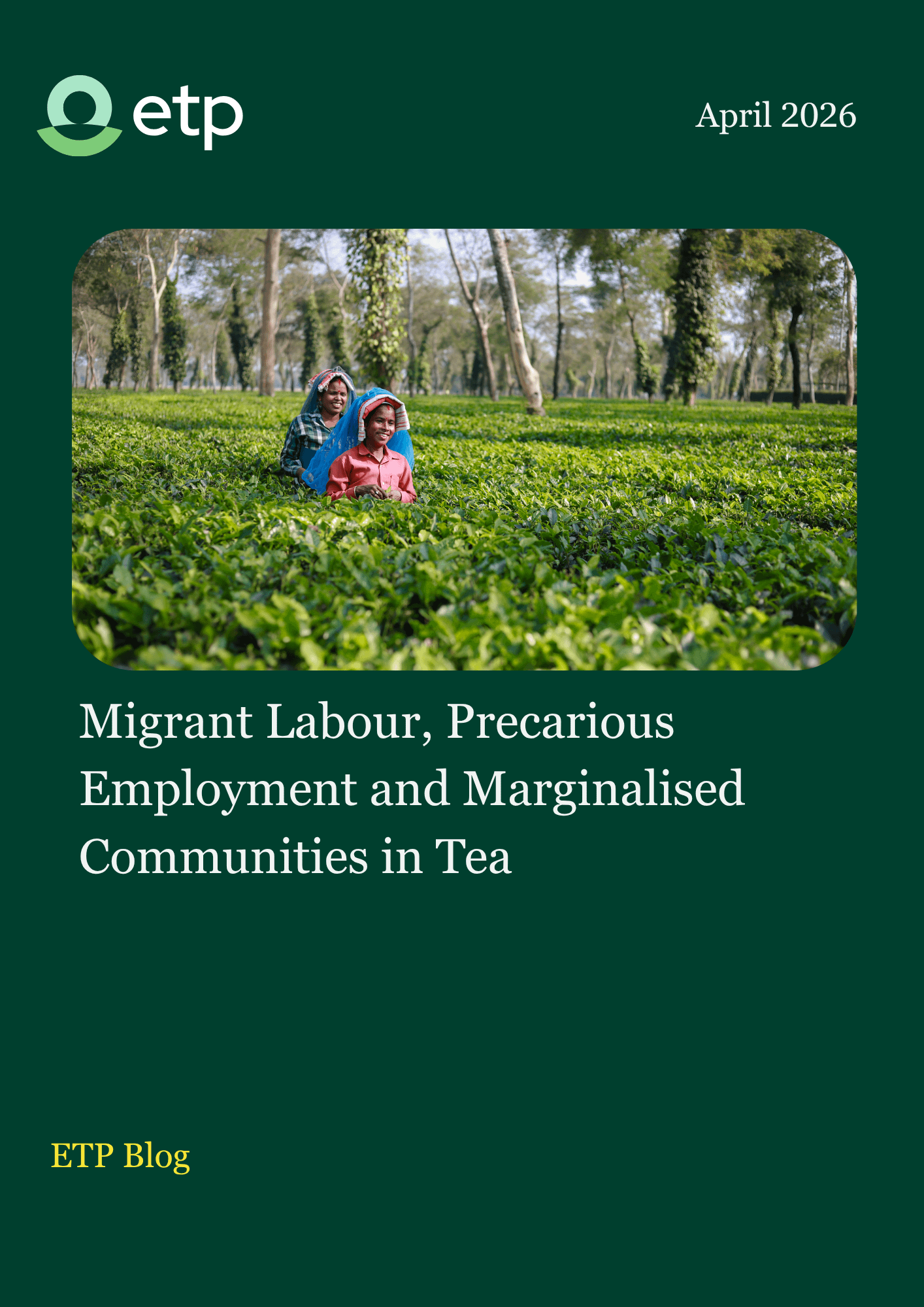
Migrant labour and historically marginalised communities play a central role in tea production, yet they often face heightened risks linked to precarious employment, social exclusion, and limited access to rights and protections.
Addressing these challenges requires a deeper understanding of how factors such as migration status, gender, ethnicity, and employment type intersect to shape vulnerability. While progress has been made, gaps remain in how these risks are identified and addressed across the tea supply chain, particularly for workers in temporary, casual, or informal roles.
This factsheet explores the historical and contemporary dynamics shaping labour vulnerability in tea, highlighting key risks, trends, and opportunities for more inclusive and effective human rights due diligence. It provides practical insights to support stakeholders in strengthening responsible, equitable, and resilient supply chain practices.