Women in Leadership

Empowering women in tea.

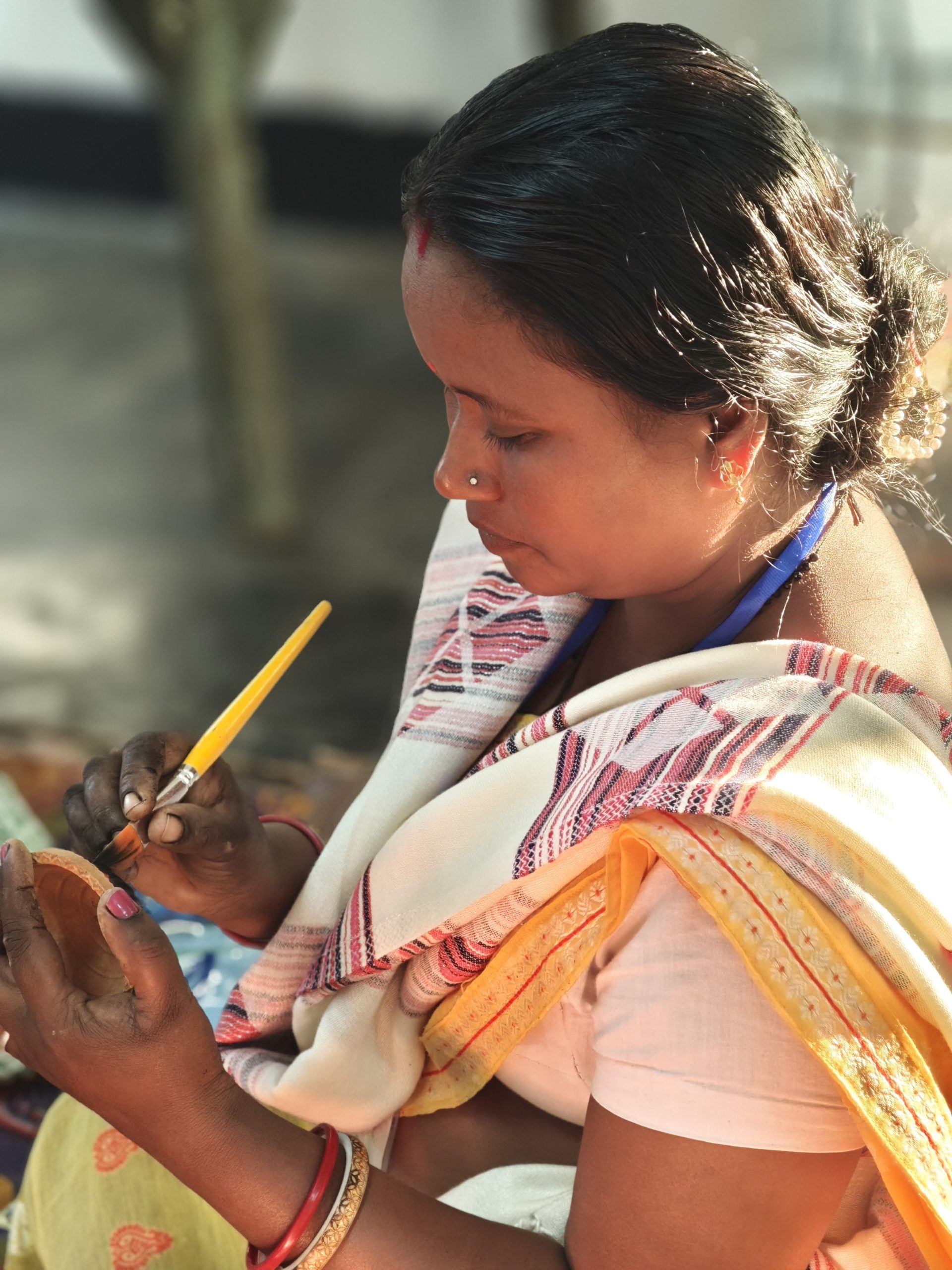
Gender inequality is a prevalent issue within tea estates in both India and Sri Lanka. Tea production relies heavily on women workers, yet they face systemic, structural, and socio-cultural inequalities in various areas of their lives. This can limit their participation and progression into leadership or supervisory roles and their input into the decisions affecting them.

  • 2024 – 2026
  • Status: On-track

Programme overview

Working towards a tea sector in which all leaders promote gender equality and women’s rights, and where women are empowered to assume leadership positions.​

Programme partners

The Republic of Tea (TRoT) and Talawakelle Tea Estates of Hayleys Plantations Group (in Sri Lanka).
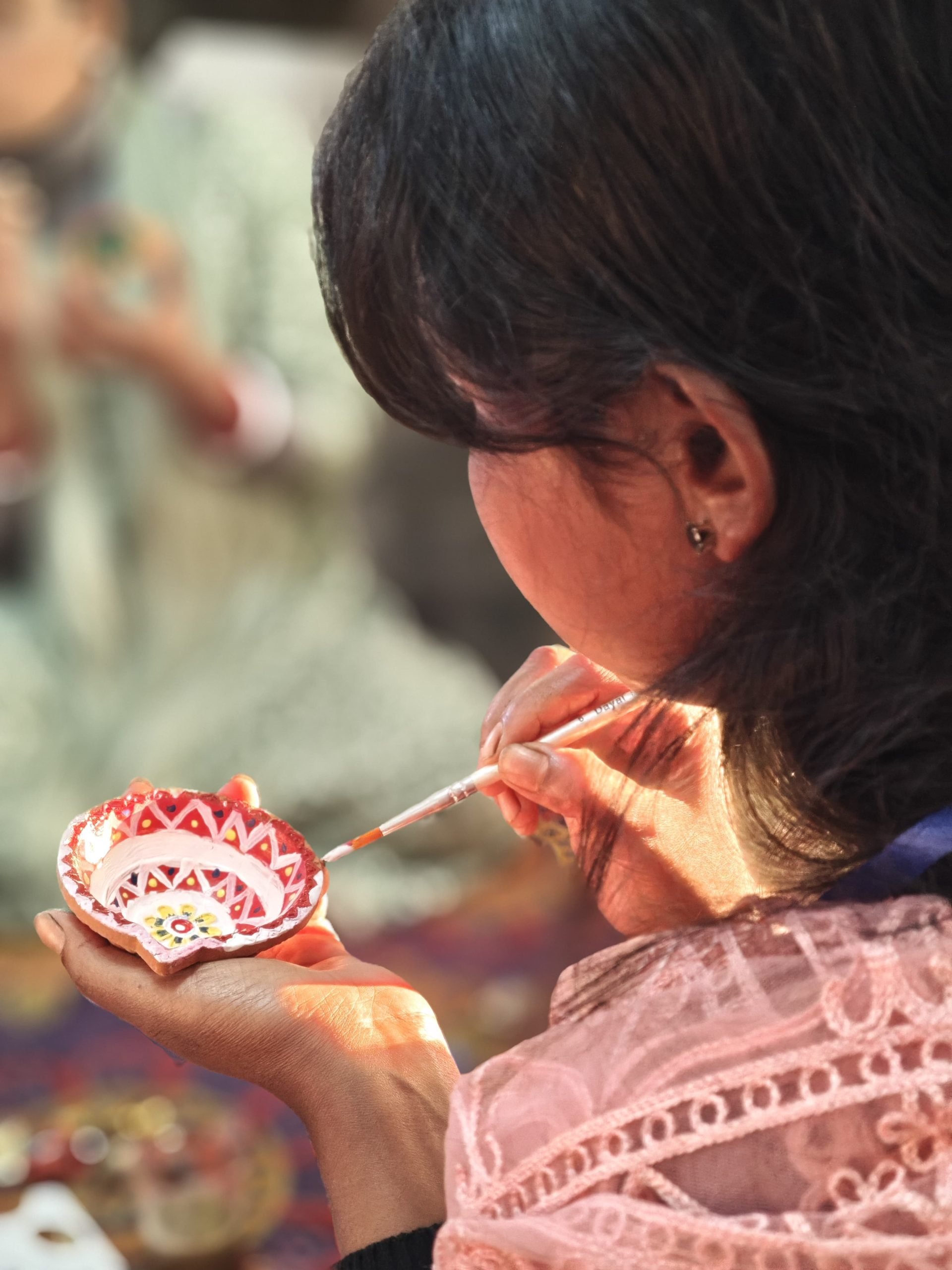
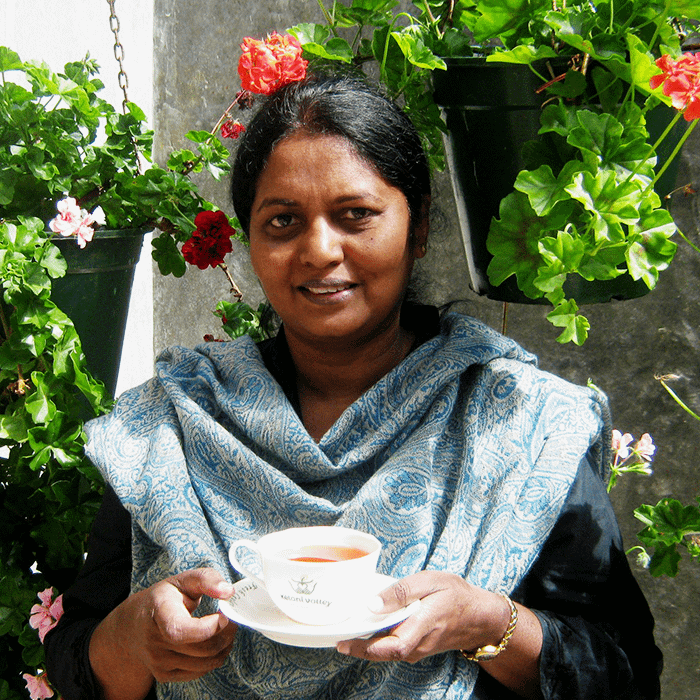
Although both countries share the same overall objective – to promote gender equality and women’s rights and empower women to assume leadership roles – the approaches taken are slightly different, adapted to local context, needs and opportunities.

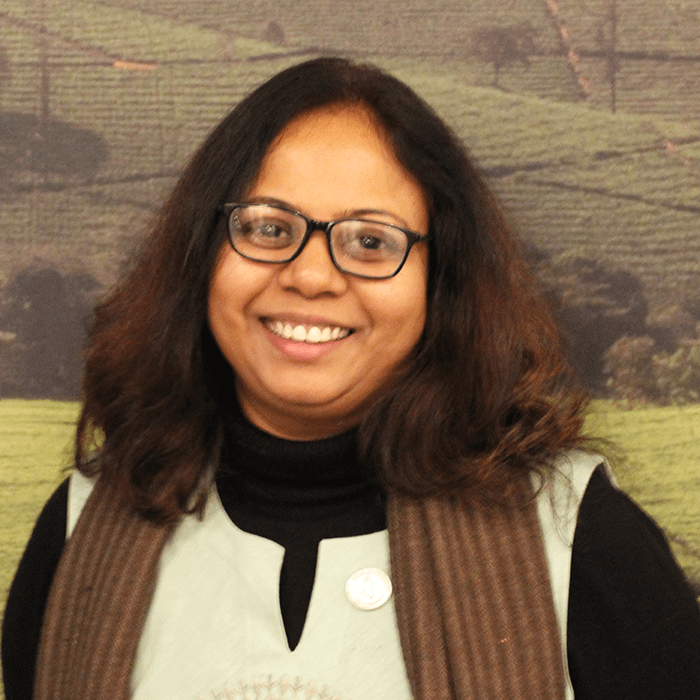
In India, the programme, also known as ‘Udayini’ (‘Women rising’), aims to nurture women leaders in the community with the skills and knowledge to take on leadership roles. The programme also looks to enhance knowledge and uptake of social protection schemes and promote financial inclusion.

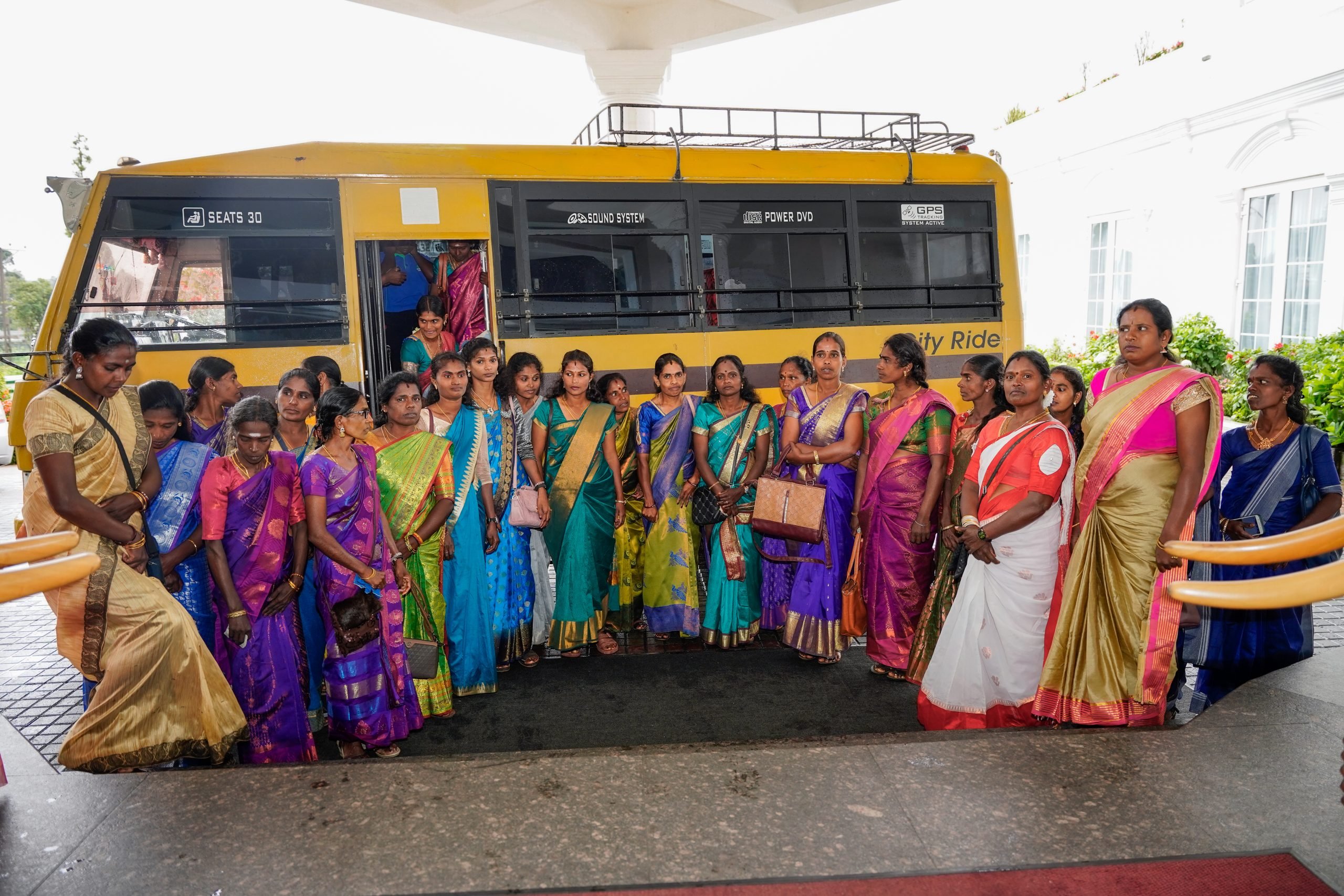
In Sri Lanka, the programme works with women tea workers to develop their skills and knowledge to take on leadership roles, as well as ensuring that leaders and other key stakeholders in the tea sector (including men and youth) understand and promote gender equality.

In India, the programme used a cascading training model to intensively train women, youth and men on gender, leadership, social protection, digital literacy, and financial inclusion.

In Sri Lanka, the programme is implemented by a producer company, supporting accountability and sustainability. It also involves national, district and local government authorities for training support, community assistance and visibility.

Activities are ongoing in both countries. Below is an insight into progress to date:

In India:

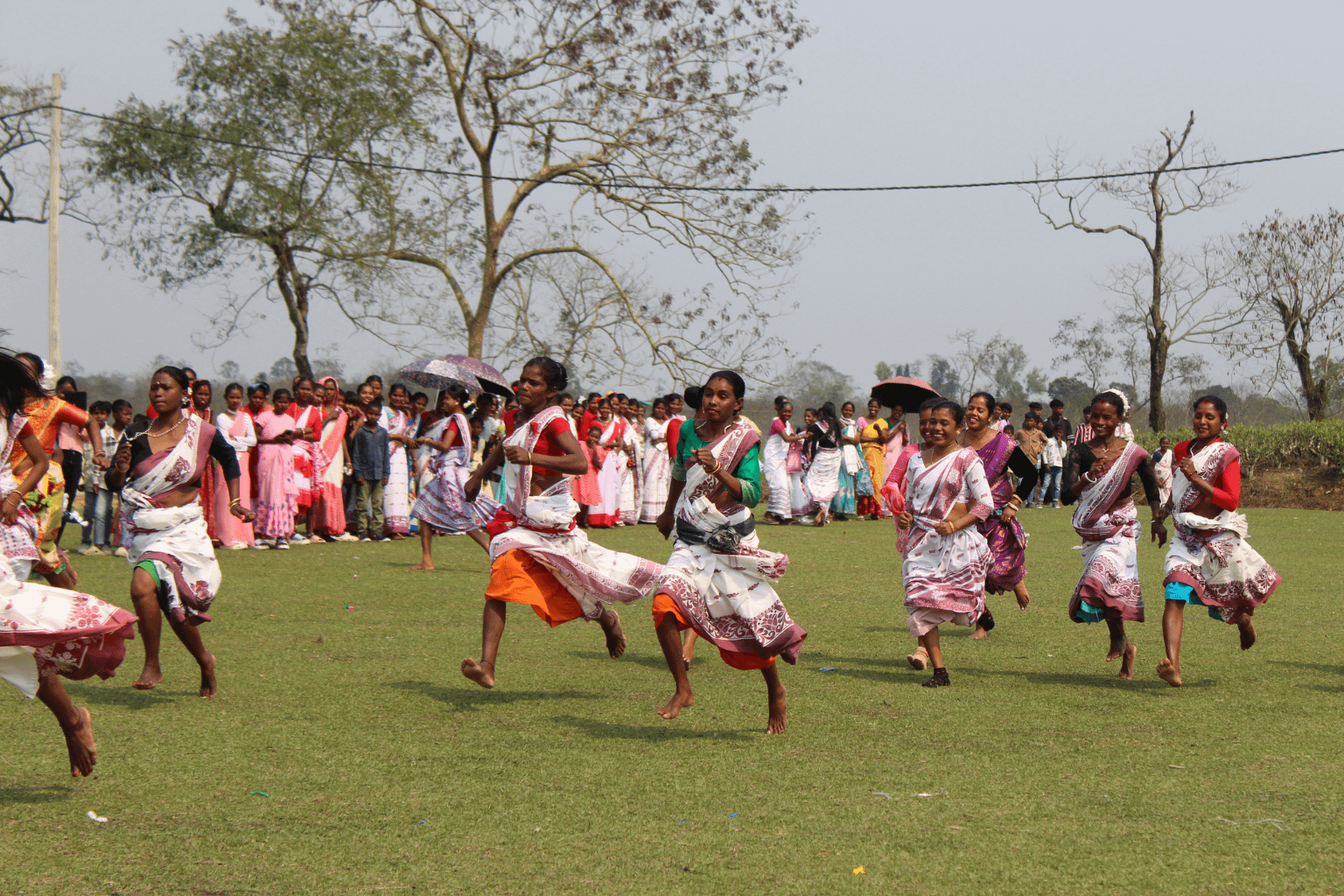
  • Discussions on women’s inequality as a social issue which impacts all of society have begun within targeted tea gardens.
  • The perception of gender equality among the primary cohort has improved and there has been noticeable growth in their leadership skills.
  • The primary cohort have been invited by the community to address issues of child marriage and violence, as well as facilitating discussions on health and nutrition and the gendered division of work.


In Sri Lanka:

  • Provision of technical training and building soft skills among women tea harvesters.
  • Engaging men through inclusion and awareness initiatives to mitigate and address issues that impact women and children.
  • Children of workers are being given opportunities for ‘dignified’ jobs (as perceived by the workers) in tea through the ‘Empower U’ initiative.
  • Capacity building with government authorities on gender grievance identification and handling.
Previous
Next
Key achievements:
35

primary cohort women were comprehensively trained on gender and leadership. 660 women, men and youth were identified as a secondary cohort (India)

42

eligible youth (children of tea workers) inducted as trainees in field, factory and office roles in Pathways to Leadership through the ‘Empower U’ programme (Sri Lanka)

245

females attended capacity building sessions on gender grievance identification and handling committees with senior government officials (Sri Lanka)

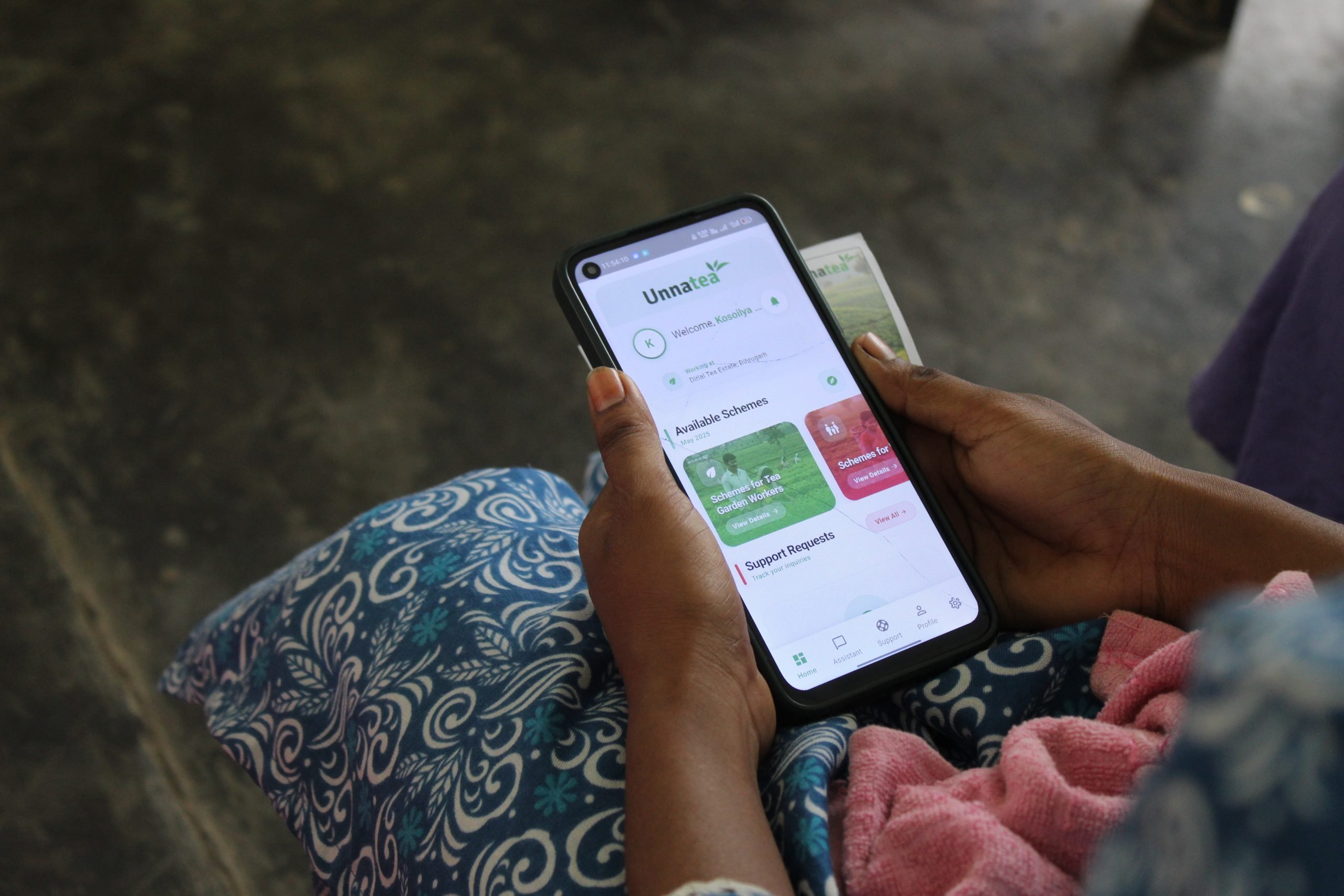
Unnatea

Development of a digital web application for women and girls to access social protection schemes by the government (India)

183

men and youth were engaged in awareness and training on issues impacting women (Sri Lanka)

108

management representatives were trained on gender, gender-based violence, and gender-sensitive budgeting (Sri Lanka)