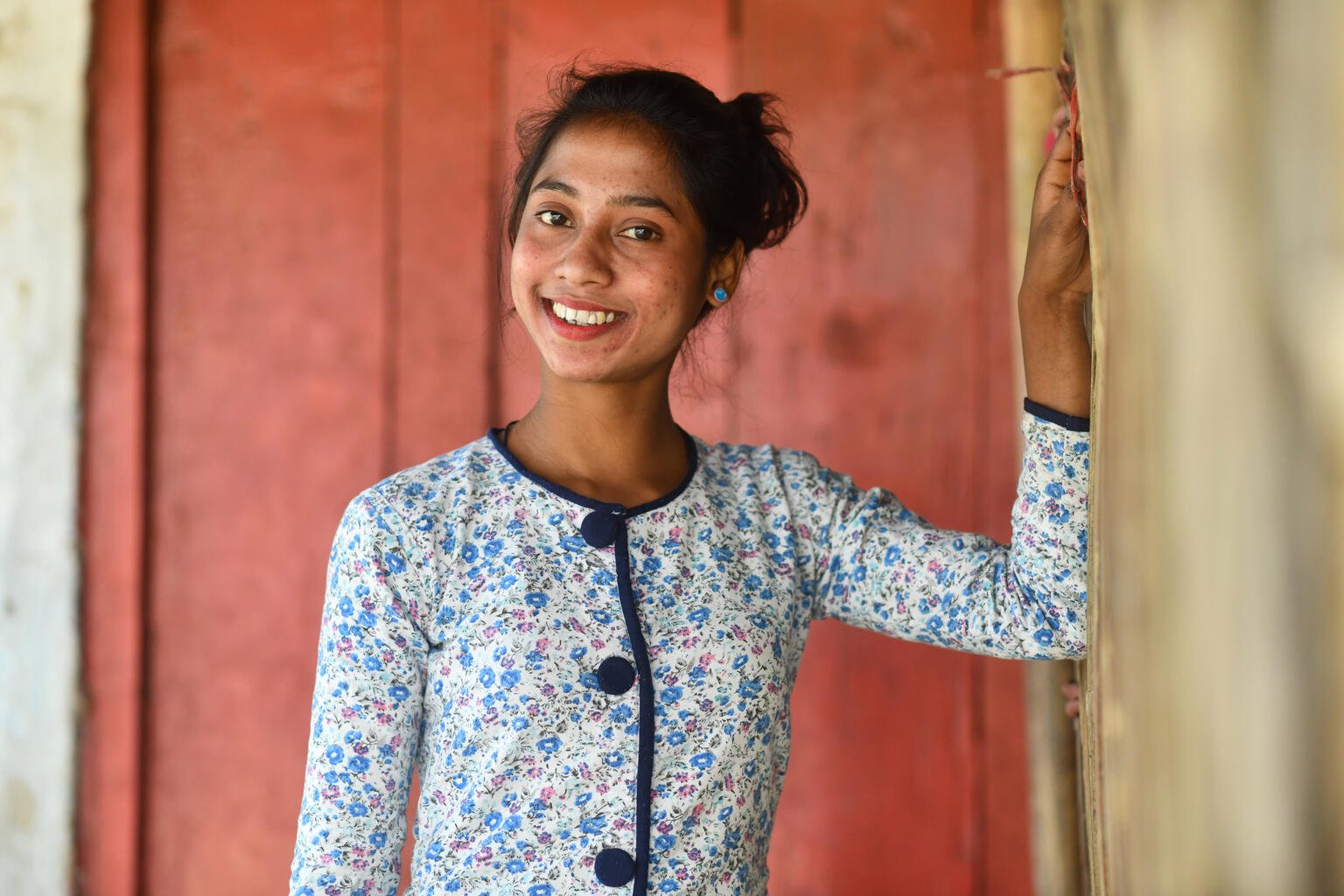
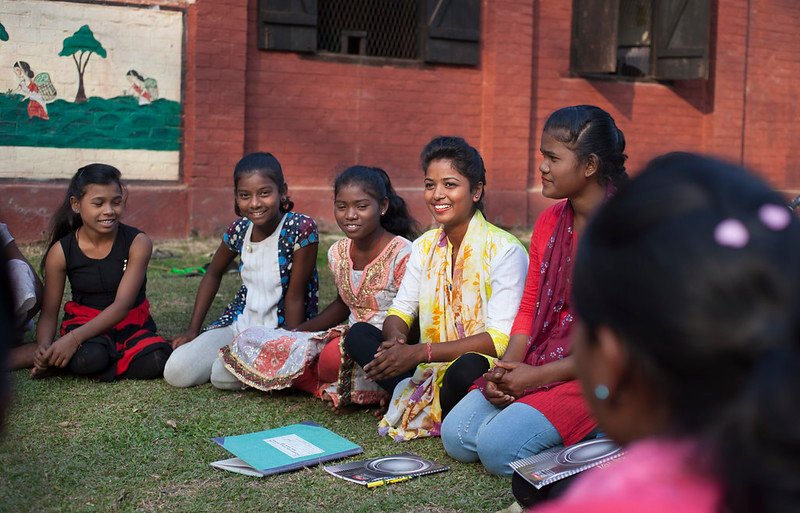
Reshama Karmakar, 23, a member of the Proagoti Adolescent Girls Group on Dikom Tea Estate, Dibrugarh, Assam, India.

UNICEF Improving Lives – Phase III

The third phase of our collaboration with UNICEF supporting communities in 205 Assam tea estates. 

A ground-breaking partnership reaching tens of thousands of children and women.

We have been working with UNICEF since 2014 to improve life for communities living and working on tea estates in Assam, India.

These communities face many challenges, including a lack of healthcare, poor nutrition, limited access to essential services, under-investment in education, and a need for enhanced child protection.

The Improving Lives programme aimed to improve the underlying issues impacting daily life for children and their families across almost one quarter of Assam’s tea estates.

  • 2022-2025
  • Status: Completed

Programme overview

The third phase of this programme aimed to integrate Family Friendly Policies into the workplace, improve gender equality, and introduce disaster-resilient infrastructure.

Programme partners

Third phase funding came from UNICEF, ETP, JDE, Ostfriesische Tee Gesellschaft GmbH & Co. KG (OTG), Taylors of Harrogate and The Starbucks Foundation.

Supriya, 14, at her family home in Deohall Tea Estate, Tinsukia District, Assam, India. She is an active member of the community youth group, with an avid interest in safe water and good hygiene. Image: Biju Boro/UNICEF
  • Help children attend pre-school and improving education quality so children could complete primary school and attend secondary school.
  • Support adolescents to protect themselves from violence, exploitation, and abuse, and to make communities safer.
  • Support all women, newborns, children and adolescents in the selected tea gardens to have access to quality healthcare and nutrition.
  • Strive for all households, workplaces, and facilities in tea gardens to have access to and use improved water and sanitation facilities.
  • Encourage engagement from the tea industry to deliver solutions to human and child rights challenges.
Reshama Karmakar, 23, a member of the Proagoti Adolescent Girls Group on Dikom Tea Estate, Dibrugarh, Assam, India.

Building on Phase I and II, Phase III of the programme shifted its approach to supporting dialogue between local actors. It:

  • Assisted government ministries to roll out services on tea estates.
  • Worked with tea estate management and two major tea associations to integrate family friendly policies into the workplace.
  • Collaborated with community platforms and leaders to build inclusive and sustainable governance.

Improving Lives is an example of the power of partnerships at scale – helping deliver systemic change address to root causes of some of the most complex issues people in tea face.

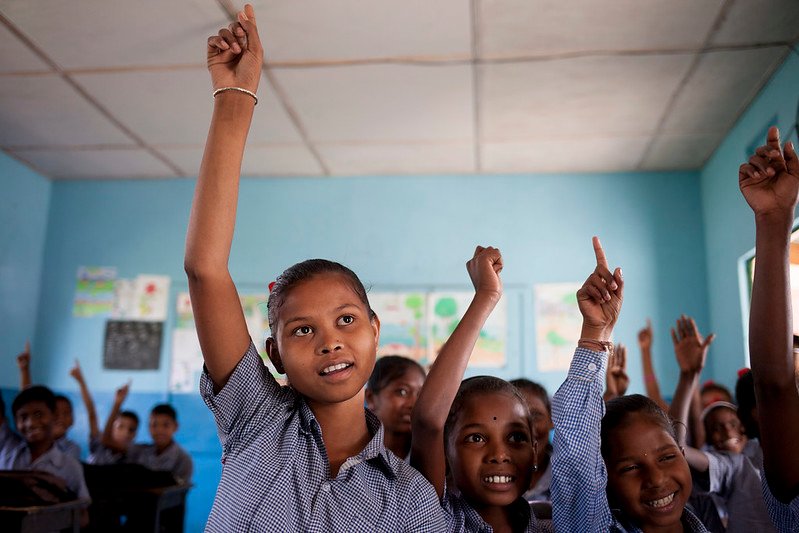
School pupils on the Hokonguri Tea Estate, Dum Duma, Tinsukia, Assam.

The programme delivered substantial impact across health, nutrition, WASH, disaster preparedness, child protection, financial inclusion, and social protection (please see some key achievements below). However, aligned with the focus of the phase III programme, these impacts were also supported by systemic change to facilitate long term sustainability of positive changes – by the end of the programme, all 205 tea estates had signed commitments to Child Rights and Business Principles (CRBP), embedding family-friendly and child-safe practices across the industry.

Previous
Next
Key achievements
205

tea estates, one quarter of Assam’s gardens. 300,000 community members reached.

96%

of children in 205 tea estates received age-appropriate vaccines through 1,400 sessions.

27,302

new household tap connections were installed, ensuring safe drinking water in 173 tea estates. 

99%

of Severe Acute Malnutrition (SAM) cases were effectively identified and referred/treated.

over 37,000

adolescents engaged in 490 groups; in 2024, 3,344 adolescents were trained on economic empowerment and social protection.

1,630

new toilets constructed and 9,284 toilets retrofitted, improving sanitation facilities in tea estates.

2,752

women opened bank accounts in 2024 (up from 450 in 2023), and 100% of pregnant women enrolled in maternity benefit schemes in 105 gardens

in 2024, 86%

of pregnant women registered in the first trimester (up from 18% in 2018).