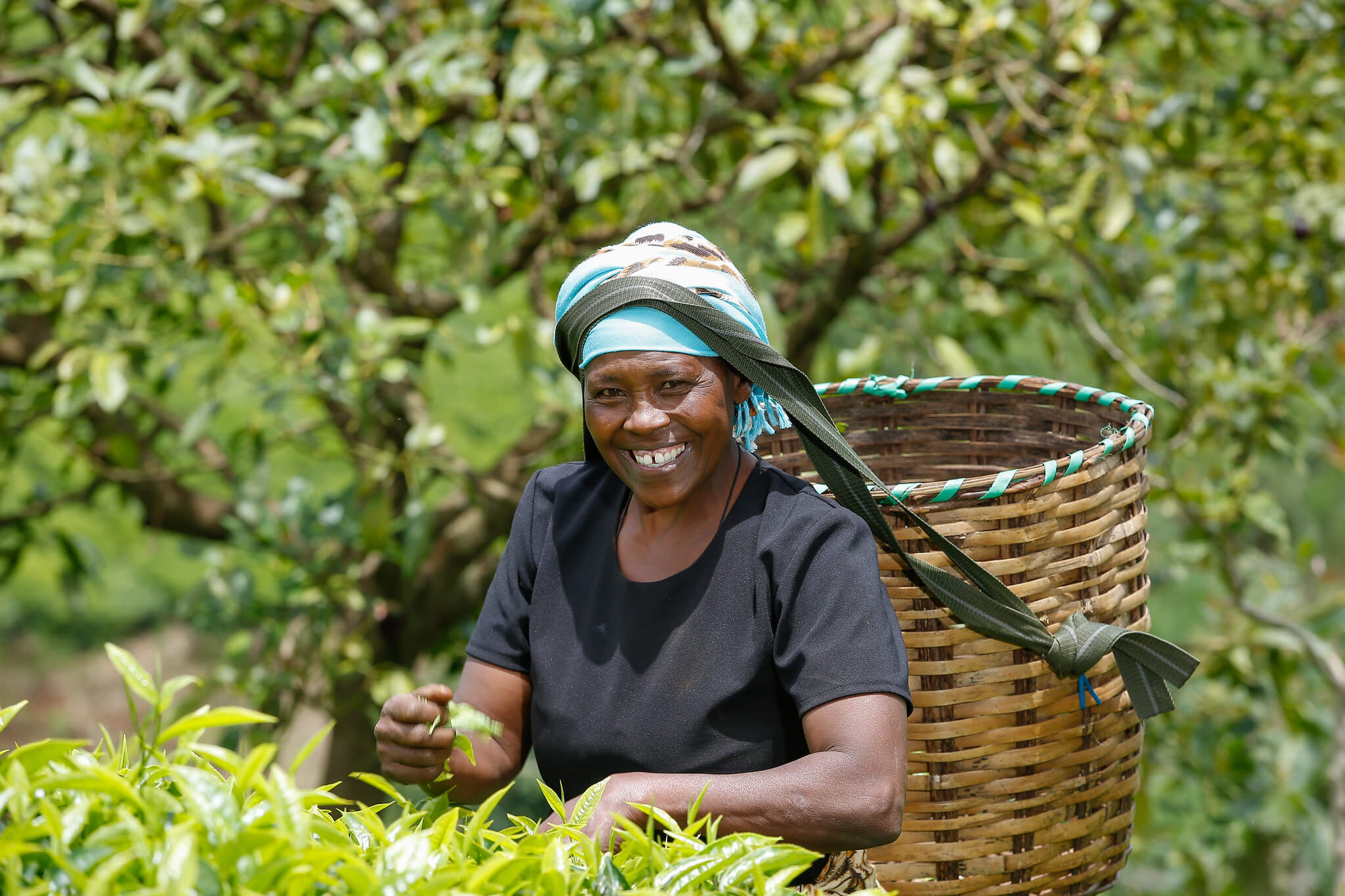
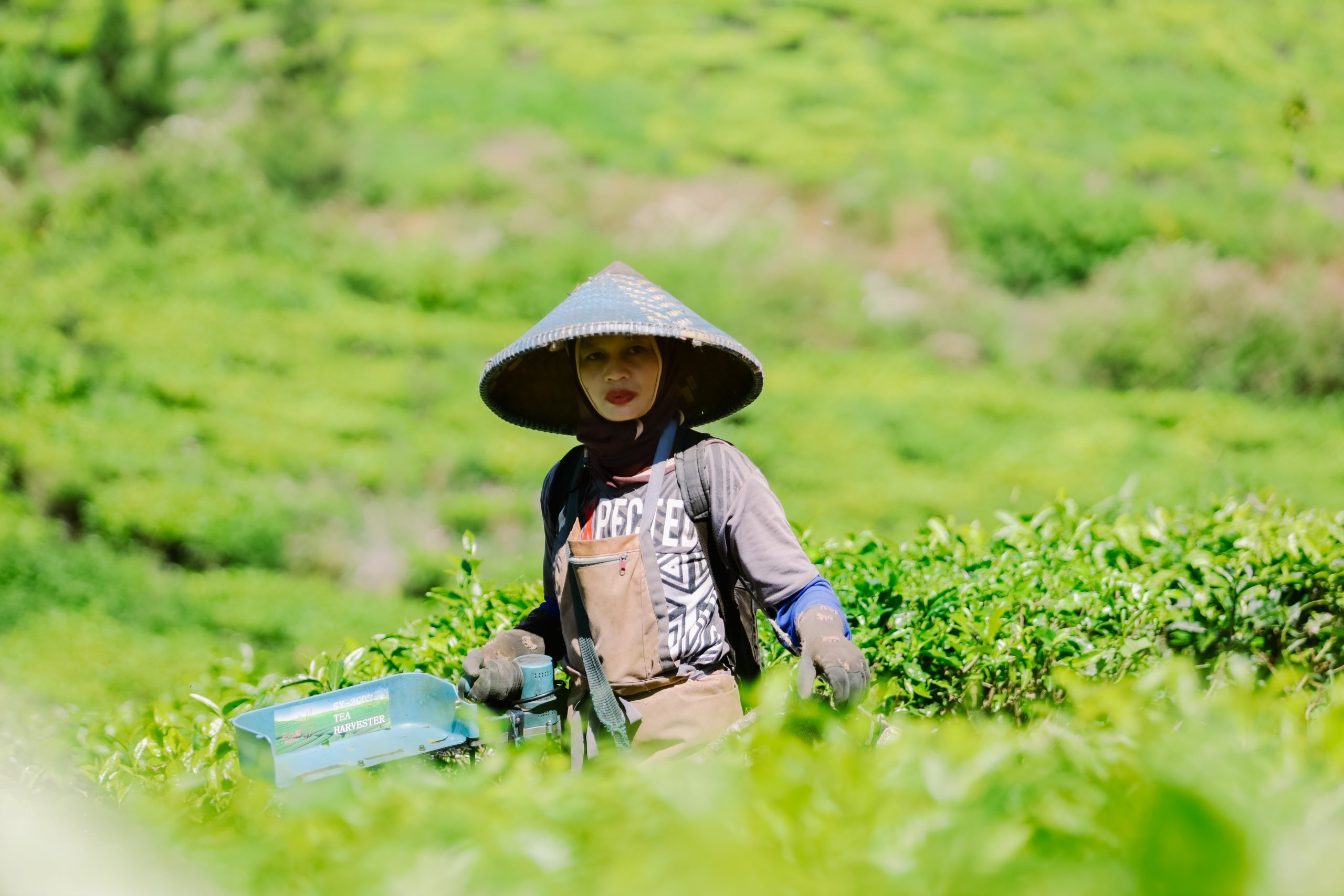
Rose Njeri plucking tea in a tea estate she owns with her husband in Makomboki, Murang'a County, Kenya. Our Tea, Our Voice will support women tea workers in Indonesia, Kenya and Rwanda to speak out, be heard, and shape their own futures. Image: ETP
Most tea is hand picked for better quality to avoid any bruising on the tea leaves in comparison to machine picking method. Makomboki, Murang'a County, Kenya. Image: ETP

Our Tea, Our Voice

A three-year, multi-country programme with a transformative approach to women’s leadership and gender equality.

Supporting women tea workers to speak out, be heard, and shape their own futures

The Our Tea, Our Voice programme addresses the exclusion of marginalised groups in the tea value chain, including women, youth, and people with disabilities. We are working to ensure that these groups can participate in decision-making and are recognised within leadership structures.

In appreciating the central role of these key groups in the tea value chain, the programme helps build their confidence and leadership skills to gradually shift community attitudes towards inclusive leadership. In parallel, we are working to advocate for equitable policies in the tea sector in the three countries.

We are addressing discriminatory norms and restrictive gender roles that limit women’s voice and agency. These norms include: a lack of access to education, primary responsibility for unpaid care work, low levels of decision-making at household level, a lack of agency in sexual and reproductive health choices, negative narratives about women’s capability as leaders, and social norms which prohibit women from working closely with men.

  • 2023-2026
  • Status: On-track

Programme overview

Multi-country initiative, co-funded by the German development agency GIZ, that will promote transformative leadership through women’s inclusion. We are harnessing the power of the private sector, which plays a critical role in driving responsible business by adopting key performance indicators on human rights, investing in their supply chains to tackle inequality, and sharing best practices within the industry.

Programme partners

ETP, the Deutsche Gesellschaft für Internationale Zusammenarbeit (GIZ), R.Twining and Co Ltd., Ringtons Ltd., and Ostfriesische Tee Gesellschaft GmbH & Co. KG (OTG). 
Grace Nyambura, a nurse at Mairi Dispensary, Murang'a County, Kenya. Our Tea, Our Voice will support women from communities producing tea in Indonesia, Kenya and Rwanda to speak out, be heard, and shape their own futures. Image: ETP

Our Tea, Our Voice aims to support women – including young women, informal workers, and migrants – to be confident in their ability to hold leadership positions.

The three-year programme will promote and normalise women as equally capable leaders and decision-makers, to ensure they are valued in all spheres of their lives, and by all community members.

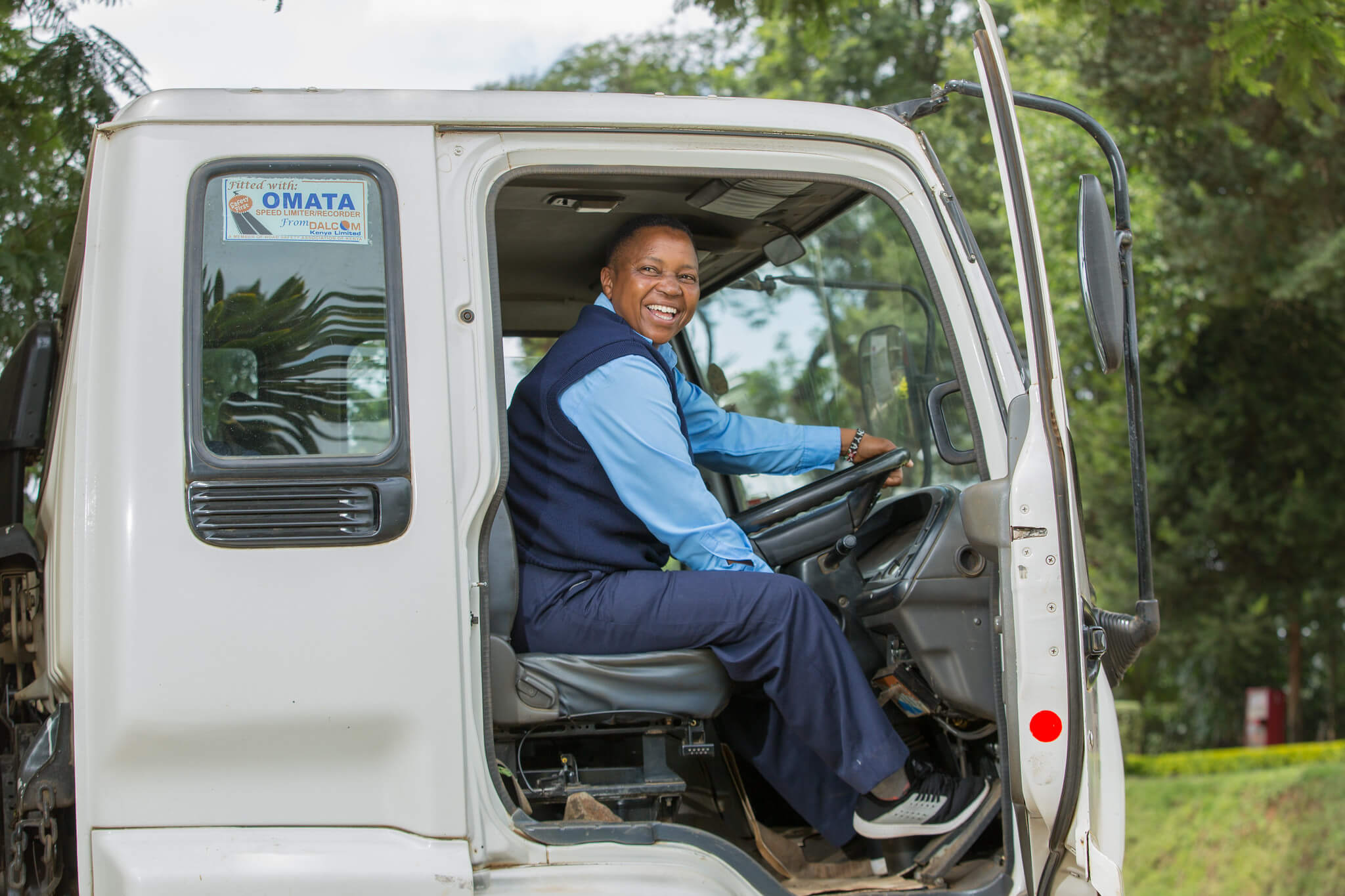
Truck driver Irene Karimi Muchira, Kimunye Tea Factory, Kirinyaga County, Kenya. Our Tea, Our Voice will support women tea workers in Indonesia, Kenya and Rwanda to speak out, be heard, and shape their own futures. Image: ETP
  • Roll out of a leadership curriculum that addresses themes related to gender equality and inclusive leadership
  • Promotion of gender equitable policies and by-laws
  • Promotion of workplace leadership targets/quotas
  • Identifying and mentoring gender champions
  • Offering mentorship opportunities for aspiring women and youth leaders
  • Positive social messaging (social and behaviour change communication)
  • Holding gender sensitisation dialogues
Women tea pluckers in Makomboki, Murang'a County, Kenya. Our Tea, Our Voice will support women tea workers in Indonesia, Kenya and Rwanda to speak out, be heard, and shape their own futures. Image: ETP

In Rwanda, ETP organised an inception and Theory of Change design workshop. Industry participants gained a collective understanding of gender gaps in the Rwandan tea sector and how the programme will contribute to addressing these gaps. An onboarding workshop of six tea companies and six tea cooperatives was jointly convened by ETP and local partner FERWACOTHE. We also identified a gender expert partner, a local NGO with significant experience in challenging existing gender norms in Rwanda. 

In Kenya, the recently concluded mid-term review has iterated that meaningful progress has been made in advancing women’s leadership within the tea sector. Evidence shows that women are increasingly contesting and winning leadership positions, and that community support for women in leadership has strengthened significantly, with more than 95% of respondents affirming the importance of women’s participation. These shifts represent critical gains, with women and men alike beginning to challenge entrenched gender norms and recognising the value of inclusive leadership.

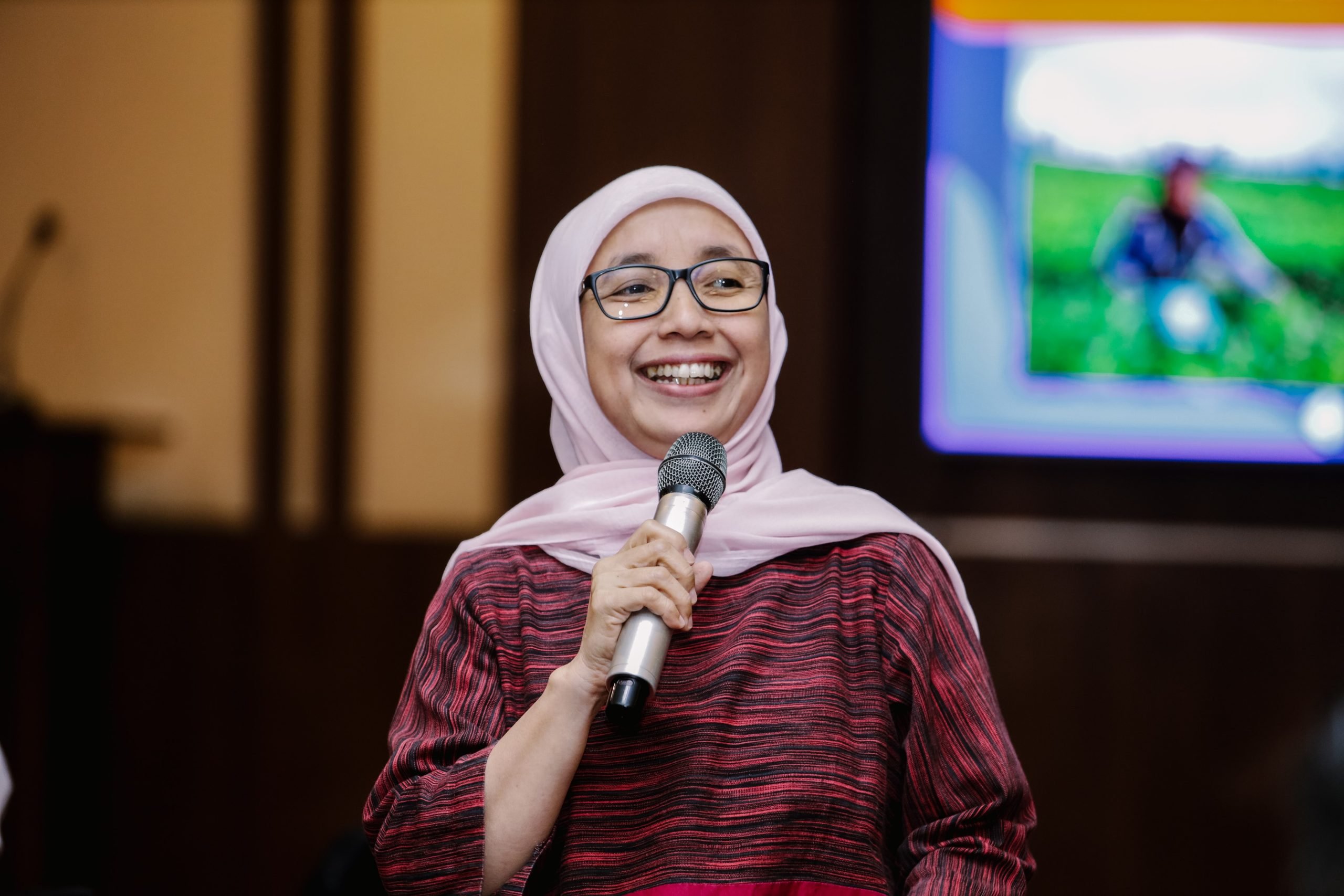
In Indonesia, through informal meetings and participatory learning, the programme has helped create safe spaces where workers, especially women, can voice challenges and build trust with management. Using creative methods like storytelling and role-play, complex issues are being made more accessible and engaging. As a result, women feel more confident, empowered, and active in community dialogue and decision-making. 

Previous
Next
Our achievements:
Enhanced confidence

and leadership capacity among women and youth through upskilling via the leadership curriculum. 

Formation of networks

for collective action, including youth and women’s networks. 

Male allyship,

where we have seen an increasing number of men participating in gender equality promoting activities. 

Inclusion of men

in programmes targeting vulnerable groups.