Empowering Tea Growing Communities in Indonesia

Addressing inequalities faced by women workers in West Java’s tea sector.

Applying the innovative Community Development Forum model to Indonesian tea

Applying the innovative Community Development Forum (CDF) model to Indonesian tea.

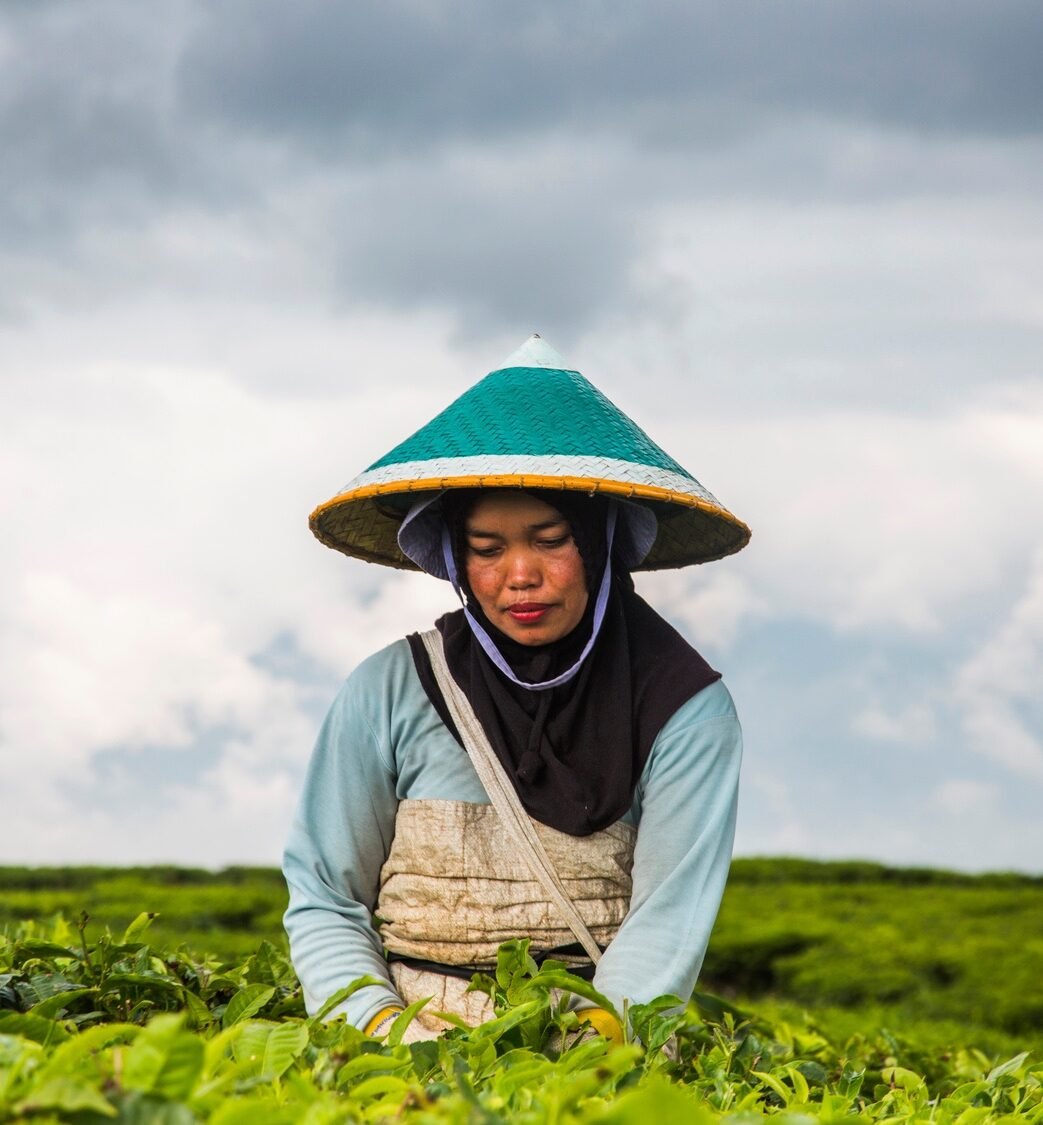
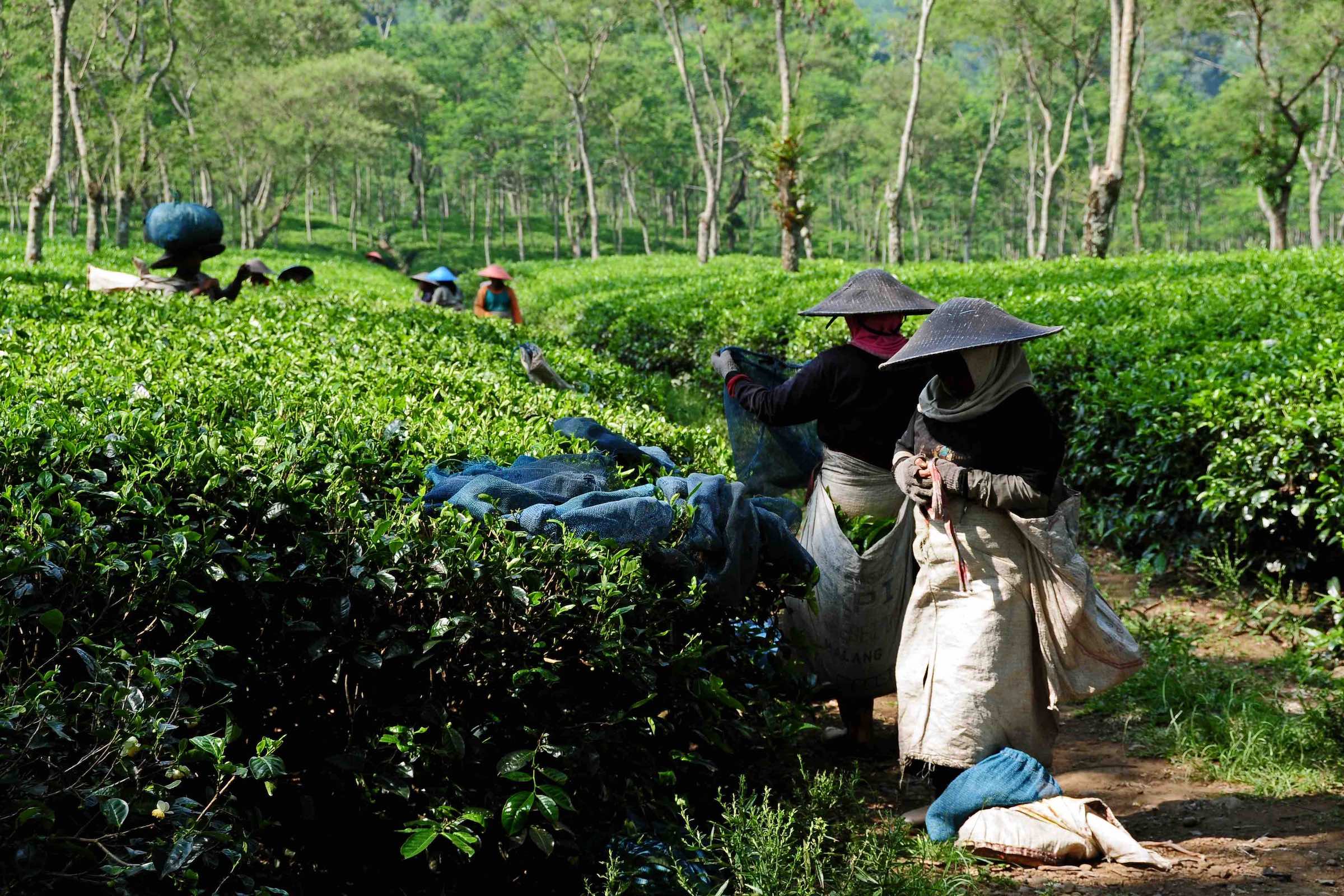
In Indonesia’s tea gardens, women represent a significant majority of the workforce, but mainly in the lowest paid tea plucking jobs.

Many have received little education, lack financial empowerment or bank accounts, and are discriminated against at work. Yet they have no other options available.

ETP is working with Yayasan CARE Peduli (YCP) to reach up to 1,400 tea workers in three Indonesian tea estates, with a special focus on women. This programme aims to empower women to improve their own lives through the creation of dedicated grassroots forums and support systems.

  • 2023-2026
  • Status: On-track

Programme overview

The Empowering Tea Growing Communities programme helps strengthen tea plantation communities in West Java through women-centred, rights-based approaches. By establishing CDFs, it helps foster inclusive governance, develop Plantation Development Plans, and address health, gender, protection, WASH, education, and livelihoods issues, aiming to build resilience, equality and sustainable productivity across plantations.

Programme partners

Twinings, Starbucks, Tazo (Lipton)
Tea picker in Indonesia

The programme aims to improve the well-being and resilience of tea plantation communities in Indonesia by placing women’s rights at the centre of change. It seeks to empower communities to identify key socio-economic challenges, facilitate inclusive governance, and support CDFs to design and implement Plantation Development Plans which address priority needs in health, nutrition, gender, protection, WASH, and livelihoods.

At the same time, the programme advocates for the replication of the CDF model across other plantations and companies, highlighting its potential to advance gender equality, community welfare, and overall productivity.

The programme works to deliver change by:

  • Establishing and supporting CDFs to facilitate open dialogue between tea estate management, workers, and the wider community.
  • Providing leadership skills training to community members, particularly women.
  • Establishing Village Savings and Loans Associations to support economic empowerment and improved livelihoods.
  • Improving local access to nutrition and water, sanitation, and hygiene services.


We will also promote the adaptation and replication of the successes of this approach across other tea plantations and companies in Indonesia.

The programme has helped improve the well-being of tea plantation communities by advancing gender equality and resilience. Women workers now have safer, more supportive workplaces with lactation rooms and sanitation facilities, while training in gender and leadership has empowered women to take part in decision-making. CDF-led enterprises and market initiatives have created new income opportunities, and education support has strengthened families. These efforts have contributed to building greater trust and collaboration between workers, management, and communities, transforming plantations into more equitable, inclusive and productive environments.

Previous
Next
Key achievements:

Strengthened worker–management relations through CDF dialogue and advocacy, resulting in improved workplace facilities.

Women’s empowerment & leadership development via gender, communication, and advocacy trainings, increasing women’s input in decision-making. 

CDF work plans, facilitating concrete community-driven initiatives in response to priority issues identified by communities. 

Establishment of women-led enterprises for example in dried lemon processing, coffee production and fertiliser sales, creating new livelihood opportunities. 

Expansion of education and local market initiatives, supporting children’s learning and boosting household resilience. 

Protection systems against workplace violence through company mechanisms and SAPPANA (the Women and Children Protection Task Force).