November, 2024

The joy of learning: Joyful Learning Centres (JLC) in Assam’s tea estates

Our India Country Manager, Ranjana Das, discusses the steps being made to address factors affecting school attendance in Assam.

The challenges Assam faces in education

A landscape study conducted in Assam during 2023 found that education is the most significant concern for people living and working in tea estates. In almost one-third of all focus group discussions, education was the predominate worry.

Dropouts or irregular attendance are some of the key issues identified by the communities as central to this anxiety; in Assam, for 2022-23, the average annual dropout rate in lower primary rose to 8.49%, whilst in upper primary it climbed to 10.33%, against a backdrop of continuous acceleration over the past few years.

This resonates in the tea gardens as well – reasons for school dropouts include a lack of enforcement from parents in children attending school due to being first-generation learners and consequently less aware of the value of a formal education. Young girls often face the additional burden of being required to support with household work and look after younger siblings. 

Establishing Joyful Learning Centres

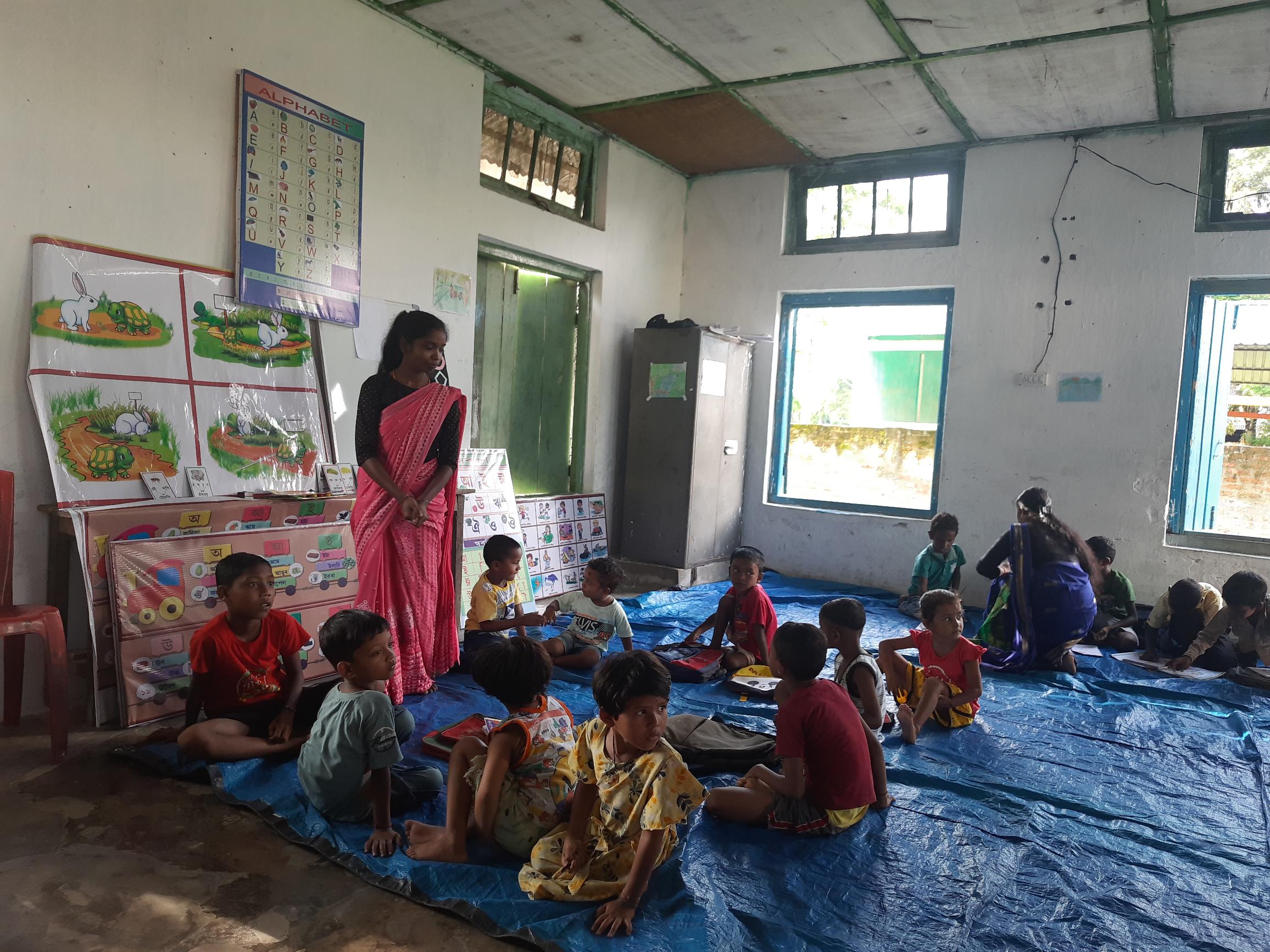
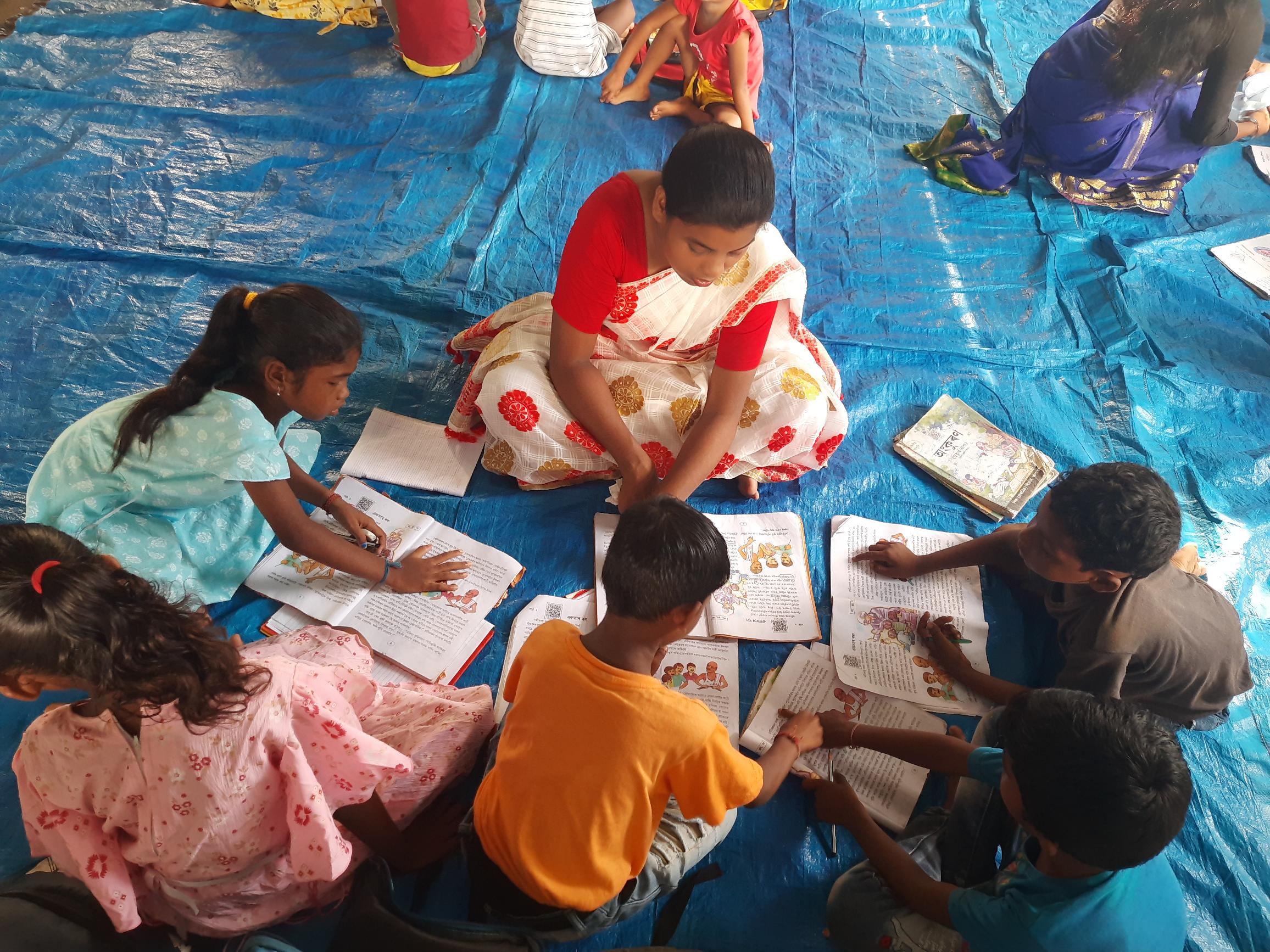
To address this, ETP, under its flagship Plantation Community Empowerment Programme (PCEP), has initiated an intervention called Joyful Learning Centres (JLC). The JLCs are the first of their kind within a tea garden context: they identify children who have dropped out, or even those still attending school but who require additional support and provide them with informal education so that they can return to mainstream schools, where the JLC help with enrolment.

The centres are autonomous, with the Community Development Forum (CDF) playing a crucial role in terms of identifying the site location and the teachers to run the centres. The teachers (popularly known as JLC facilitators) are youths from within the tea estates who are selected through an interview process and paid by community contribution. ETP has supported in planning the centres, strategising how to engage children (through training the CDF members to conduct surveys within lines to identify children who have dropped out), and providing training to the JLC facilitators. The JLC facilitators are supported to conduct sessions using fun and captivating methods for children, like storytelling, folk tales, paintings, poems, song, and dance. The curriculum is extended to educate on basic life skills, like water, sanitation, and hygiene (WASH) practices, moral science, and civic practices.  

JLCs are a community-based education model that strengthen the primary education within tea estates, making them readily accepted by tea producer companies.

Today, there are 29 JLCs active across 20 PCEP intervention gardens covering approximately 1,000 children.  

“After coming home from school my children would immediately leave to play with other children in the lines and colonies. They would not even do their homework! But now I see a change, they are more disciplined, they do their homework regularly and are conscious about cleanliness and hygiene.”

– Julie Proja, a resident of Addabarrie Tea Estate and a mother of three, with two school-going children who attend the JLC Centre II in New Addabarrie division.

Training JLC facilitators

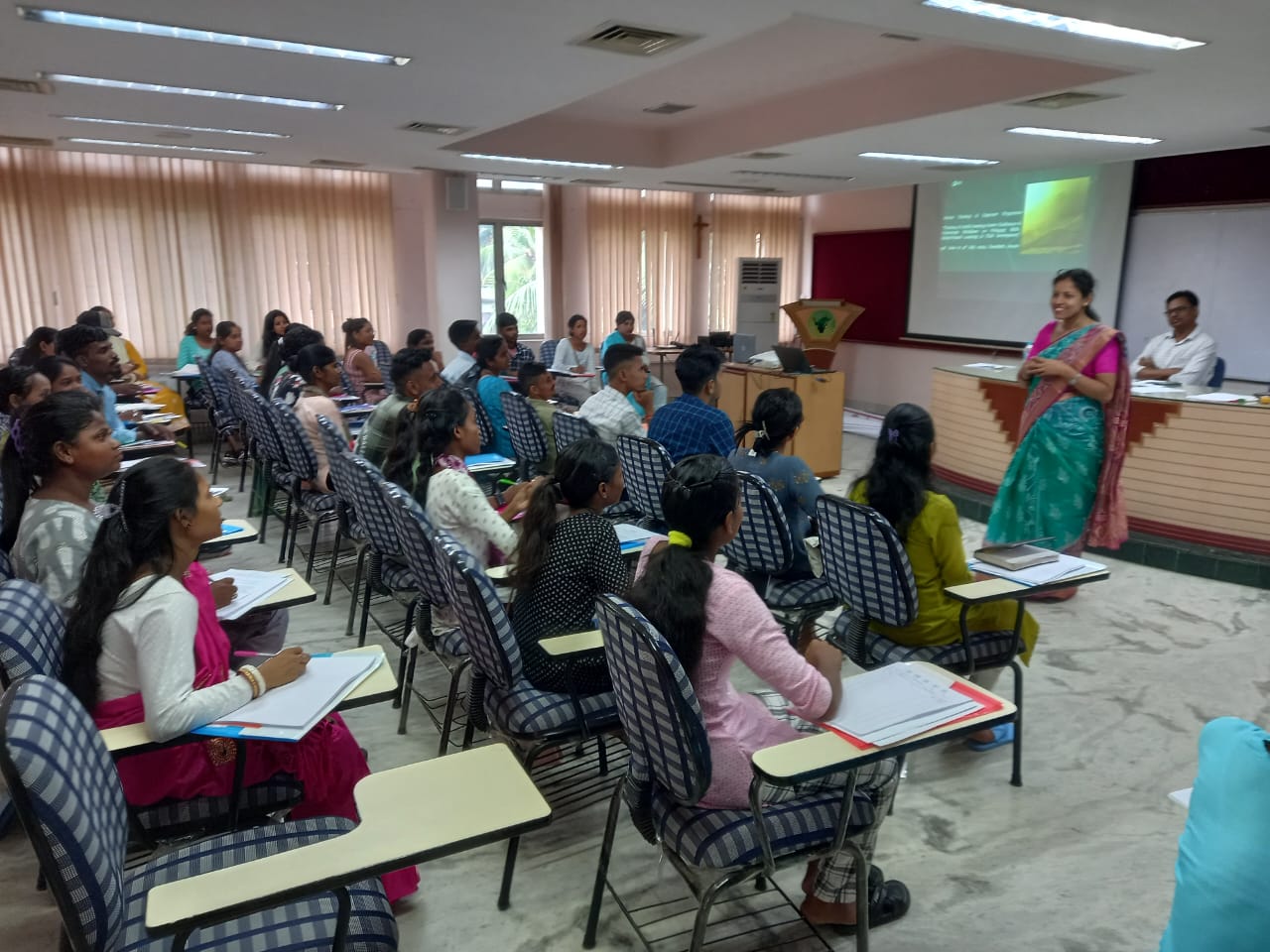
In collaboration with the Assam State Education Department, ETP’s training was attended by 29 JLC Facilitators. They were trained on pedagogy, creating a curriculum for children and on various methods to make primary education more interesting and engaging. For many attending the training, it was their first time away from home, and some shared how it has been one of their greatest life experiences. During the training, they collectively designed teaching and learning materials which they will use during their sessions. 

The Joyful Learning Centres evoke key learnings for ETP, as follows:

    • They provide a working example of responding to community needs, avoiding using a top-down model.

    • This is a community led model, with only technical support from ETP. The teacher’s salary comes from both parent and community contribution, with the producer companies able to offer additional investment if needed and agreed by all parties.

    • It is a well-accepted model by companies as it answers the need for children’s education, which is seen as part of their human resource development within tea estates.

The success of the JLCs has led to requests for further expansion, and considerations are currently underway to determine how this can be implemented so that more families can benefit from such a vital boost to their children’s education.