July, 2024

Meet our new Interim Executive Director

Bringing the industry together to drive change.

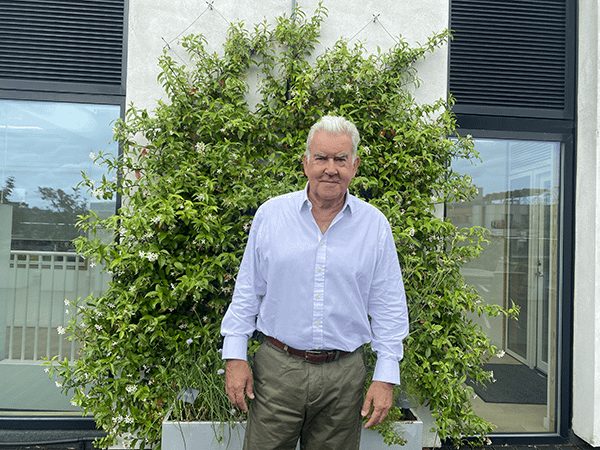
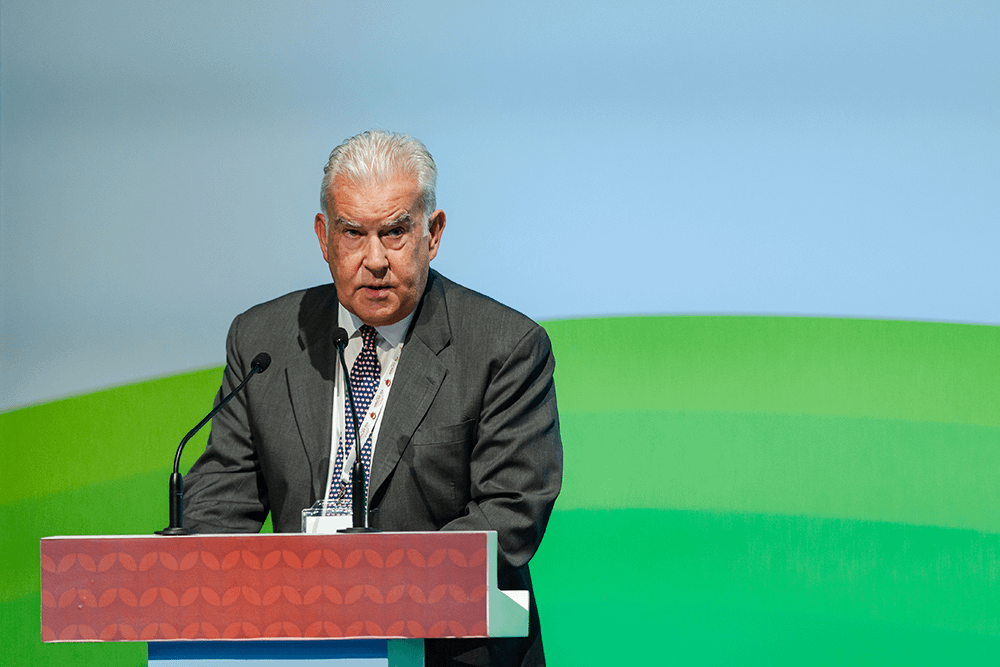
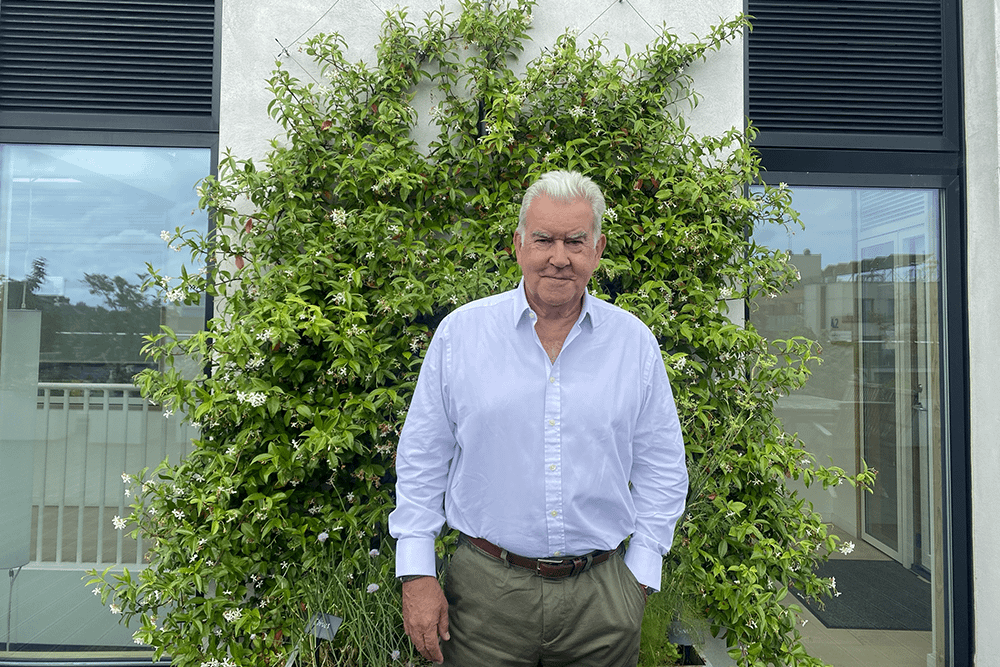
At the start of July 2024, ETP’s Board of Directors appointed Martin Short as Interim Executive Director. His appointment came as ETP’s Executive Director, Jenny Costelloe, stepped aside for medical leave.

Now a couple of weeks into the role, Martin shares his thoughts on the opportunities ETP has to catalyse long-term, systemic change.

Initial reflections

Since leaving the private sector, I have focused on addressing key development issues to drive long-term impact. At ETP, I am looking forward to combining my awareness of global sustainability challenges with my understanding of supporting communities within agricultural supply chains.

My tenure at The Power of Nutrition focused on addressing stunting and undernutrition in mothers and children under five. At The World Cocoa Foundation, I worked closely with supply chain actors to tackle poverty, child labour, and deforestation.

“I am keen to hear from companies who share our vision of a thriving, socially just, and environmentally sustainable tea sector.”

Now, at ETP, I am committed to uniting our members and the wider sector players to catalyse long-term, systemic change to benefit everybody who works in tea – especially people in tea-producing regions. Building on Jenny’s achievements, my goal is to bring together our members and partners to ensure that ETP’s impact on the tea supply chain is long-lasting.

Addressing industry challenges

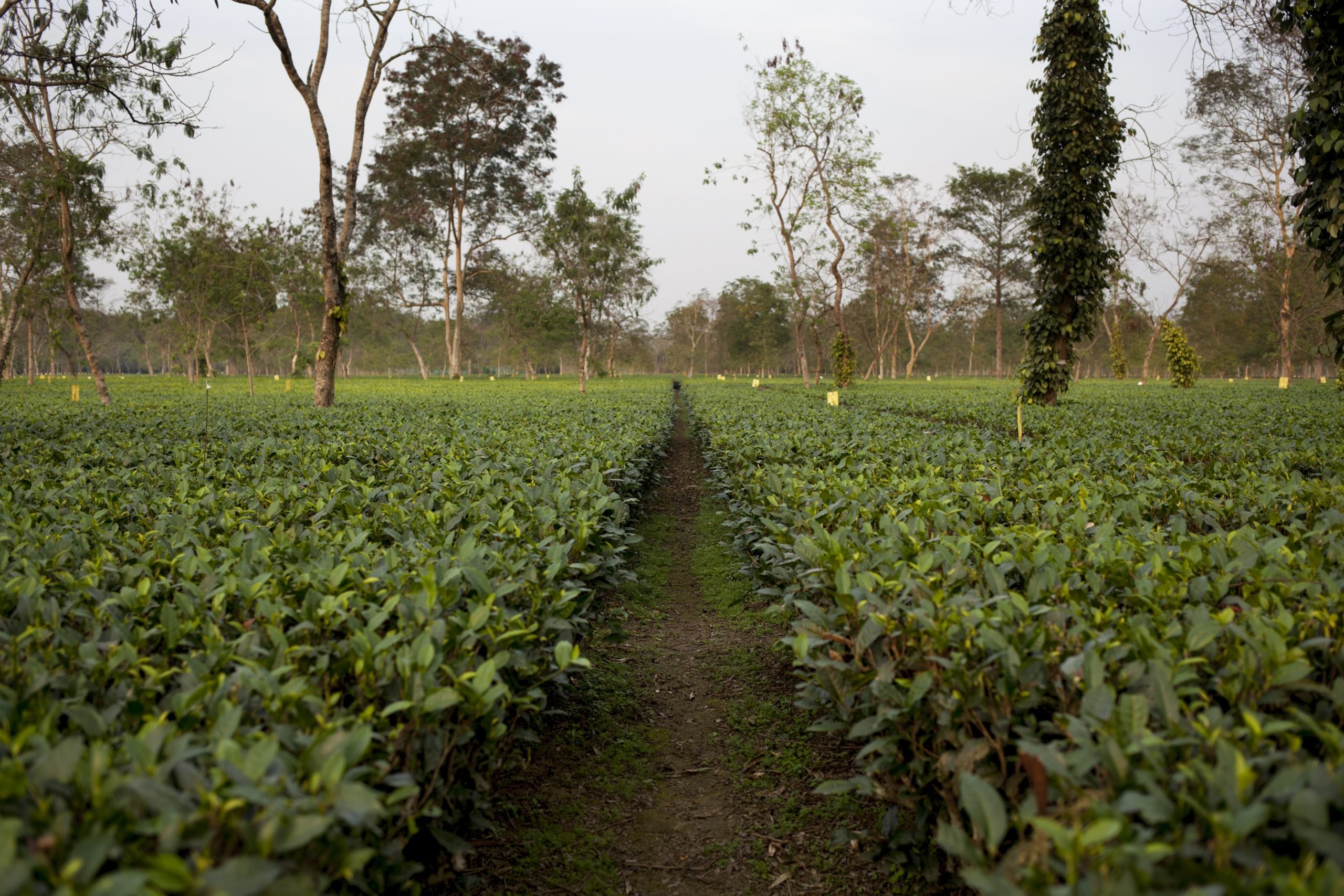
In my initial discussions with our members, it has been unsurprising to see the similarities between the challenges facing the tea industry and those I have encountered in other commodity crops. Agricultural supply chains are often highly labour-intensive, fragmented, underrepresented, with many workers living in poverty. These conditions are ripe for exploitation and inequity. The reality for many tea workers is a life of subsistence. Tea-producing regions face complex and systemic obstacles, from low wages and incomes to unsafe working conditions, gender inequality, and climate change.

“Every business involved in the supply chain has a duty to act responsibly and be accountable to all stakeholders.”

Fortunately, it seems that change is in the air. Gone are the days when actors could simply claim responsibility for only their specific part of the supply chain. Today, every business involved in the supply chain has a duty to act responsibly and be accountable to all stakeholders. We all own the whole supply chain.

As a membership organisation, we are uniquely positioned to unify our members’ efforts to ensure that tea is free from exploitation, violence, and coercion. Working together, we can influence governments, regulators, and those with the power and resources to address the issues at play in the tea sector.

The value of collaboration

Bringing together diverse partners to drive positive change is at the core of ETP’s mission, and we, along with our members, recognise the impact of collective action. I firmly believe that a fragmented approach to addressing social and environmental challenges will only take the tea industry so far. At ETP, we see collaboration as vital to making long-lasting progress on the complex, systemic challenges facing the sector.

As a membership organisation, we support our members to collectively embed responsible business practices – not least by raising the bar for what it means to be a member of ETP. We are currently rolling out our new membership criteria, which will see ETP members committing to five principles to progress social and environmental issues in tea.

“As a membership organisation, we support our members to collectively embed responsible business practices – not least by raising the bar for what it means to be a member of ETP.”

To develop our revised criteria, the team reviewed current best practice and emerging global legislation on responsible business conduct, and translated this to a tea-specific context – in consultation with our members. We aim to foster corporate accountability by requiring members to begin embedding human rights and environmental due diligence (HREDD) in their policies and practices.

We’re here to support members and are creating a comprehensive suite of HREDD support materials tailored to tea. Our resources will help members adhere to not only our new criteria, but broader regulatory requirements – and learn from each other as they do so. This move has been widely welcomed by our members, who appreciate that together they can have a greater impact and drive for meaningful change.

Looking to the future

The principles underpinning our new criteria recognise that responsible business conduct in all operations, functions, and processes is the cornerstone of achieving economic, social, and environmental objectives. We know that there is simply not enough public capital to solve the world’s development issues. We need to continue to embrace and mobilise the private sector’s resources and expertise, whilst also influencing government and stakeholders to create an enabling environment that positively impacts people in tea.

At ETP, we welcome working with new, diverse partners to evolve new ways of tackling the issues in tea. I am keen to hear from companies who share our vision of a thriving, socially just, and environmentally sustainable tea sector.

Get in touch to explore how you can support our work and drive meaningful impact. Let’s work together towards a more sustainable future for tea.