December, 2024

It’s a wrap on 2024: the year in review at ETP

It’s the season for reflection, as we consider what defined 2024 and how this shapes the year ahead, whether through predictions, resolutions or lessons learned. It’s a time of celebration and introspection: no single year tells just one story. Instead, it’s about identifying key milestones that together paint a bigger picture.

At ETP, this picture wasn’t just ours; it was shaped by the contributions of our members, partners, and collaborators. This year reminded us how crucial it is to harness the insights and experience of every supply chain actor to build momentum and substantiate real change.

2024 has seen us build and evolve our footprint. We were delighted to welcome leading UK retailer Sainsbury’s, along with packers Thompsons Tea, Good and Proper Tea, and The Tea Makers of London, into our growing membership. We also enhanced our presence in region with Country Managers Brian Ngwiri in Kenya and Rohith Peiris in Sri Lanka.

Our country teams play a crucial role in delivering our impactful programmatic work; central to achieving our mission. Programme highlights this year included establishing initiatives such as the Dessford Community Kitchen under our Women in Tea programme in Sri Lanka, helping provide parents like Yashodhari with nutritious food for their children. Our Plantation Community Empowerment Programme in India continued to have meaningful impact. For example, individuals like Jinita Das Digal were involved in running Community Development Forums, which play a vital role in helping women on tea estates feel more confident and safe.

Launched in March, our Global Impact Framework, provided a robust structure for monitoring, evaluation, and learning data across our programmes, as well as highlighting our wider reach across the industry. Unique to tea, our Framework enhanced collaboration with members, partners, and the sector by communicating our impact with greater transparency and accessibility.

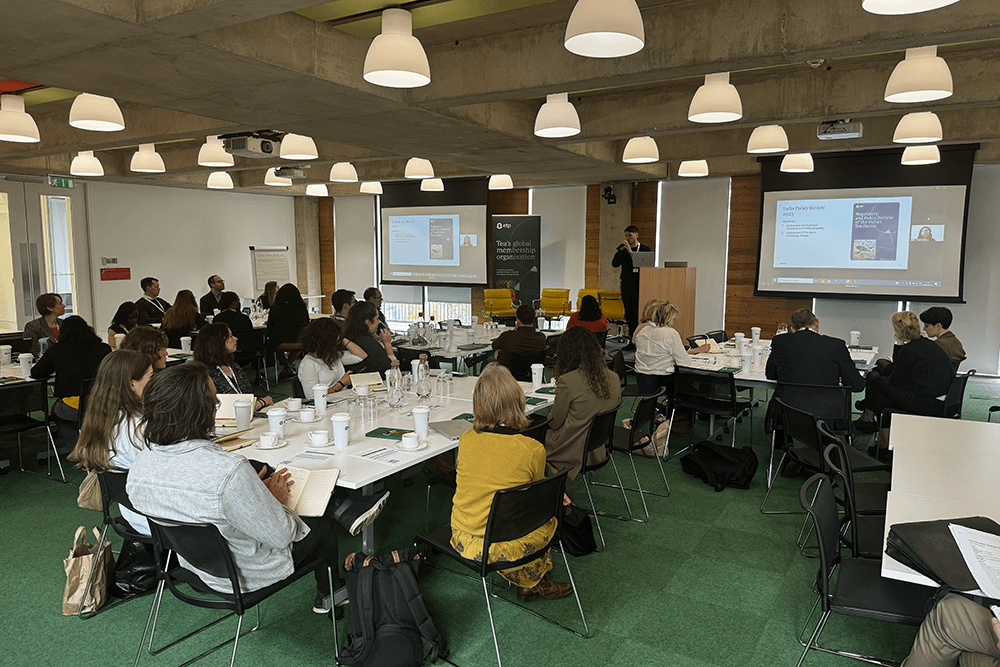
Our Members’ Strategy Day followed, and convened our members for practical discussions on pertinent issues across tea’s supply chain. It opened space for shared learning and understanding in light of growing legislative pressures on businesses for Human Rights and Environmental Due Diligence (HREDD).

The ETP Members’ Strategy Day 2024

We took the opportunity to launch our new membership criteria at Members’ Strategy Day to our membership. The aim of our new criteria is to make membership a meaningful indicator of our members’ commitment to responsible business conduct. By intentionally aligning our criteria with HREDD legislation, our members will be better equipped to navigate increasing regulatory demands, while also setting a higher standard for sustainability in tea.

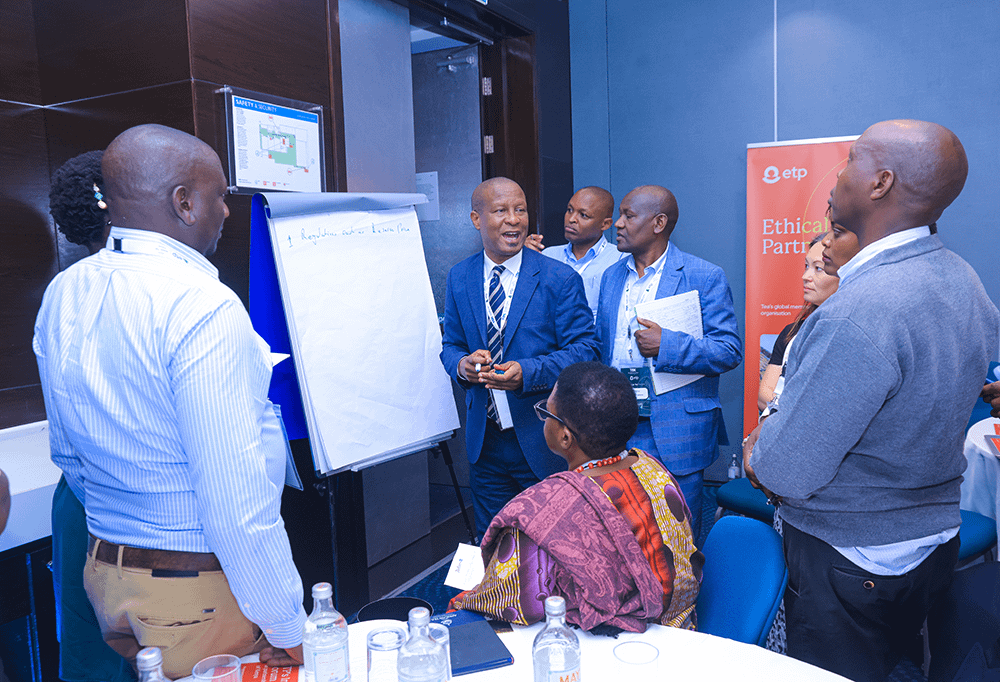
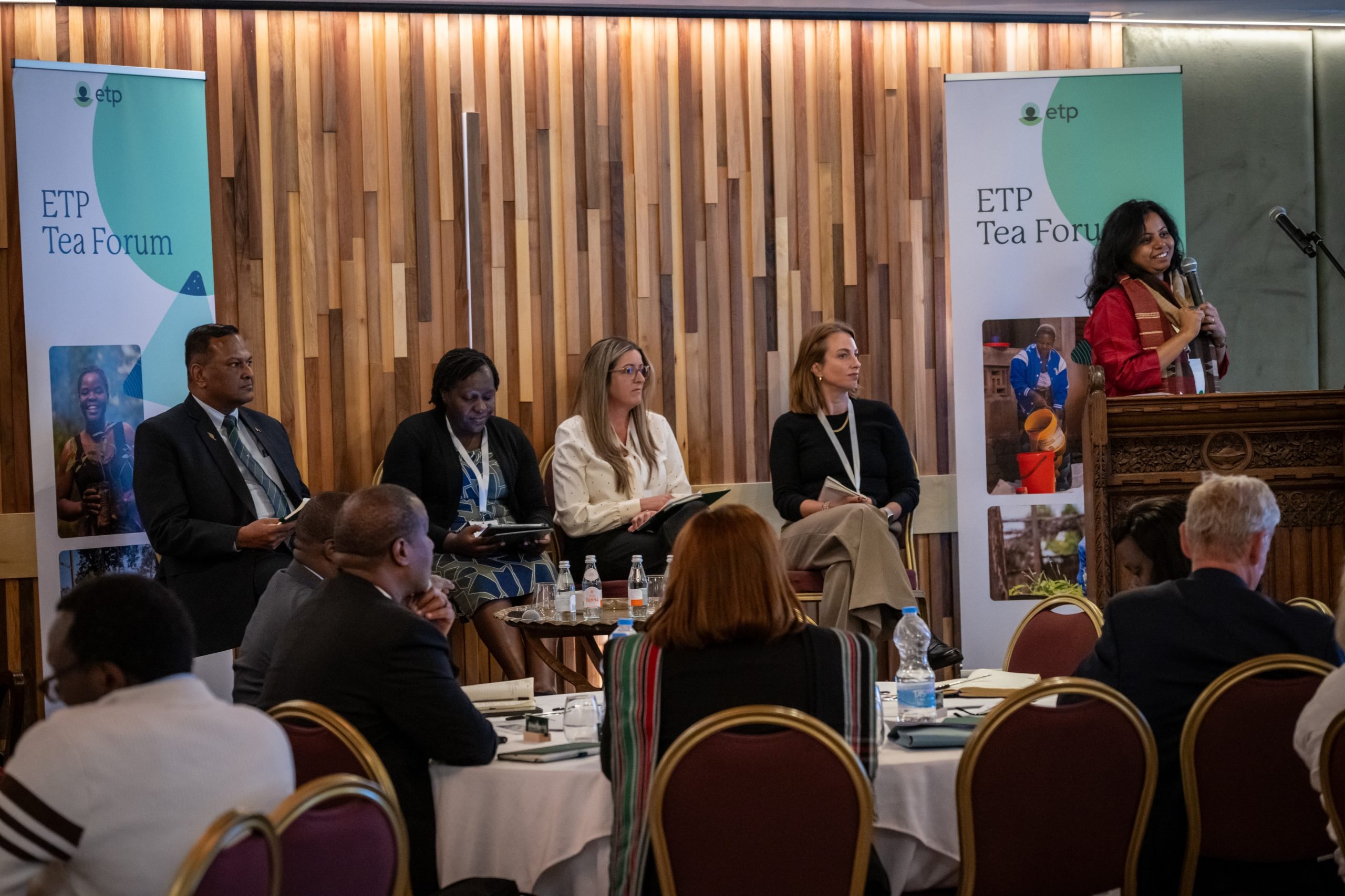
In 2024, we hosted two Forums that brought together diverse stakeholders to drive meaningful change across the industry. The first took place in Sri Lanka in July, gathering government representatives, producer companies, civil society organisations, industry experts, ETP, and buyers from ETP’s membership. The second, held in October in Kenya in partnership with the Tea Board of Kenya, saw notable representation from across the supply chain, including government. These forums galvanise collaboration, encouraging stakeholders to move beyond the status quo and address challenges both collectively and holistically.

ETP’s Sri Lanka Forum 2024

ETP’s Kenya Forum 2024

“In a sector where adaptation has often been slow, change remains the only certainty. Directing that change requires aligned principles and shared efforts, and Forums like these provide the opportunity for us all to pause, reflect, and map the steps forwards. ”

This involves addressing challenging areas where previous efforts haven’t manifested in the necessary change – most notably the unacceptable persistence of sexual exploitation, abuse, and harassment (SEAH) cases, despite widespread awareness of their perpetration. Asking one company to stick their neck above the parapet and change systems and processes is not enough, it requires bravery from the whole industry to move decisively away from their occurrence.

Taking a moment to look ahead to 2025, we will be sharing research into private sector learnings on addressing SEAH in tea. By exploring producer companies’ experiences in addressing these issues in the workplace and identifying unintended contributing factors, the report will detail actionable insights for producers, packers, and retailers so that our collaboration prevents future incidents.

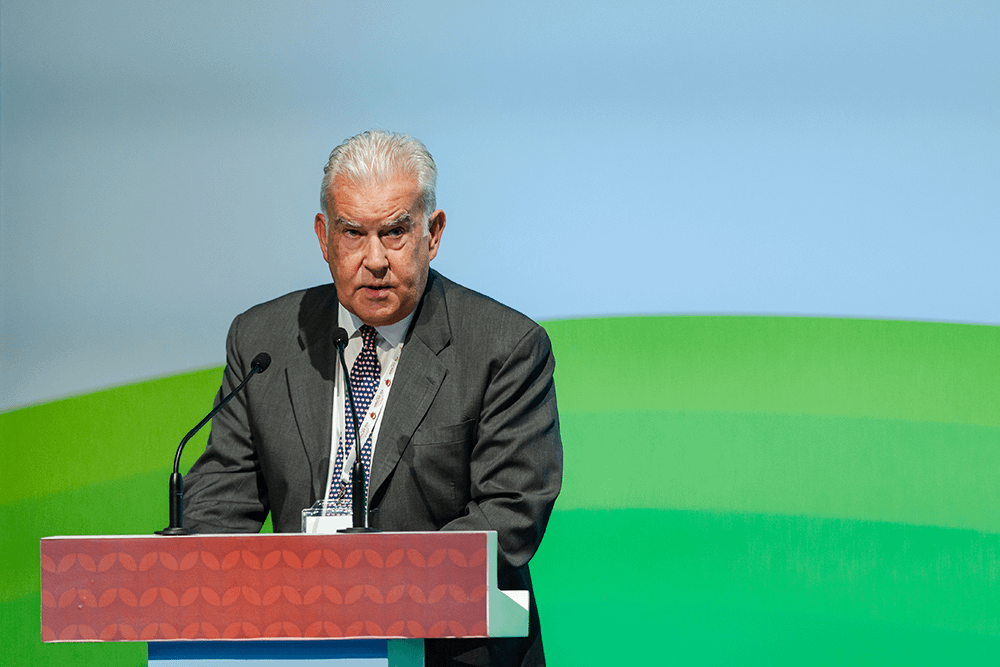
Taking responsibility as an industry rather than scapegoating the cases which gain media attention is not easy, yet critical. It’s clear that we all need to own the supply chain and the distribution of value, a message our new Interim Executive Director Martin Short has been keen to emphasise. Since joining ETP in July, Martin has been advocating for the power of partnerships and collaboration between private and public sectors to tackle the persistent challenges we face in tea.

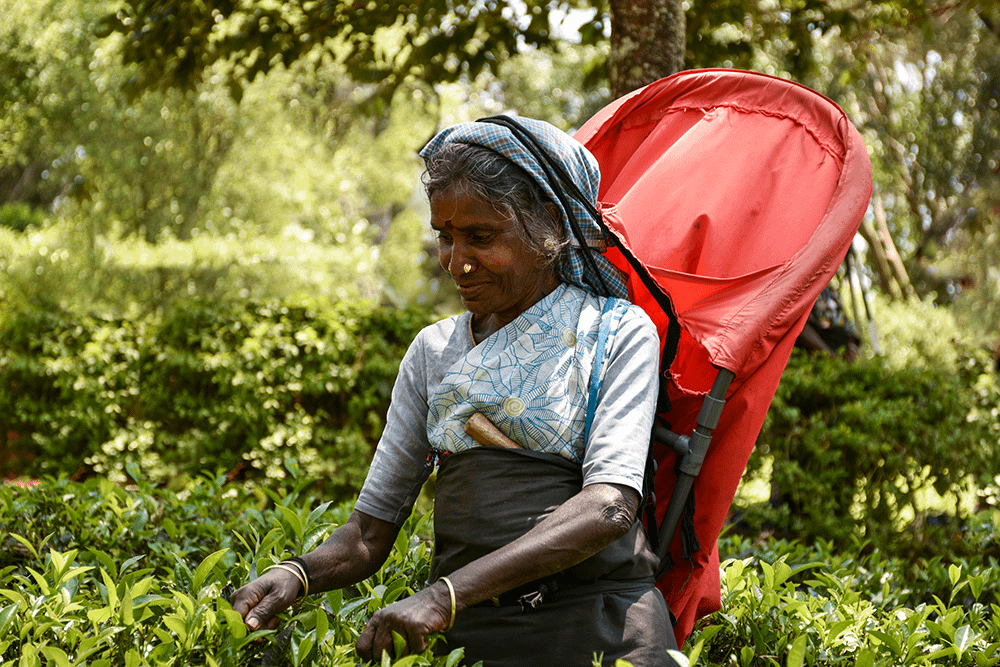
In September, wages were raised for Sri Lankan tea workers in a step towards achieving a living wage. We welcomed the significance of this move not just for its progress on a hugely complicated issue, but for the leap it took in taking collaborative, positive action, and its acknowledgement of the immediate need for change.

Tea picker in Sri Lanka

So, 2025. A new year can feel daunting, especially when you’re setting ever higher ambitions for what your work should achieve and who you want to work with. But it’s also an opportunity, offering renewed vigour and fresh ways of approaching ideas and tackling existing challenges.

2025 will be an exciting time for ETP, as we look to grow our membership in number and diversity across the supply chain. We’re excited to strengthen our in-country programs, working closely with participants to ensure their voices shape the direction of progress. And we’re excited to support our members enhance their responsible business practices, not least through our new membership criteria and accompanying guidance.

Most of all, we’re excited to continue our collaborative approach, evolving, and strengthening our partnerships, and creating new relationships to drive systemic change.

“If 2024 was the year to recognise the value and immeasurable power of cross-sector collaboration, then 2025 is the year to see how far we can advance, together.”