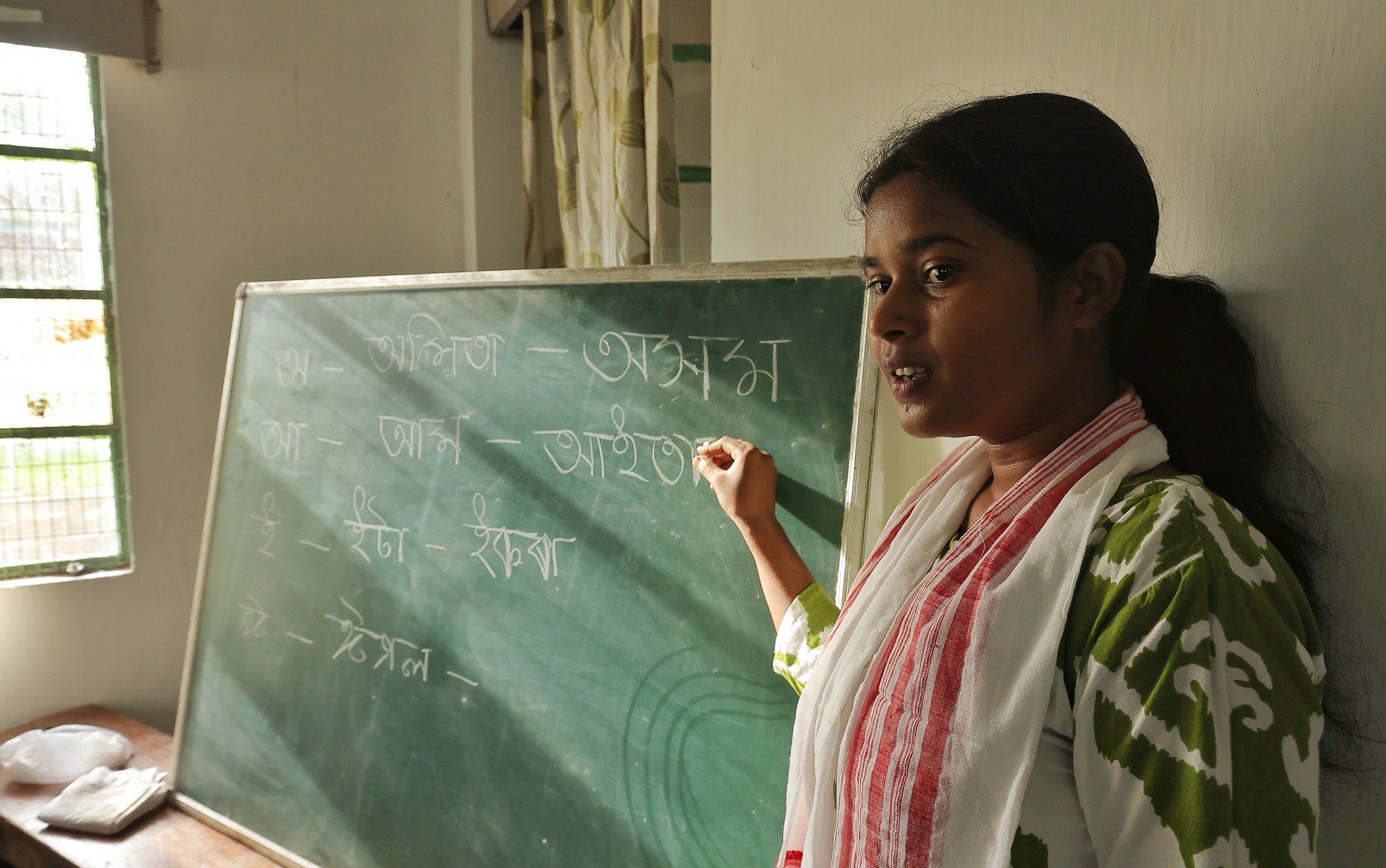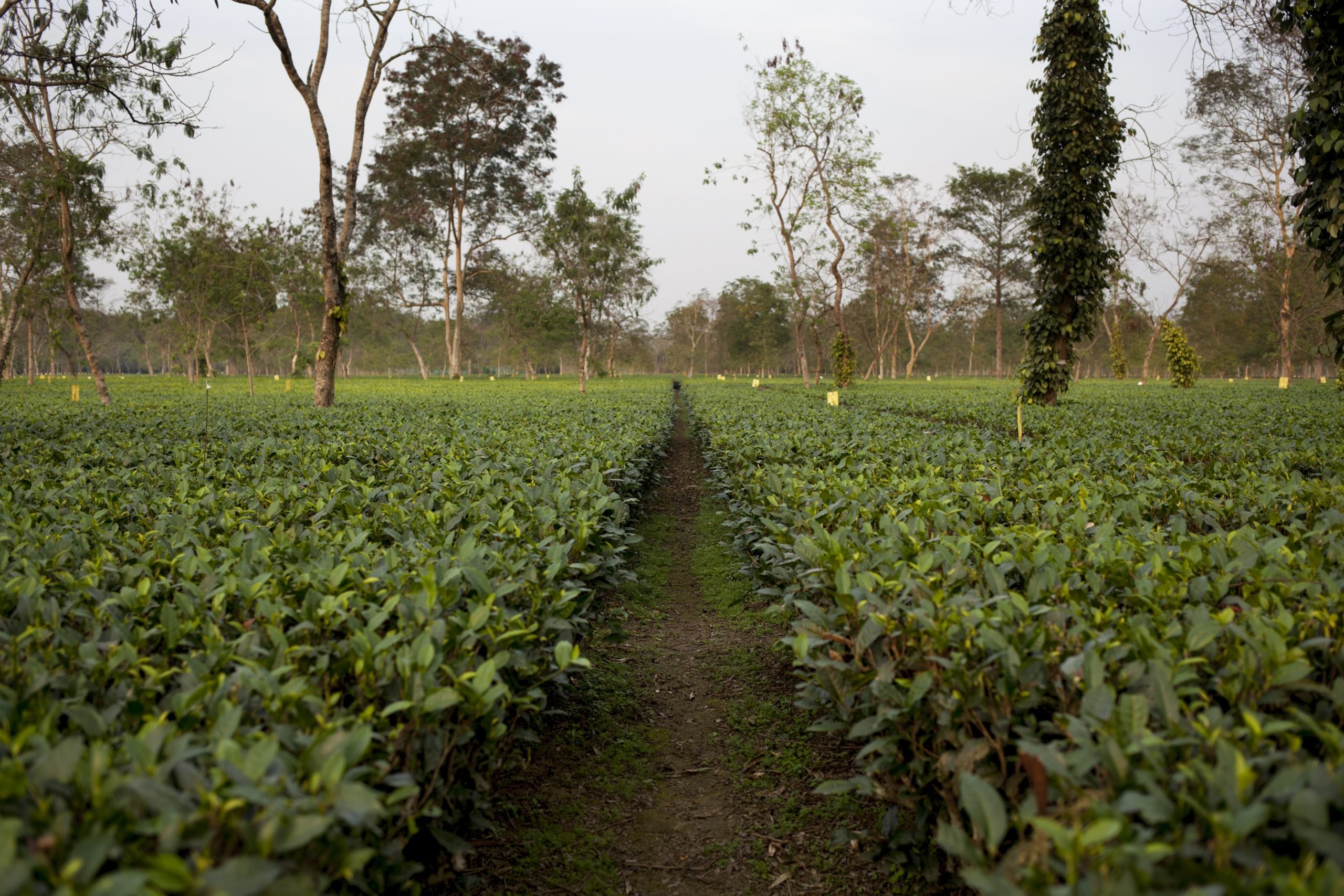
Women are the backbone of the tea industry. We say this often, and rightly so. They pluck the leaves that become our morning cup, sustain tea-growing communities and carry enormous responsibilities within their families. Yet, when we look at who makes decisions, who manages estates, who represents workers and who occupies positions of influence, women remain conspicuously underrepresented.
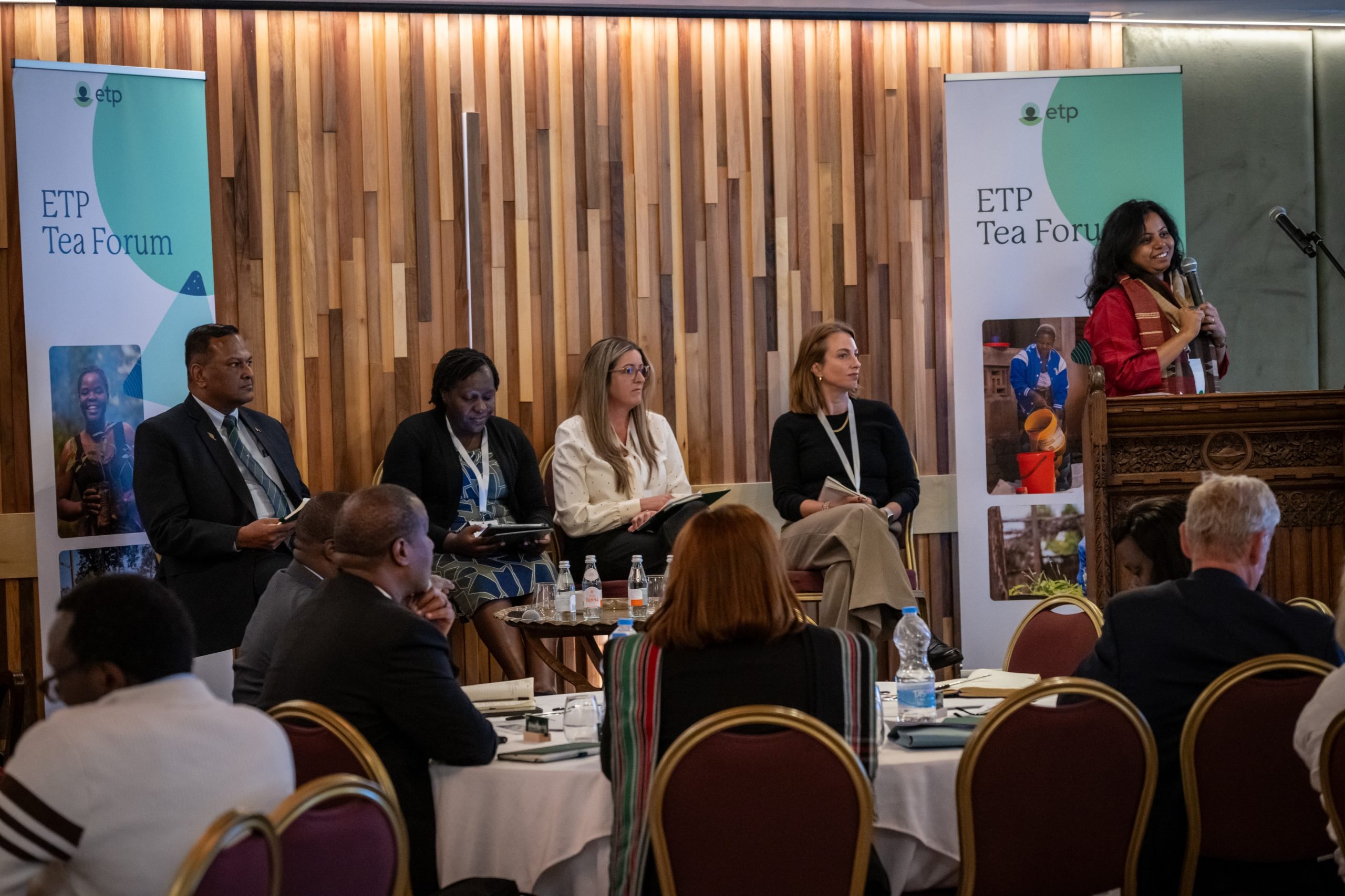
This contradiction was at the heart of a session I had the privilege of moderating at the recent ETP’s Tea Forum on 6 October 2026: “From Tea Harvesters to Leaders: Breaking Barriers to Women’s Leadership Across the Tea Sector.”
I wanted the conversation to go beyond acknowledging women’s contribution to tea. I wanted us to confront a harder question: if women are indispensable to this industry, why are they still so far from the tables where its future is decided?
When the backbone is under pressure
We opened with a Menti exercise that invited participants to confront some uncomfortable numbers. Nearly 58% of India’s organised tea-sector workforce are women. Yet, a 2023 industry discussion reported that only one tea estate in Assam had a woman manager, against a national denominator of approximately 1,600 tea estates. Our poll also revealed that just eight of ETP’s 39 member organisations had female CEOs.
These figures are not directly comparable, and the India statistic reflects the position reported in 2023. But together, they prompted an important reflection: women’s presence in the workforce does not automatically translate into women’s presence in leadership.
Women in tea are often concentrated in plucking and other lower-paid or precarious roles. They face unequal care responsibilities, limited access to opportunities, gender-based violence and barriers to having their voices heard. These are not isolated disadvantages. They reinforce one another, restricting women’s ability to progress, exercise agency and influence the decisions that affect their lives.
The backbone of the industry is carrying an extraordinary burden but is rarely given the authority to shape the system it sustains.
And this is not simply a problem at the plantation gate. The underrepresentation of women in leadership is reflected across the wider business world. Alongside efforts to support women workers, there is an opportunity for tea businesses to strengthen women’s representation in leadership and decision-making roles.
Bringing the whole supply chain into one conversation
One of the most rewarding aspects of moderating this session was bringing together voices from across the tea supply chain.
Our panellists were Esther Muhia, Founder of CIFCAD (Community Initiative for Change and Development), representing civil society and women in tea-growing communities, Roshan Rajadurai, Managing Director of Hayleys Group, bringing the producer perspective, Donna Machen, People Director at Finlay Beverages, representing the buyer side, and Hendrike Braun-Issa, Advisor to GIZ’s global AgriChains programme, bringing an international development and funding perspective.
I wanted each panellist to speak candidly from their own experience, while listening to the others. Too often, conversations about gender equality take place in separate rooms. Civil society discusses women’s lived realities; producers grapple with operational constraints; buyers focus on responsible sourcing; and development partners support interventions. Each perspective is valuable, but none is sufficient on its own.
Esther reminded us that women are not a homogenous group. Migrant women, women with disabilities and women facing different forms of social exclusion experience distinct barriers. Even access to information about meetings, the ability to attend them and the confidence that one’s voice will be heard can determine who participates in decision-making.
Roshan spoke about the historical and social circumstances of plantation communities in Sri Lanka, and the importance of creating opportunities for women to progress. Donna reflected on her own career and the difference it makes when someone recognises a woman’s potential and encourages her to take the next step. Hendrike drew connections across agricultural supply chains, highlighting how unequal access to land, finance, mentoring and time can hold women back.
Different experiences, but a strikingly common message emerged: the problem is not that women lack potential. It is that the structures around them too often fail to recognise, support and enable that potential. This became particularly clear during the Q&A, when a senior male audience member challenged the panel to consider who was actually responsible for women’s underrepresentation. Hendrike reinforced that this cannot be reduced to women’s individual choices or capabilities; we must examine the institutional norms, power relations and policies that shape their opportunities. The question, therefore, is not simply how women can change, but how organisations and the wider industry can change.
That is why integrated conversations matter. A producer needs to understand the realities women face on the ground. A buyer needs to understand how its sourcing relationships can support change. A funder needs to understand what sustainable investment requires. And civil society must be able to bring women’s voices and lived experiences into the decisions that shape interventions.
We cannot design meaningful solutions for women without listening to women themselves.
From programmes to a commitment to change
The discussion also made clear that training and empowerment programmes, while important, cannot carry the responsibility for change alone.
Women may gain confidence and leadership skills, but what happens when they return to workplaces where opportunities remain unequal? What happens when meetings are scheduled without considering care responsibilities, when women are excluded from formal representation, or when workplace cultures do not allow them to thrive?
Esther spoke powerfully about co-designing interventions with women, including listening to them about when and how training should take place. Donna shared practical approaches at Finlay Beverages, from leadership development and manager training to addressing workplace barriers. Roshan highlighted efforts to create pathways for women into roles traditionally occupied by men.
These examples demonstrate that change is possible when organisations are willing to examine their own practices and invest in creating enabling environments.
But we must be honest about the scale of ambition required. We need more than pilots, more than short-term projects and more than training women to navigate systems that continue to exclude them. We need a sustained commitment to invest in women’s leadership.
That means measuring women’s representation at different levels, creating transparent pathways to progression, addressing structural barriers, strengthening workplace protections and holding ourselves accountable for progress. It means buyers working collaboratively with suppliers to encourage and support progress on women’s leadership, integrating it into wider business relationships and practices. And it means recognising that women’s leadership is integral to responsible business and meaningful human rights due diligence.
Most importantly, it means not only supporting women to develop their leadership skills and capabilities, but also ensuring that organisations create the conditions and opportunities for them to progress into leadership roles.
Whose voices shape the future of tea?
As I reflected on the session afterwards, one thought stayed with me. We cannot talk about improving women’s lives in tea without talking about power: who holds it, who exercises it and who is still denied a meaningful share of it.
Women need safe spaces in which they can speak, organise and build confidence. But they also need representation in workers’ organisations, supervisory roles, estate management and corporate leadership. Their voices must influence decisions about wages, working conditions, health, safety and the future of their communities.
As ETP continues working with partners across tea-growing regions, this is a conversation we must keep alive – not as an occasional event, but as a commitment reflected in our programmes, partnerships and business relationships.
The final Menti question shifted the conversation from identifying barriers to considering what organisations themselves could do differently. The responses reflected an important understanding: investing in women’s leadership cannot be reduced to training women alone. It requires organisations to examine the systems that hold women back, create meaningful pathways through mentoring and sponsorship, set clear expectations for representation, and hold themselves accountable for progress. The strong emphasis on both leadership development and wider organisational action reinforced a central message of the session: individual empowerment and structural change must go hand in hand. The real test will be whether organisations translate these reflections into concrete, sustained commitments over the next 12 months.
I left the session encouraged by the honesty in the room and by the examples of change already taking place. The focus now needs to be on building on this momentum and translating these insights into practical action.
Women have always helped sustain the tea industry. There is now an opportunity to build on this contribution by investing more in women’s leadership and progression.
This means addressing the barriers that continue to limit women’s opportunities, creating clearer pathways into leadership roles and ensuring their perspectives and experience help shape the future of tea.
Find out more