Sexual exploitation, abuse, and harassment (SEAH) in the global tea supply chain are shameful issues that prevail and demand urgent, collaborative action. These are not distant problems beyond our responsibility, but crimes and systemic practices that require collective accountability and decisive action.
Addressing such deeply-rooted challenges demands more than short-term fixes. Lasting change calls for strong leadership, sustained investment, and a united approach across the entire supply chain. While progress is being made, we know there is more work to do — and continued support from the industry and our partners is essential to sustaining meaningful impact.
We are therefore pleased to share our latest report:
Protecting People, Transforming Tea: A Private Sector Approach for Addressing SEAH.
Commissioned by us through Claire Lynch Consulting and Partner Africa, the report draws on industry consultations and case studies with producer companies to offer actionable steps for addressing SEAH in the tea supply chain.
At the Ethical Tea Partnership (ETP), we are here to support our members and the industry in turning these recommendations into action, working together to embed effective solutions and amplify their impact.
Through active partnerships, direct programming, and support with responsible purchasing practices, we aim to address these risks directly. From embedding gender-responsive due diligence to fostering strong leadership and organisational change, we are committed to helping the industry to move forward.
Our global programmes support victim-survivors and drive systemic change across the tea supply chain. In Kenya, our Empowering Tea Communities programme secures rights for workers, while our Women in Leadership initiatives in India and Sri Lanka foster safer, more inclusive environments.
Our Ulalo ‘Bridge’ programme in Malawi empowers women with leadership skills and financial independence through community lending schemes. What started as a way to boost economic resilience has also proven powerful in addressing SEAH by fostering women’s autonomy and confidence. Poverty remains a major barrier in the tea supply chain, with inequitable profit distribution keeping workers and farmers at a disadvantage. Addressing poverty is critical to achieving long-term, systemic change.
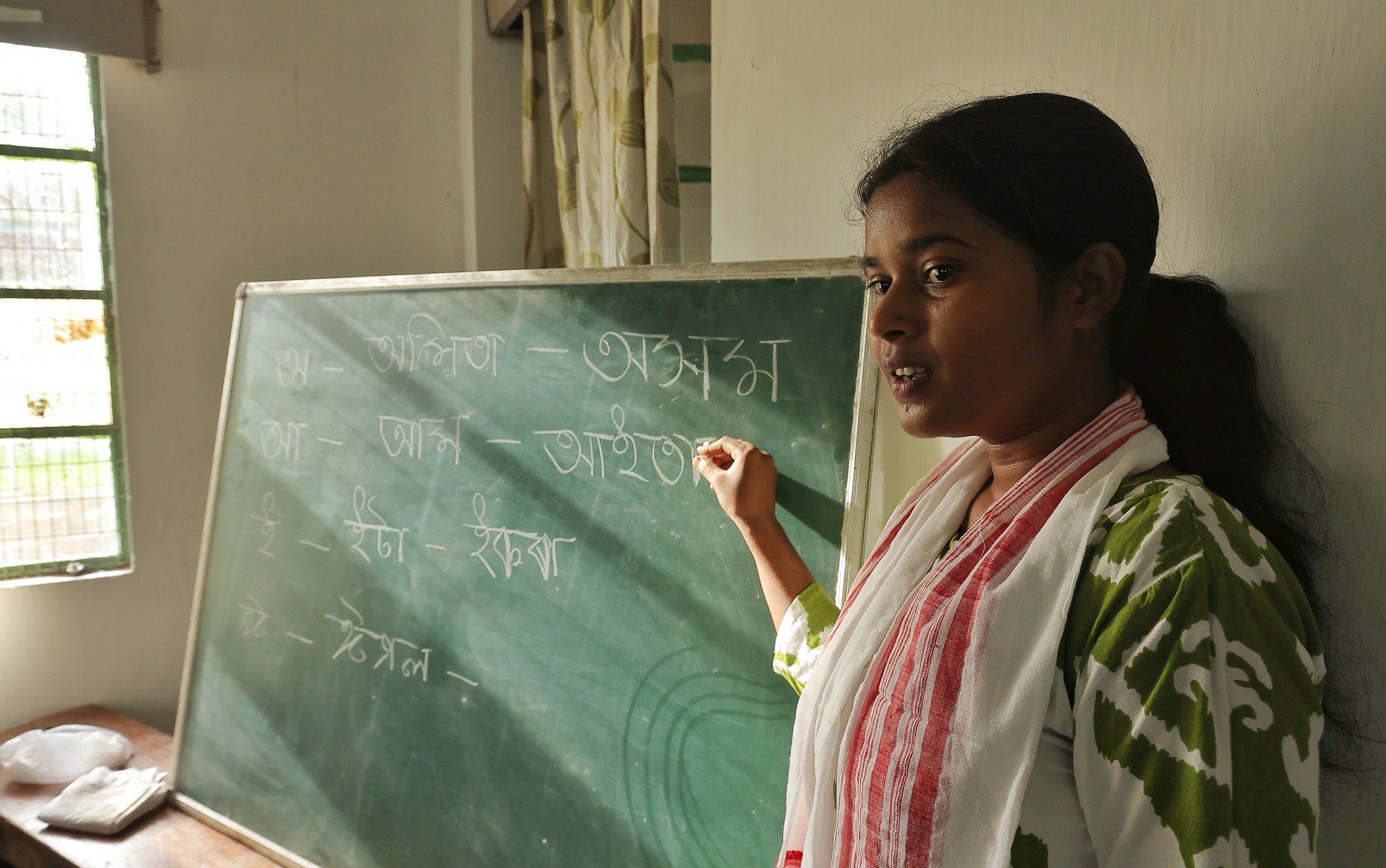
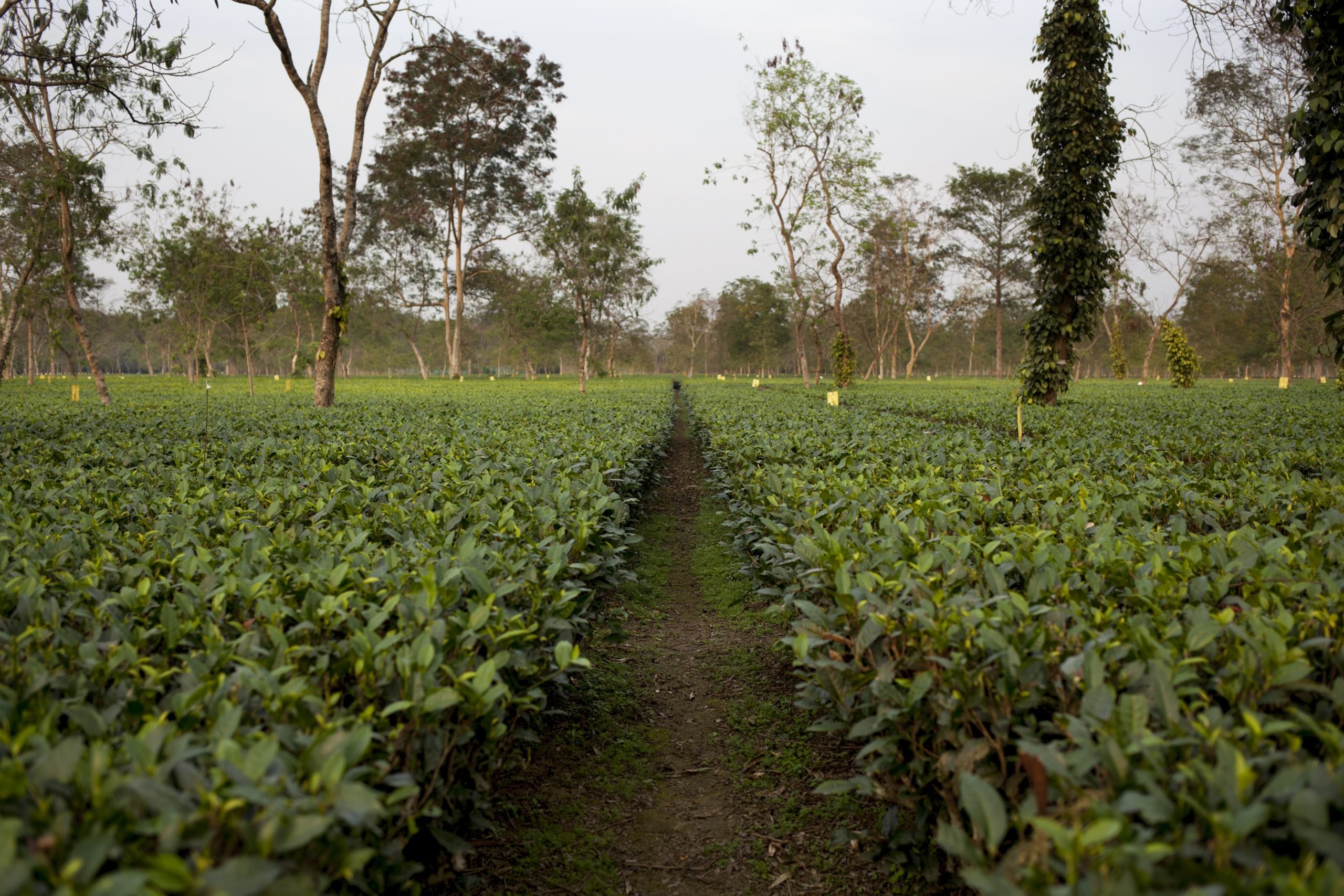
In Assam, India, our Plantation Community Empowerment Programme brings management and workers together to build more collaborative, inclusive workplaces. These are just some examples of how systemic transformation is possible, and together we can go further.
Building on previous research, our report offers a clear framework for addressing the risk of SEAH in the tea sector. We invite you to read the report, share your feedback, and join us as we continue driving change.
Reach out to our global team at info@etp-global.org to discuss how we can jointly implement the report’s next steps. Together, we can protect people, transform tea, and create a more equitable future.